When a cosmic warning sounds like paperwork
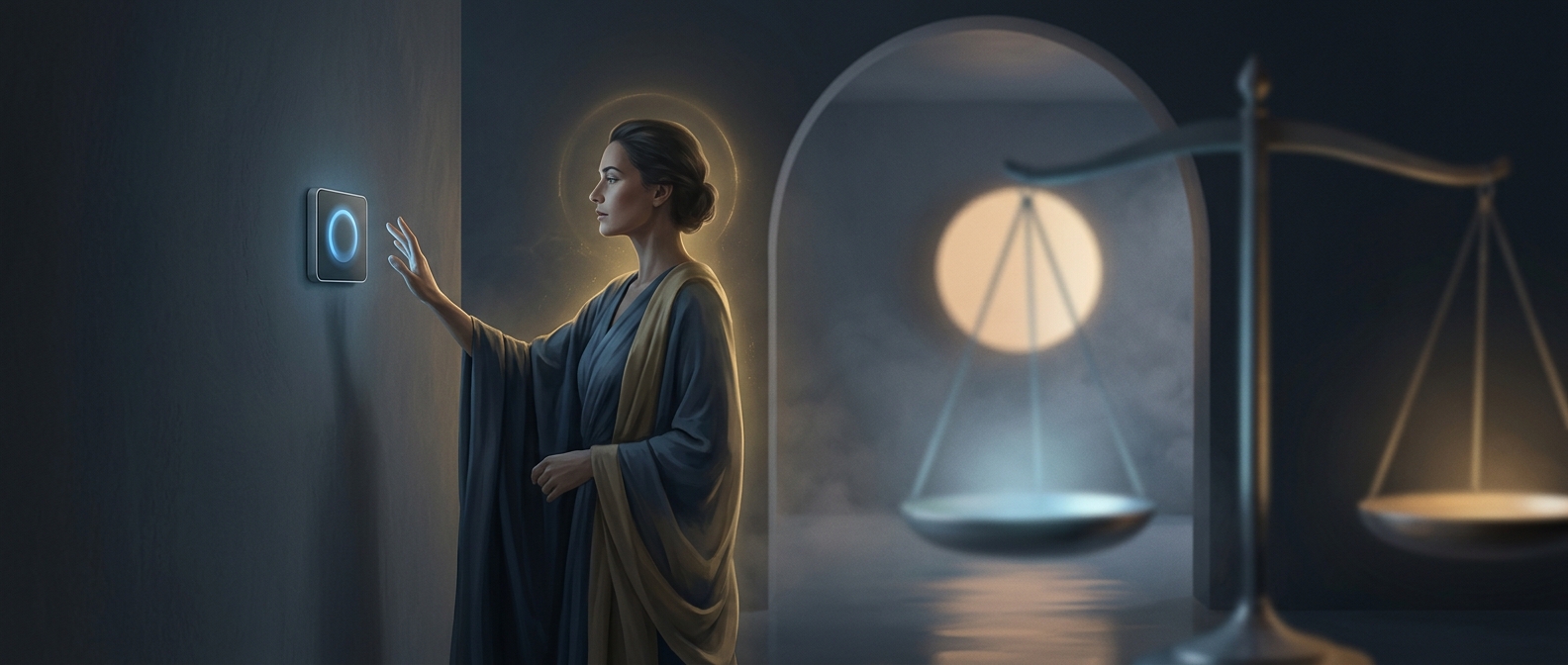
A warning about the end of the world seems to call for alarm. But in an audiobook, a narrator may deliver even the most momentous line in a steady, matter-of-fact voice—the same measured cadence used for ordinary instructions. The mismatch is what makes the moment striking: the words announce catastrophe while the voice offers no audible sign that anything unusual is happening.
The listener supplies the drama
Speech carries emotion through more than words. Prosody—the rise and fall of a voice, along with its pace, emphasis, and pauses—helps listeners judge whether a speaker is frightened, urgent, or calm. When those cues stay flat, a cosmic threat can sound less like a warning than a routine notice. The listener has to build the urgency from the language alone.
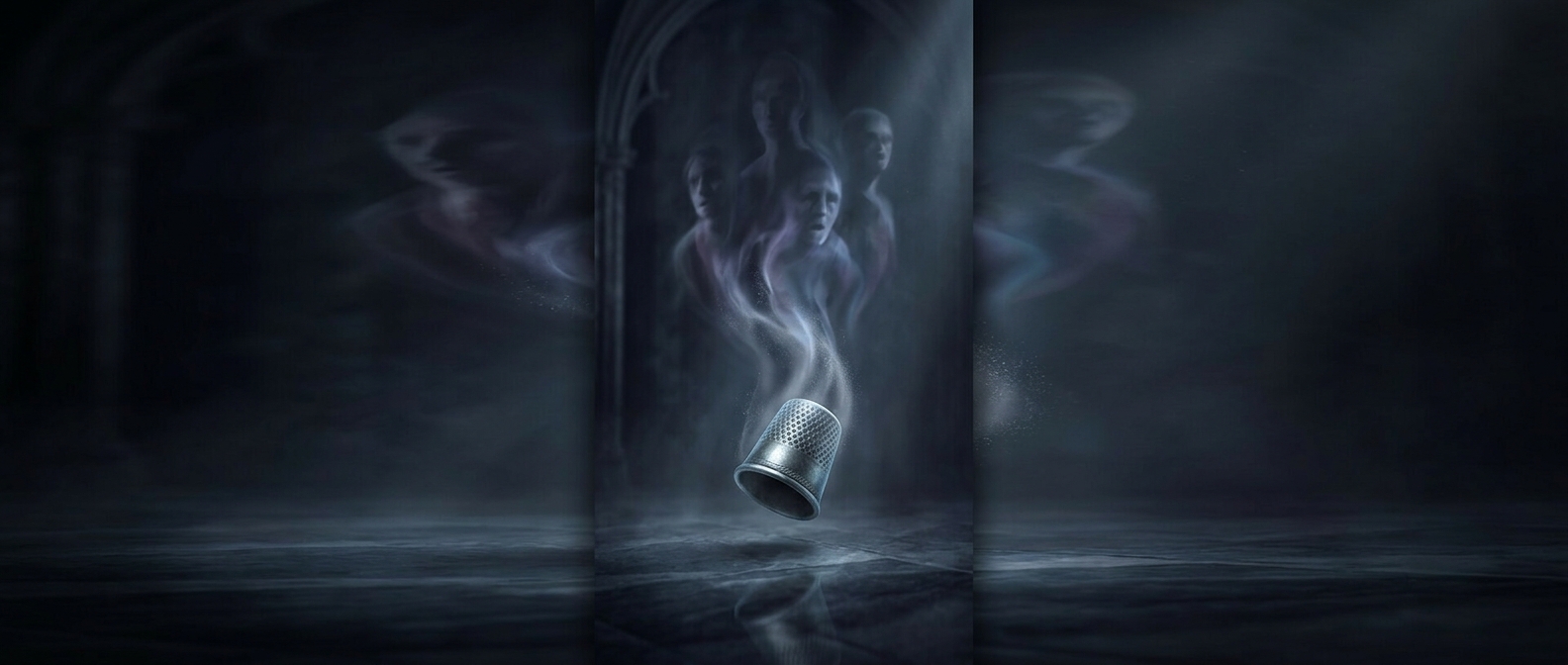
That restraint can make a mystical pronouncement feel uncanny rather than theatrical. A booming performance tells listeners how to react; a neutral one leaves the scale of the danger hanging in the air. The result is a strange contrast: the universe may be at stake, but the voice sounds as if it is simply reading the next item on a list.