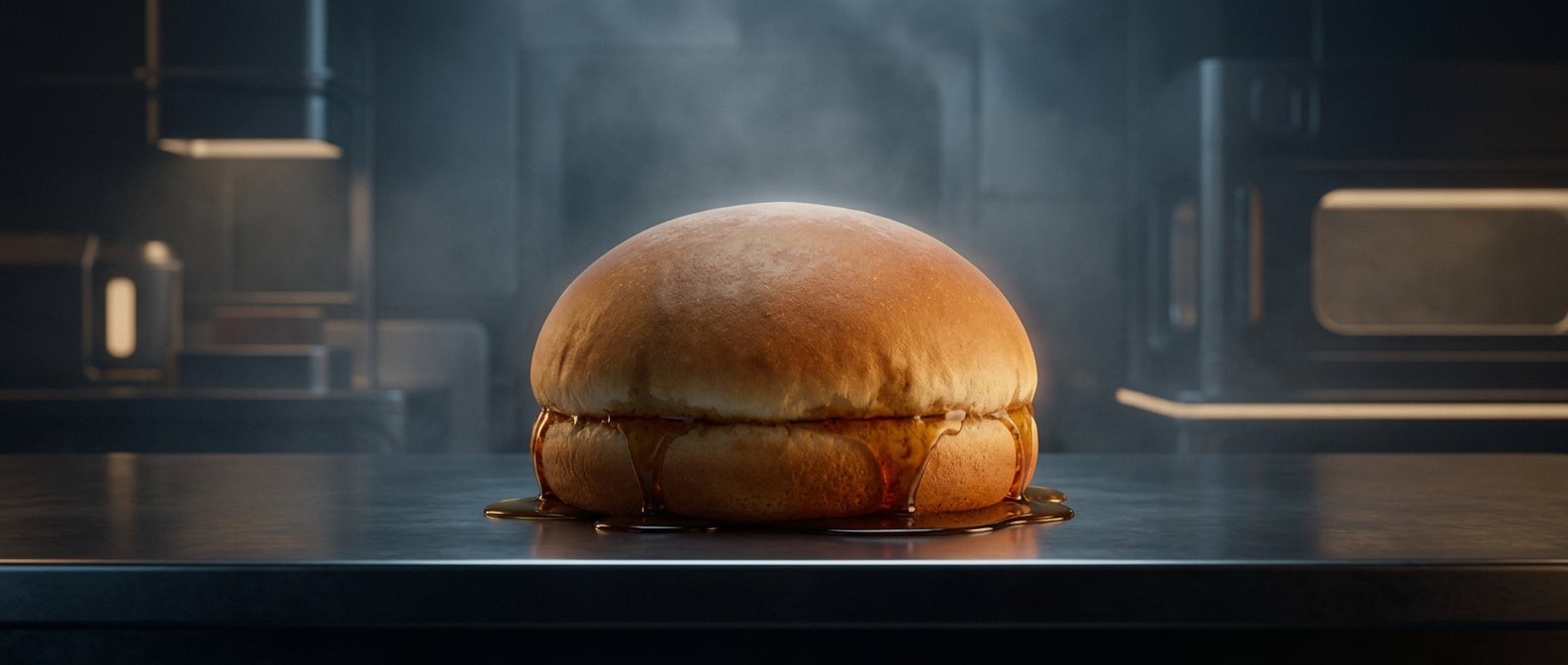
How a Burger Bun Holds on to Its Juices
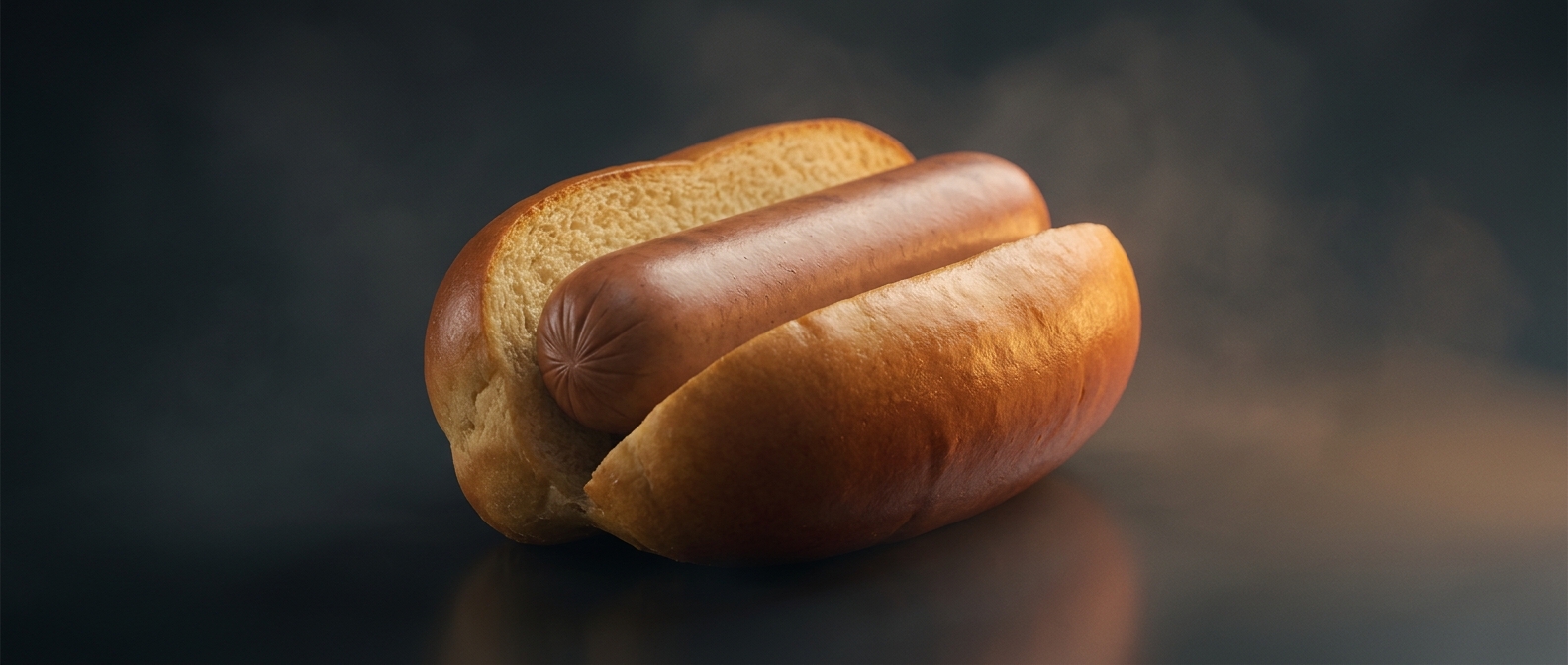
Bread may look solid, but its interior is a network of air pockets left behind as dough rises and bakes. When meat juices reach the cut surface, some spread across the crumb—the soft, porous inside of the bun—and enter those openings. The bread’s starch-and-protein structure takes up moisture, while the connected pores let it move beyond the exact spot where the liquid first landed.
The result depends on timing and texture. A soft, open crumb can take in liquid readily, but too much moisture weakens the bread and can make it collapse or tear. A denser or more thoroughly toasted surface tends to slow that entry, helping the bun stay intact longer. Neither choice is automatically better: a burger needs bread that can cushion the filling without falling apart, while still letting the meat’s juices become part of each bite.
The Bun Is Part of the Bite
Absorbing liquid changes the bread’s texture as well as its flavor. The crumb becomes softer and carries savory juices into the mouth, so the bun is not merely a handle around the meat. It also performs a small piece of kitchen engineering: capturing some of the liquid that would otherwise run down the burger, while balancing that absorbency against the need to hold everything together.