How stainless steel makes its shield
Stainless steel resists rust because it contains chromium. When chromium at the surface meets oxygen, it forms an extremely thin layer of chromium oxide. This passive film—“passive” because it keeps the metal from reacting further—blocks water and oxygen from reaching the iron beneath, where ordinary rust forms.
The film is so thin it is invisible, but it can renew itself. A small scratch exposes fresh metal; if oxygen is available, chromium in that exposed area reacts and rebuilds the protective layer. The surface does not need a coating of paint to heal in this way.
When protection falls behind
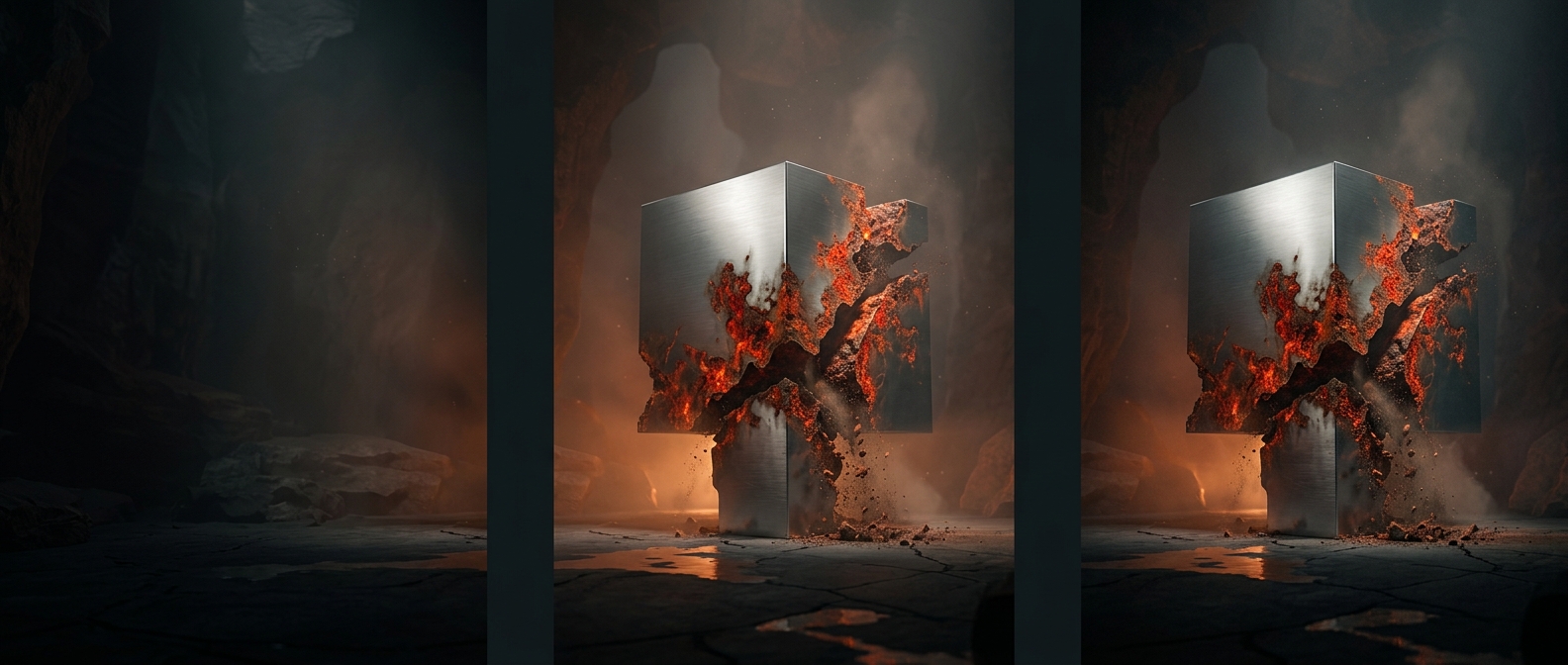
The shield is not impervious. Chloride salts, especially those in seawater and de-icing salt, can attack the film. Harsh chemicals or conditions that trap moisture against the metal can also make damage more likely. If the protective layer breaks down faster than it can reform, water and oxygen reach the iron, and rust can develop.
That is why a stainless-steel object may rust near a saltwater splash, beneath a damp deposit, or around a damaged area. The appearance of rust does not mean the material contains no chromium; it means that, at that spot and under those conditions, the surface’s defense has been overwhelmed.
“Stainless” means resistant to staining and rust, not immune to them. Cleaning off salt and grime helps preserve the film, while the right grade of stainless steel matters in especially corrosive settings.