A Novel That Missed Its First Audience
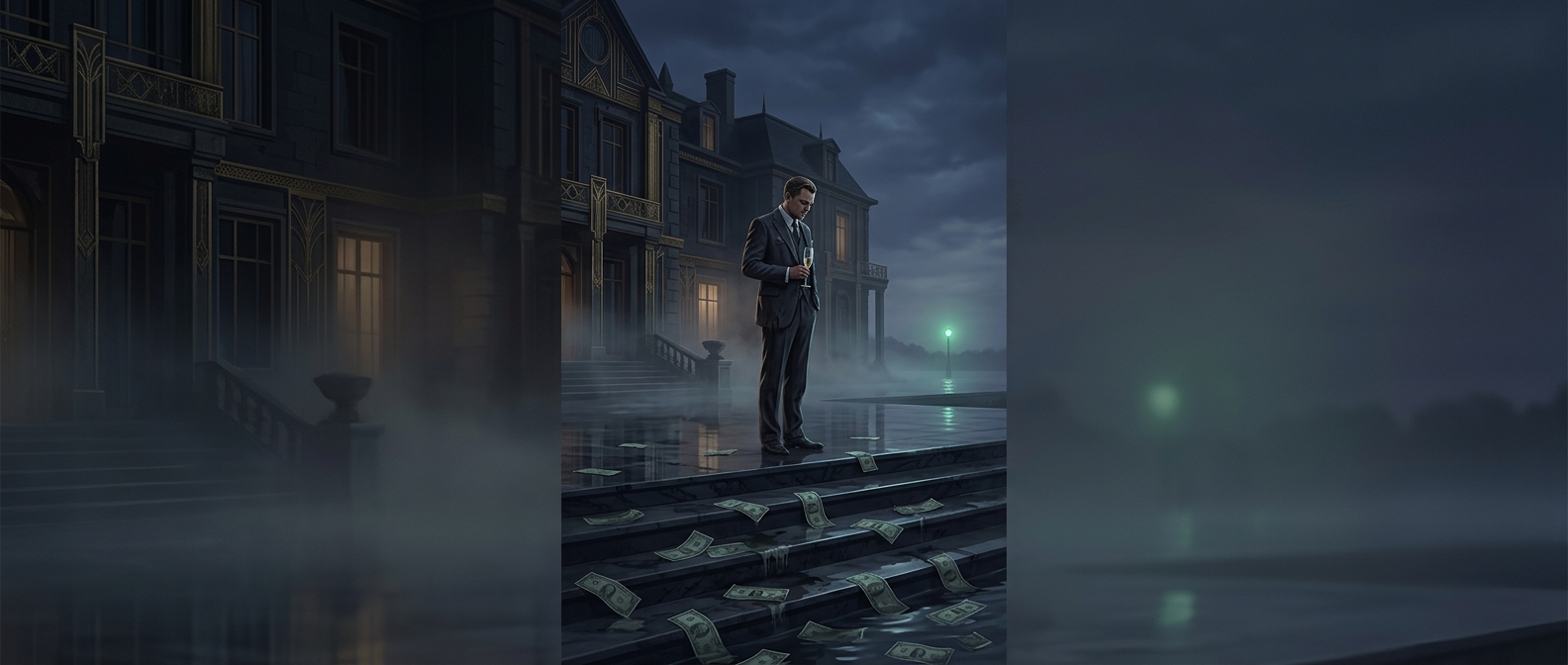
When The Great Gatsby appeared in 1925, it did not become the commercial success F. Scott Fitzgerald hoped for. The novel’s later reputation can make that first response seem surprising, but literary fame is not automatic: a book needs readers, and early sales and reviews did not create a large enough audience to sustain Fitzgerald’s expectations for it.
That gap mattered personally. Fitzgerald died in 1940 believing his career had failed, before the book’s broadest readership had arrived. Its eventual rise was not a sudden change in the story itself; it was a change in how widely the story could circulate.
A Pocket-Sized Route to New Readers
During World War II, the military distributed books to servicemembers, including The Great Gatsby. These editions brought the novel to readers who might not have encountered it in bookstores or classrooms. A copy read far from home could become a recommendation passed along; each new reader made the book easier to imagine as a shared cultural reference rather than a forgotten release.
The military distribution did not, by itself, instantly make the novel a classic. But it gave the book a much larger audience and helped create the conditions for its postwar revival. As more people knew it, the novel became a stronger candidate for continued publication and classroom reading.
How a Flop Becomes a Classic
The contrast is the lasting lesson: a book’s first commercial performance and its long-term influence are different measures. Gatsby needed decades and an unexpected distribution channel to reach the readership its author had wanted. Its afterlife began, in part, with servicemembers opening a portable edition during wartime—an audience Fitzgerald did not live to see.