How One Piece built a half-billion-copy audience
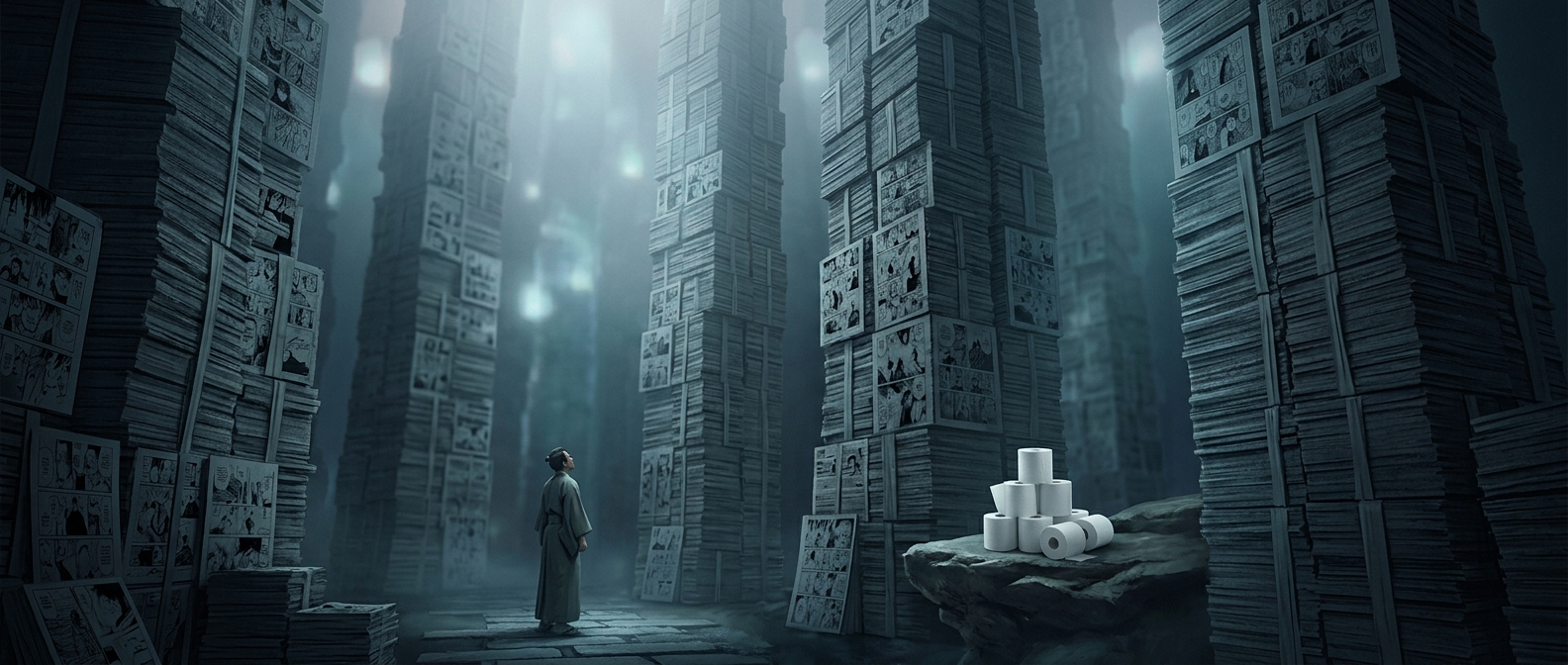
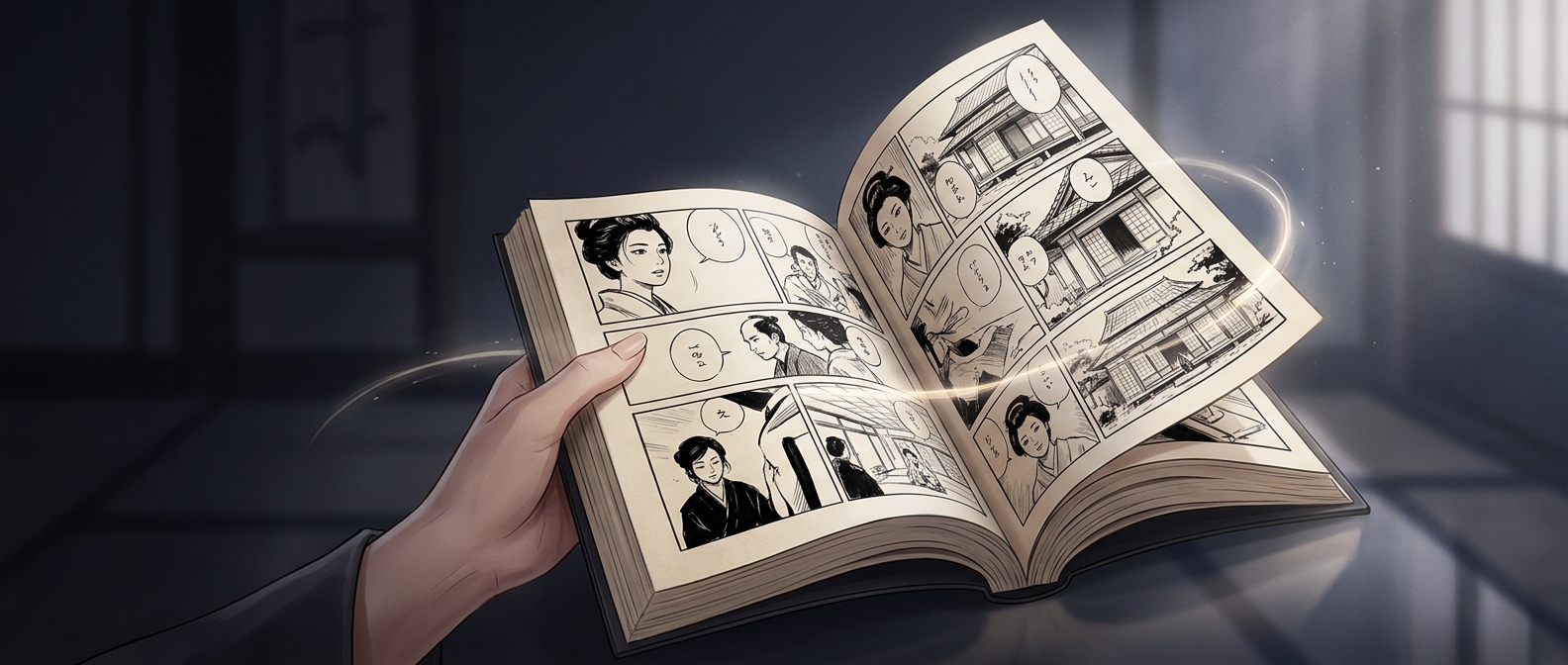
A major reason One Piece could reach such a vast readership is its steady publishing rhythm. Eiichiro Oda’s story began in Japan in 1997 as a serialized manga: readers followed it chapter by chapter in a weekly magazine, then could buy those chapters again in collected books called volumes. Each new volume gave longtime fans another installment—and gave new readers a clear place to begin.
That structure turns a continuing story into a growing shelf of books. A reader who catches up may own dozens of volumes, while new readers can discover the series years after its first chapters appeared. The reported total reflects copies across the series, not half a billion individual readers.
One story, many markets
The manga’s journey beyond Japan widened that audience. Translations made the collected volumes available to readers in many countries, while the story’s long-running cast and ongoing adventure gave people a reason to keep following it. Each volume could serve both as the next chapter for an established fan and as part of a backlist—earlier books still available for someone starting from the beginning.
That makes the sales comparison with Batman striking, but not a perfectly uniform contest. One Piece is a single long-running manga series whose volumes can be counted together; Batman is a character appearing across many comics, formats, and publishing runs. The milestone shows how one serialized story, sustained across generations of readers and translated markets, can accumulate sales on the scale of a global comic-book icon.