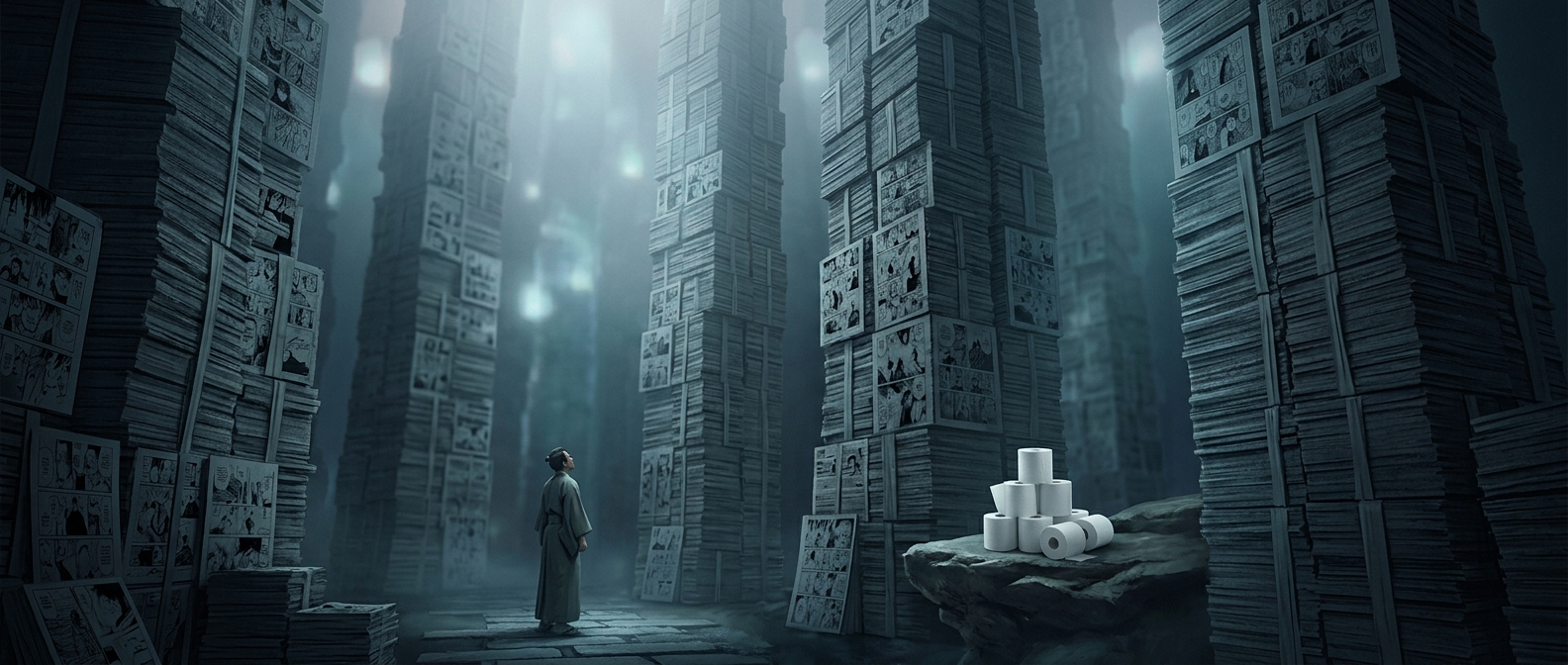
Why Weekly Manga Magazines Used So Much Paper
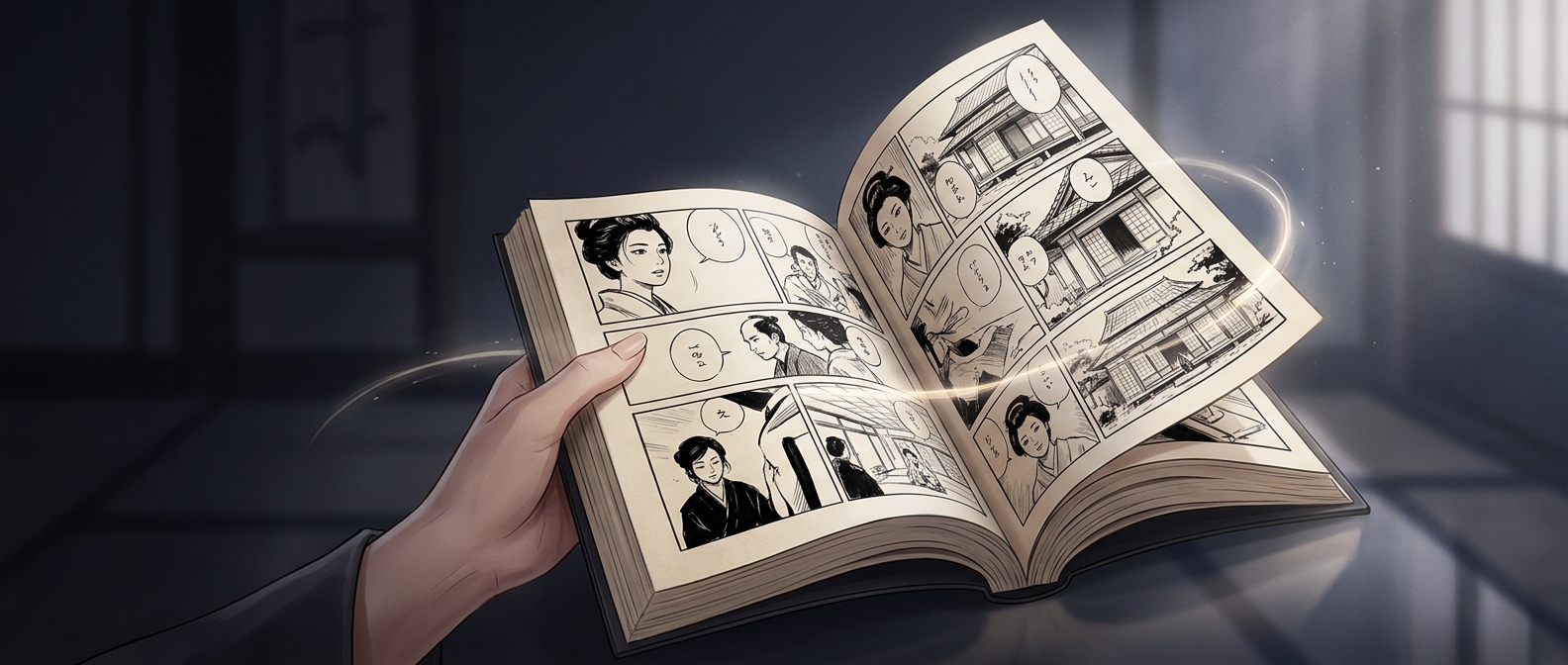
The key was the format: a weekly anthology bundled chapters from many manga series into one thick issue. Instead of buying a separate book for each story, readers could follow several at once in a single magazine. Publishers printed these issues on a huge, regular schedule, so the paper demand accumulated week after week.
A Magazine Built to Be Temporary
These anthologies were designed as affordable reading packages, not durable books. Their paper was generally inexpensive, and an issue could be discarded after reading. That made the contrast with toilet paper especially striking: a single consumer product used constantly across households was being compared with a large, recurring stream of printed magazines.
The same system also created a path from disposable pages to lasting books. Popular series could later be collected into bound volumes, giving readers a sturdier edition while the weekly magazine continued to introduce new chapters and stories.
The Cost of Serial Reading
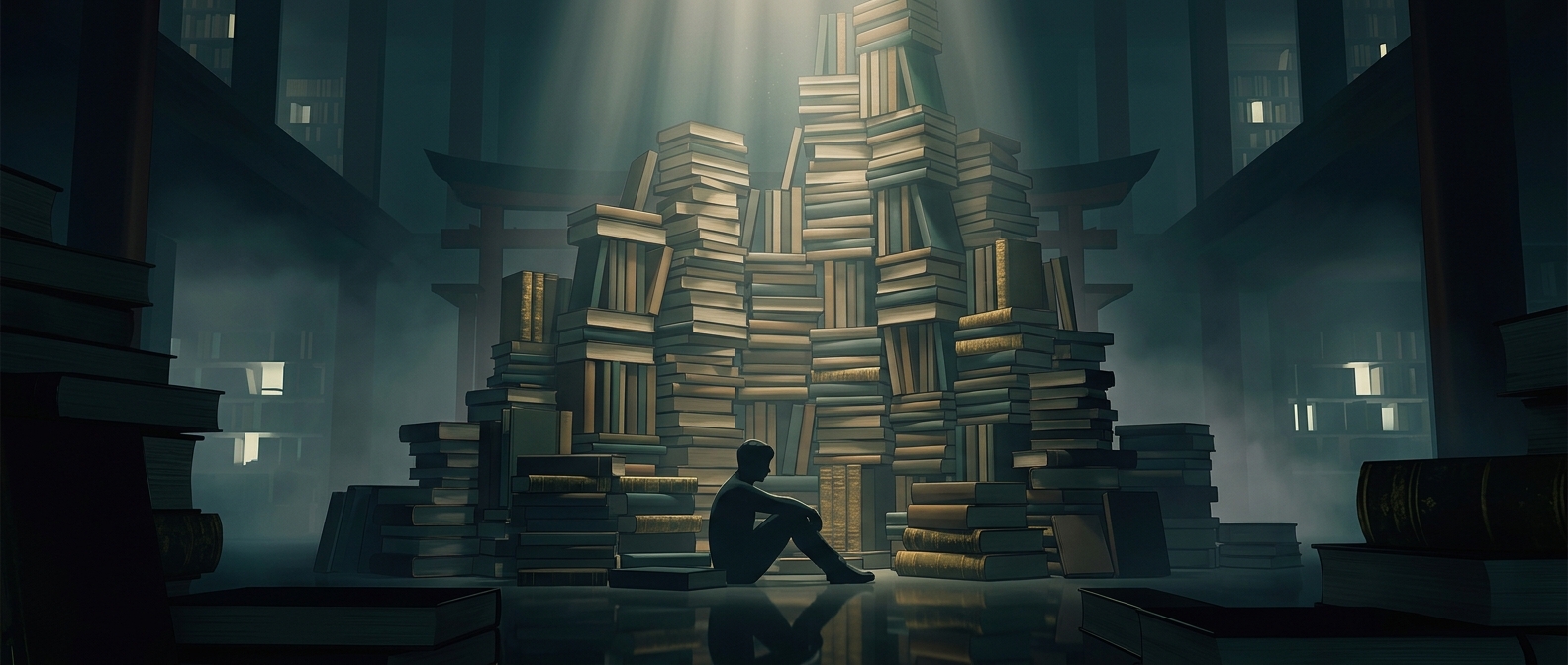
The format traded paper efficiency for convenience and variety. Readers got many installments together, while publishers could use each issue to showcase a broad lineup and keep stories appearing on a dependable rhythm. The surprising paper comparison captures the physical scale of that publishing habit: a culture of following manga serially could leave behind far more than the books that eventually made it onto a shelf.