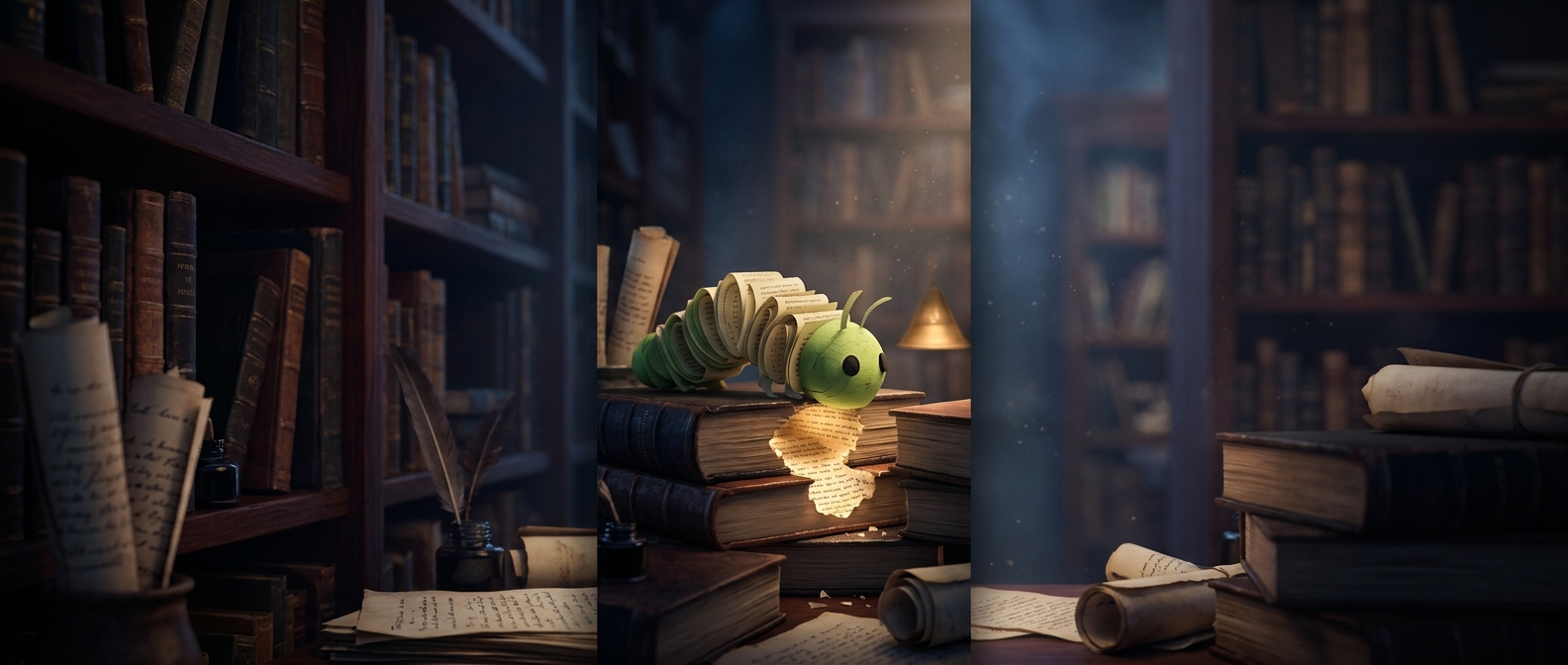
The shelf as a plan for later
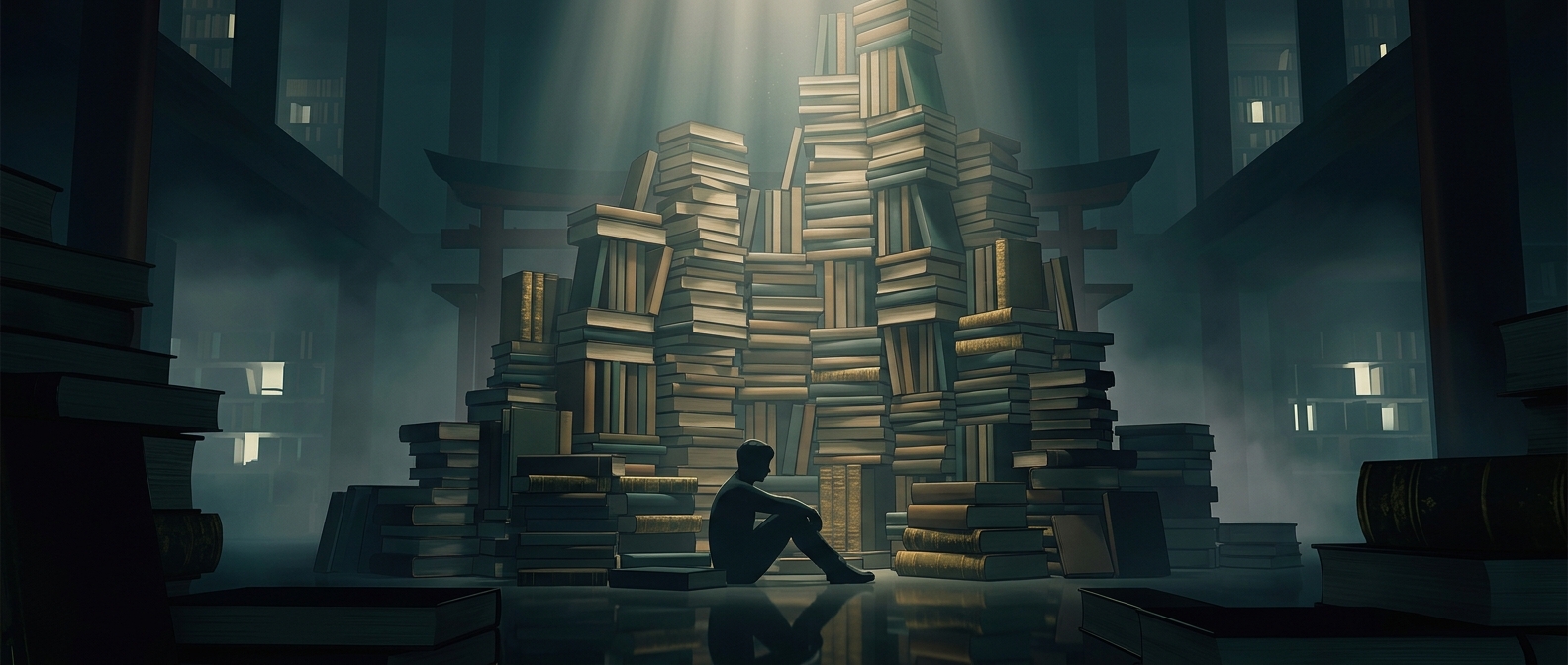
A stack of unread books can look like a collection of unfinished chores. Tsundoku gives the habit a less severe frame: it names the gap between acquiring books and getting around to reading them. The books are not necessarily abandoned; each one may represent an intention that has been postponed by work, other reading, or simply the arrival of another tempting title.
Why the pile keeps growing
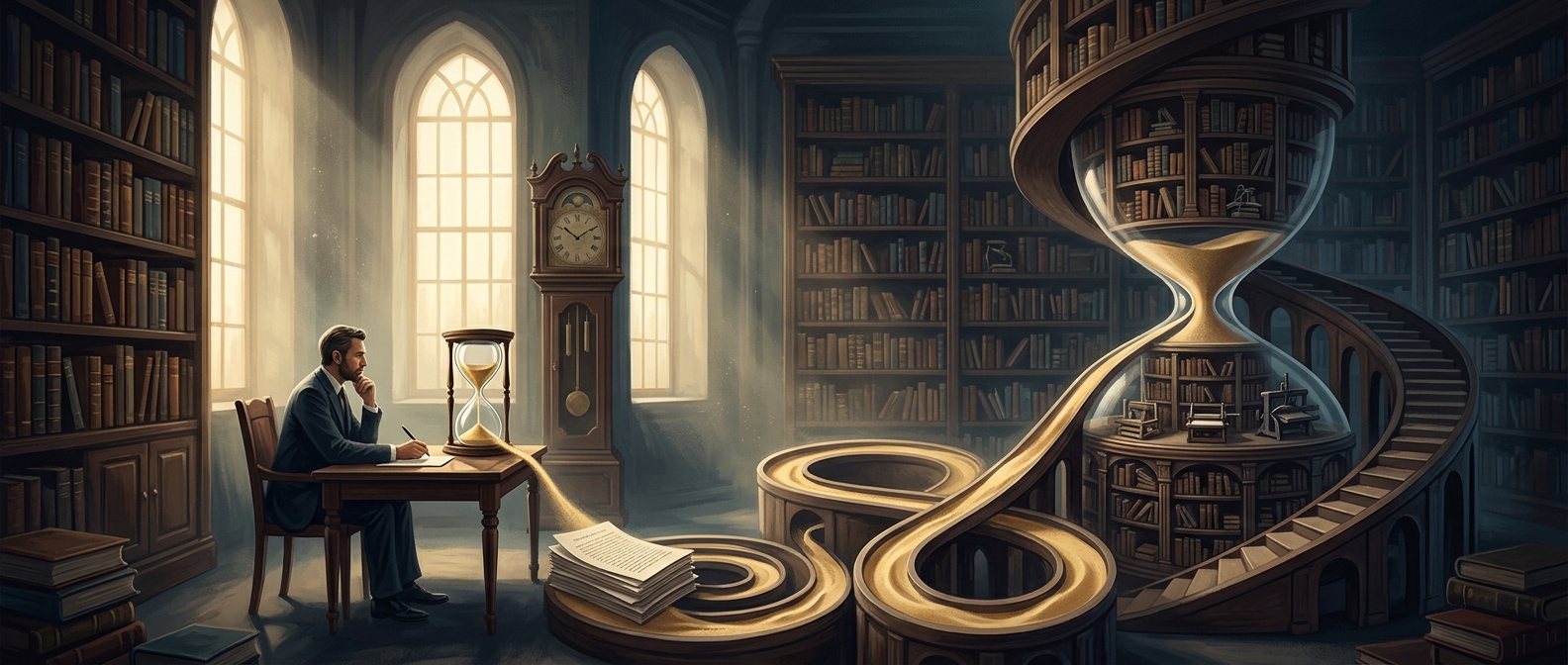
Buying and reading happen on different schedules. A person might discover a book in a shop, want to own it before it disappears from view, and imagine reading it during a quieter week. But the purchase is immediate, while the free time is uncertain. Meanwhile, new recommendations and interests keep arriving. The result is a home library that records plans faster than a person can complete them.
That does not make every unread book a promise that must be kept. Some may eventually be passed along; others can wait until curiosity catches up. The pile is both a record of past enthusiasm and a menu of possible future reading. Its most relatable feature is that the books can feel inviting and mildly accusatory at the same time—proof not of a lack of interest, but of how easily interest outruns available hours.