A novel sent in two installments
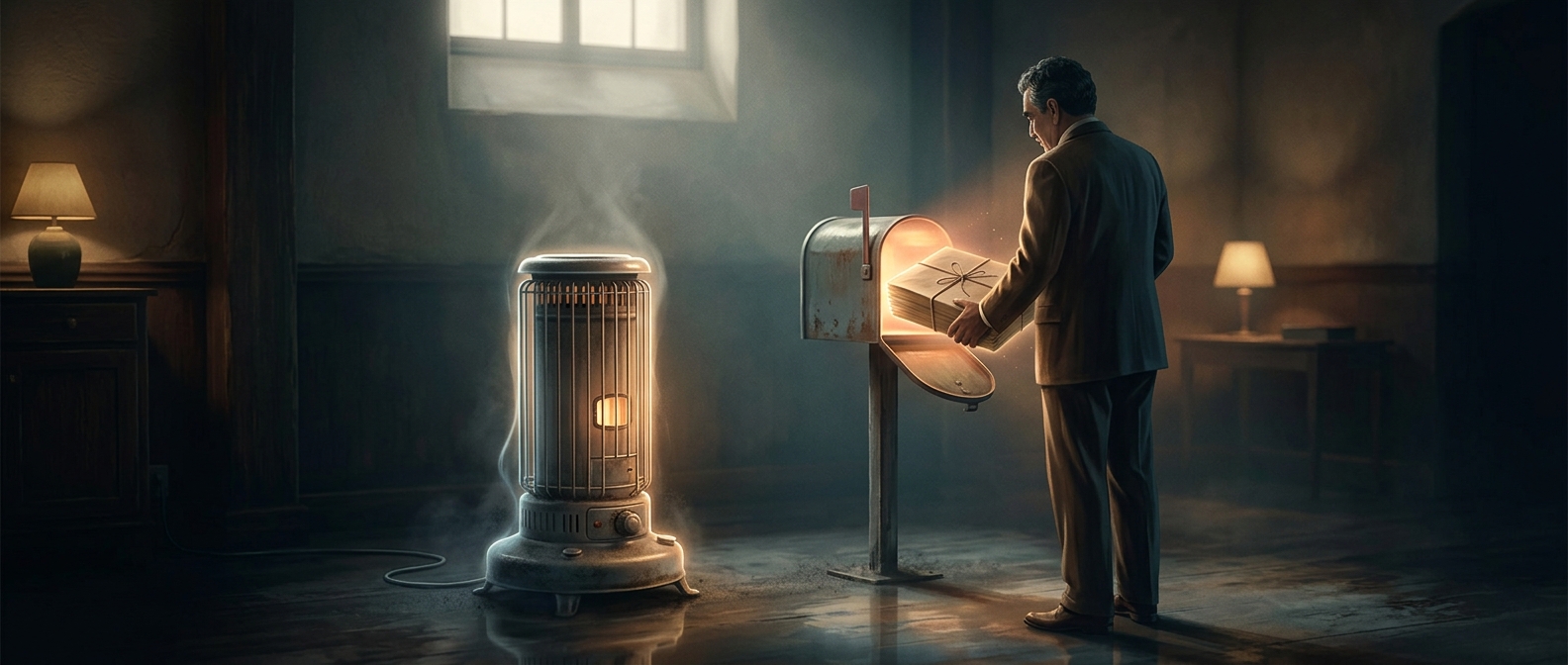
A completed manuscript is usually imagined as a single package: the writer finishes, the pages go to a publisher, and the book begins its journey toward readers. For Gabriel García Márquez, the journey of One Hundred Years of Solitude began with a practical obstacle. The novel had to reach its publisher in Argentina, but he and his wife, Mercedes Barcha, could not afford to mail the entire manuscript at once. They sent the first half, then found a way to pay postage for the rest by pawning household appliances.
That second trip mattered because the publisher needed the whole story, not a sample. The novel follows several generations of the Buendía family in the fictional town of Macondo; its family histories, recurring names, and intertwined events build meaning across the book. A publisher receiving only half could not judge how the narrative came together.
The cost behind a literary turning point
The episode makes visible a constraint that often disappears from stories about artistic success: creative work still has to pass through ordinary systems of money, transport, and access. The manuscript could be finished, but getting it to a reader with the power to publish it required cash the couple did not have. Pawning a heater and hairdryer turned possessions in their home into postage.
The novel went on to become García Márquez’s best-known work and a landmark of modern Latin American literature. The memorable detail is not that the couple made a grand symbolic sacrifice; it is that a book destined for a vast readership nearly depended on the price of mailing its final pages.