How a postcard can shape a manga’s future
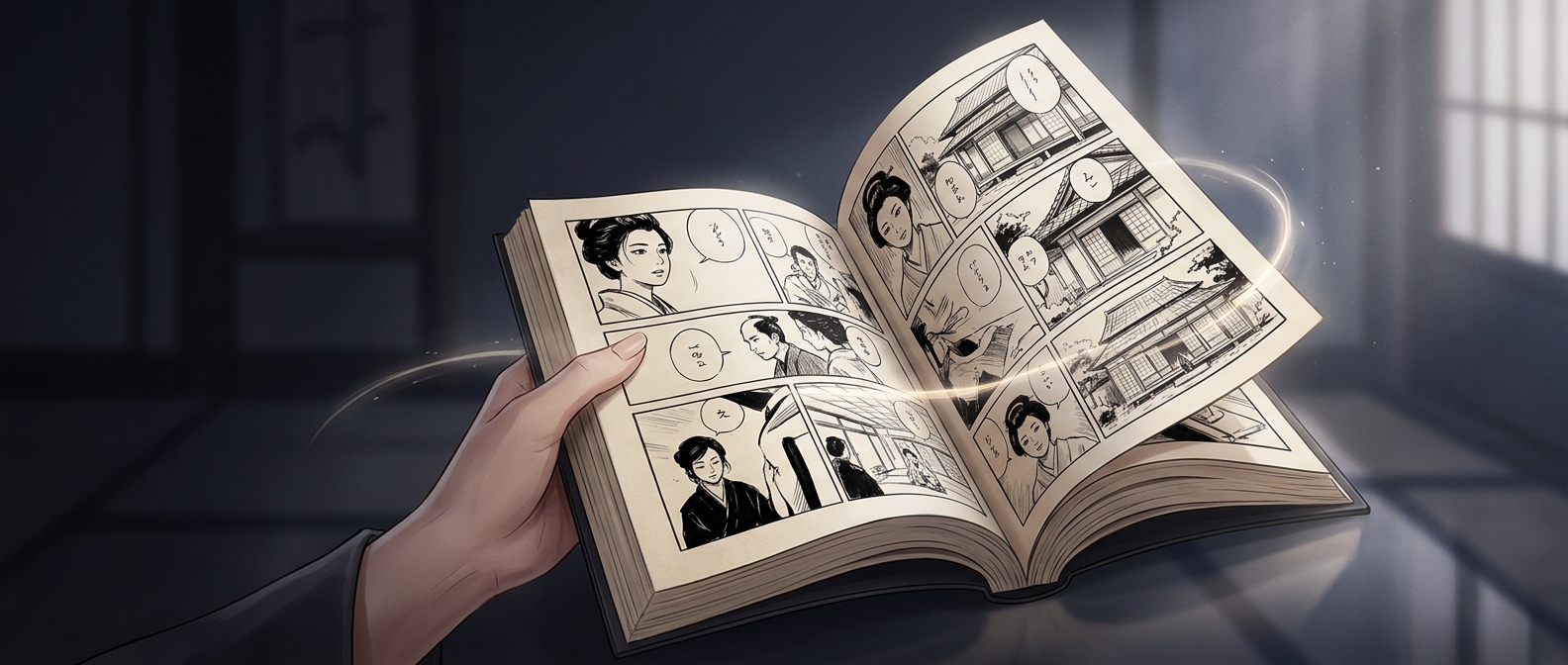
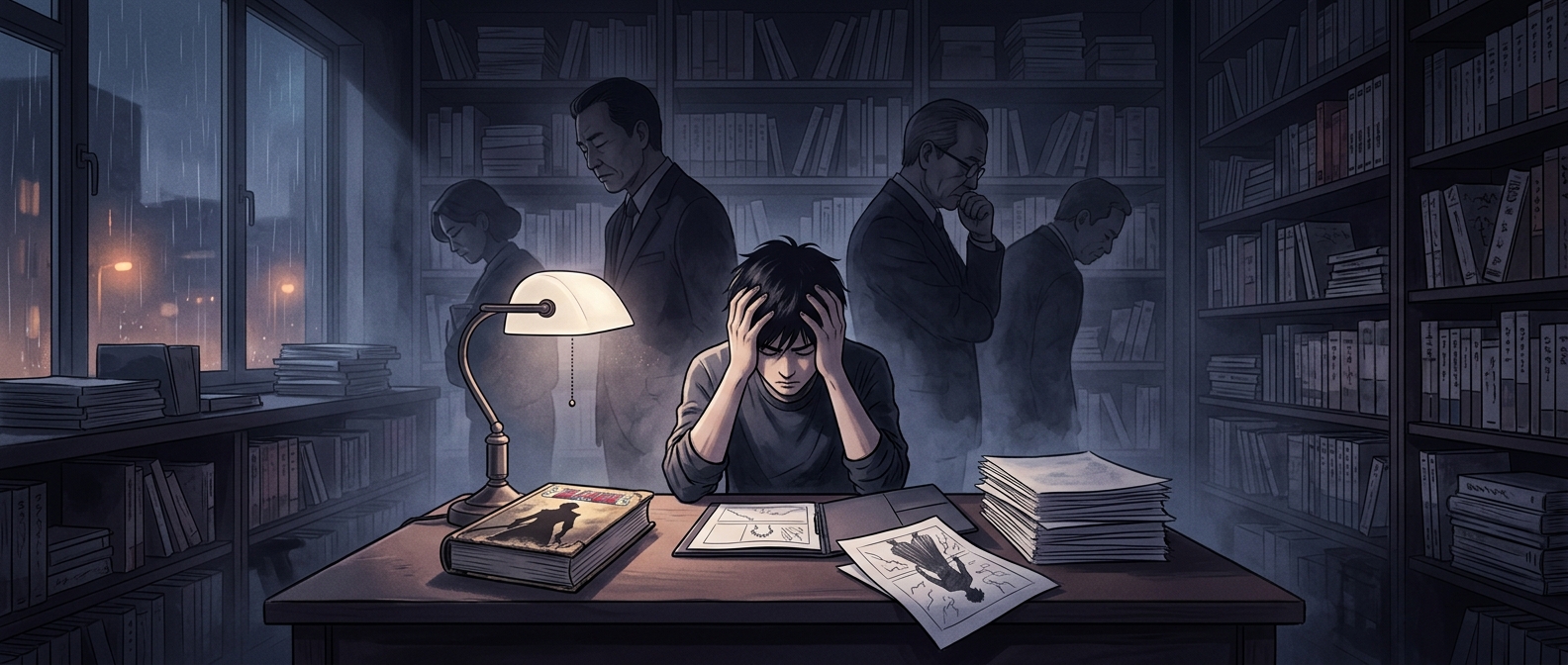
In Weekly Shonen Jump, reader feedback is not just a measure of which stories are popular. It helps editors decide which series deserve space in a magazine with a crowded lineup. Readers mail in survey postcards ranking the chapters they enjoyed, giving the editorial team a recurring signal about what is connecting with its audience.
A low ranking is not an automatic cancellation notice. Editors also weigh factors such as a series’ prospects and the magazine’s overall needs. But when a manga stays near the bottom over several weeks, that pattern can become a warning: readers may not be choosing it over the other stories competing for their attention.
Why the ending can come so quickly
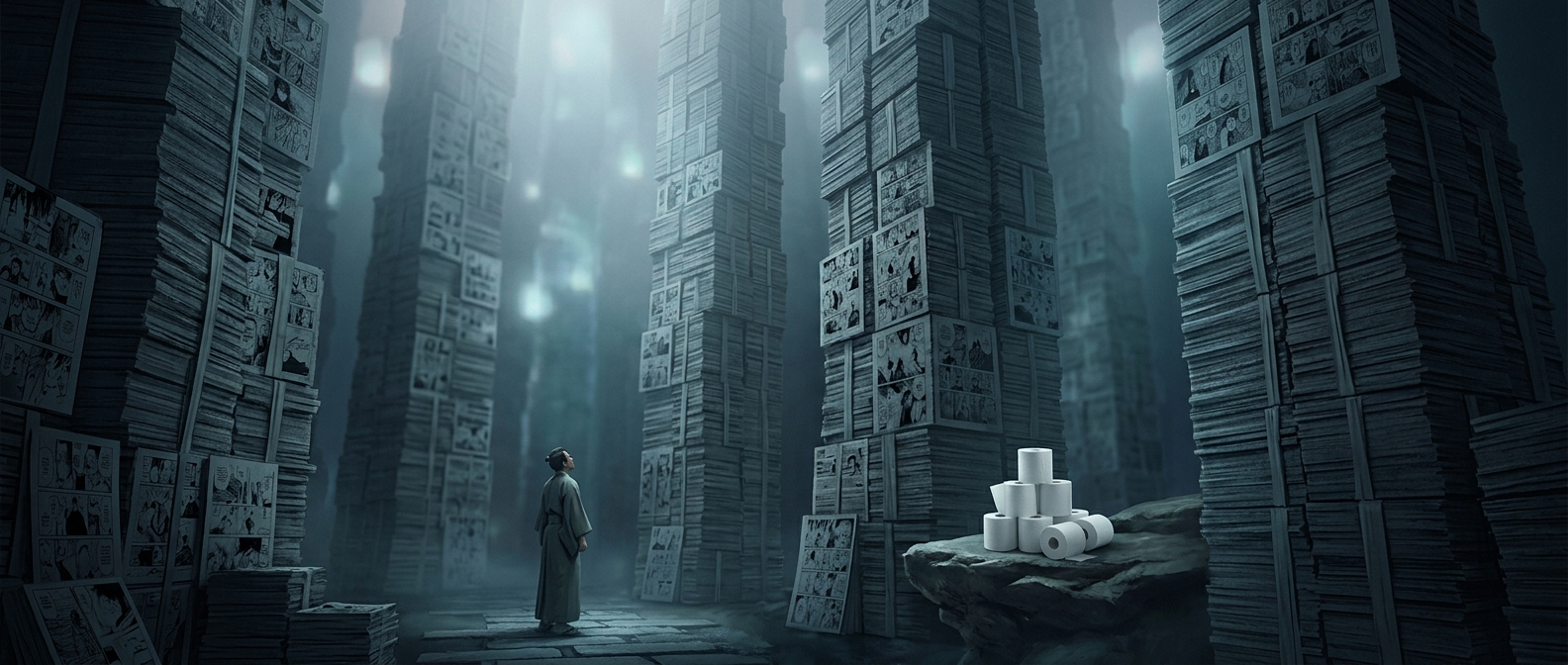
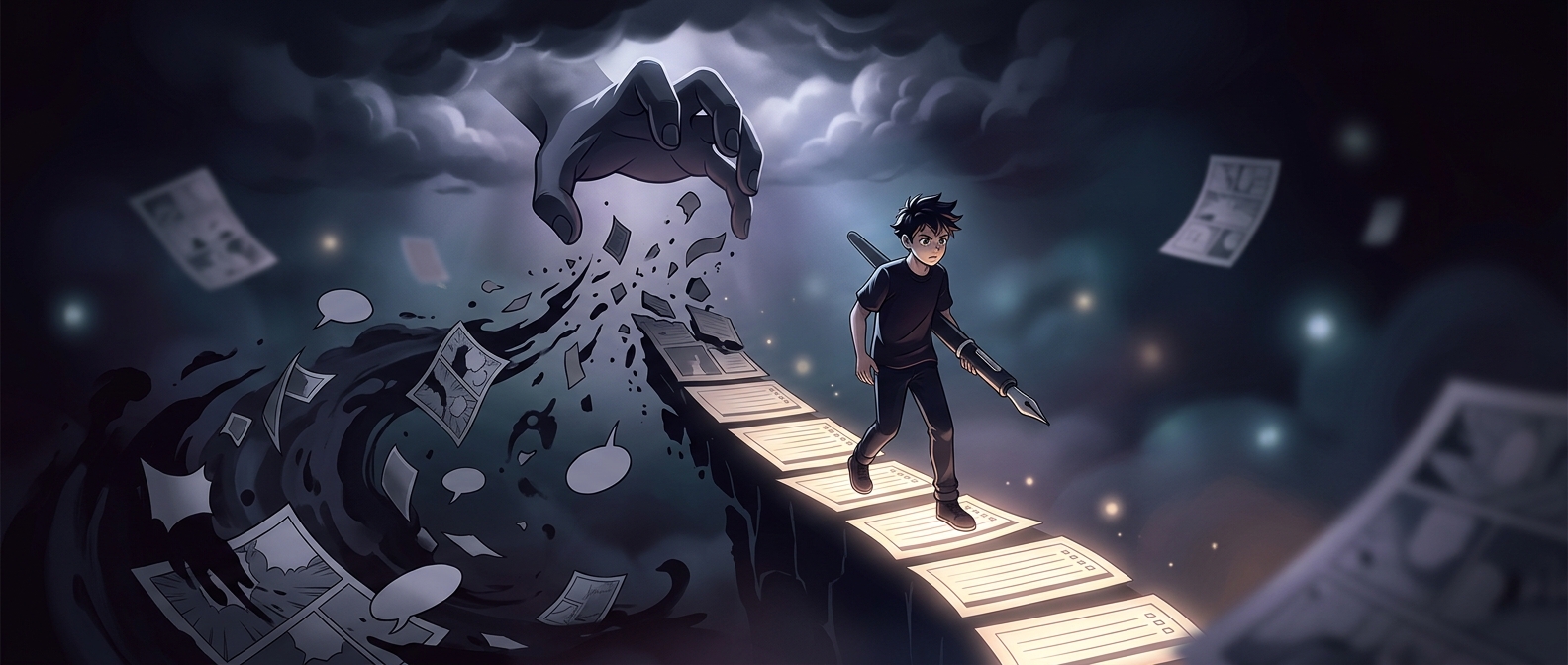
A weekly magazine has limited room. New manga need a chance to find readers, while continuing series must keep earning their place. If editors decide a struggling story should end, its creator may have little time to prepare a long, carefully paced finale. A plot built for years of development can be compressed into a short run of chapters, leaving some threads unresolved or making the conclusion feel sudden.
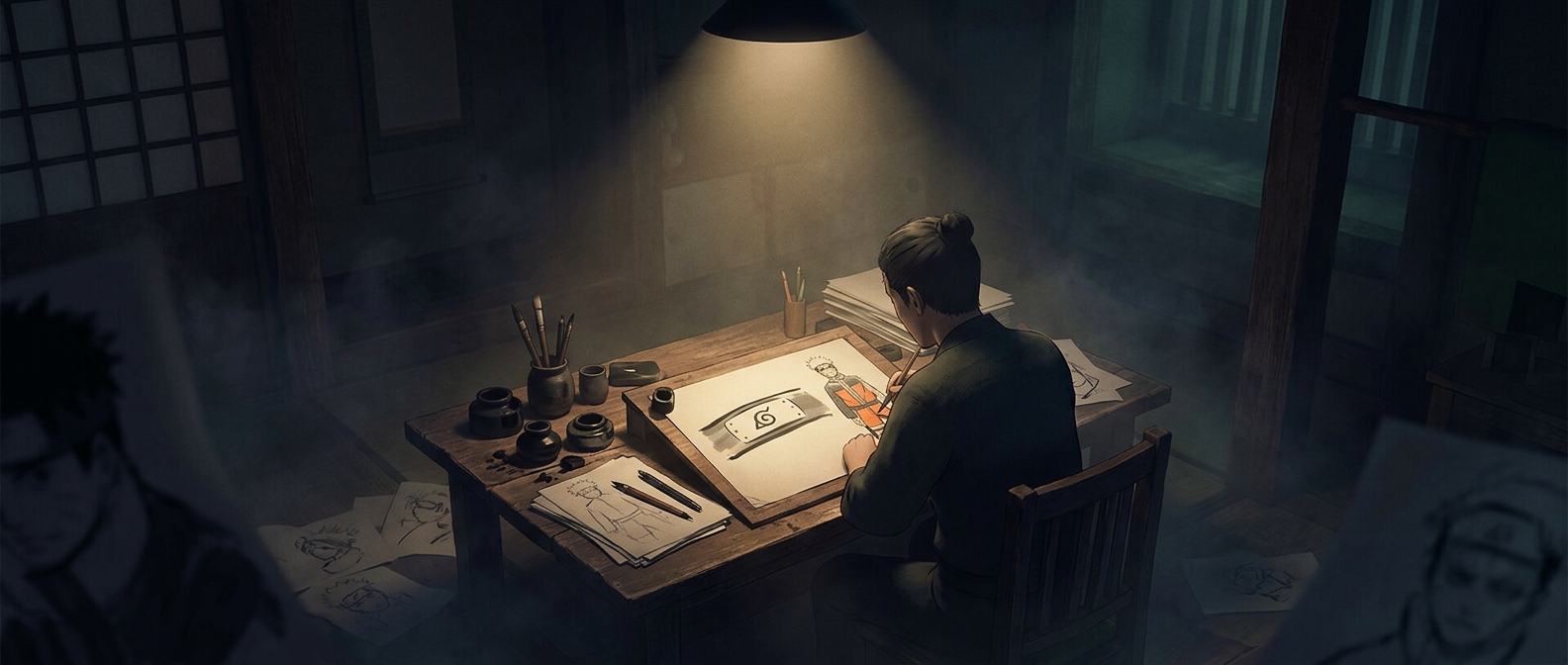
That pressure shapes the storytelling before any cancellation decision, too. A creator has to make each chapter compelling enough to bring readers back next week, while building characters and a larger plot over time. The survey system links those two scales: a reader’s weekly choice can contribute to a series’ long-term survival.
For readers, the postcard is a small act; for a creator, repeated low rankings can help determine whether the story gets another season of chapters—or must reach its ending sooner than planned.