A familiar supernatural setup posed a creative problem
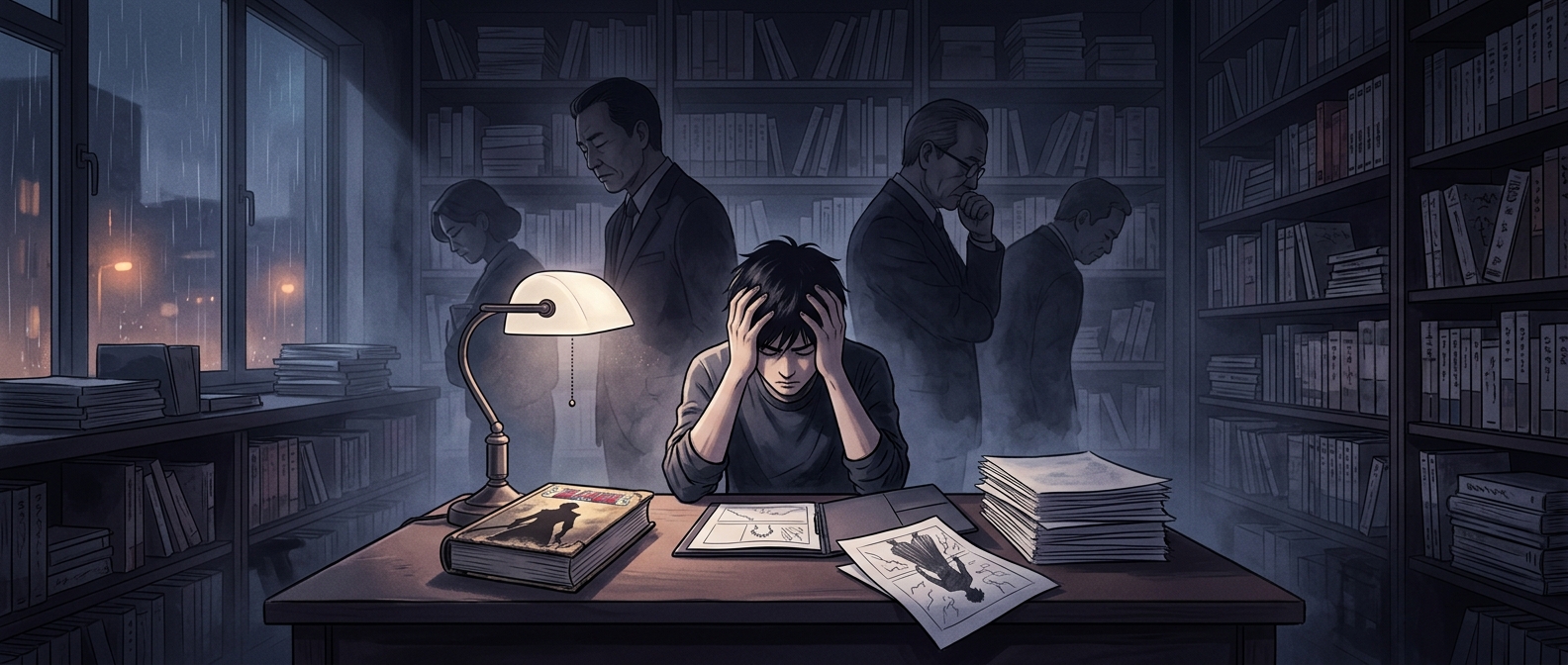
Early on, Bleach risked being dismissed as too similar to Yu Yu Hakusho, another popular manga built around spirits and supernatural battles. For an editor, resemblance can be a commercial concern: readers may see a new series as a repeat of a hit rather than as a story with its own identity.
That pressure mattered because Bleach began with recognizable ingredients—an ordinary teenager, encounters with the dead, and fights against supernatural threats. Its challenge was not simply to include those elements, but to give them a distinct shape.
A different role for the hero
Kubo’s story centered on Ichigo Kurosaki, who can see spirits and becomes a Soul Reaper, a figure tasked with guiding souls and confronting dangerous ones. That role gave the series a framework for moving between everyday life and a larger spirit world. The balance of those worlds, along with the characters and visual style, helped Bleach develop an identity beyond the broad idea of a teenager fighting spirits.
Encouragement before success
Kubo was discouraged enough to consider giving up drawing. Akira Toriyama, creator of Dragon Ball, sent him a letter urging him to continue. The encouragement did not itself make Bleach a hit or settle the editorial concerns; it helped Kubo keep working through a vulnerable stage of his career.
The episode is a reminder that a work can begin near the boundary of imitation and originality. What matters is whether its creator can turn familiar ingredients into a world readers recognize as its own.