From Sentai Squad to Sailor Guardians
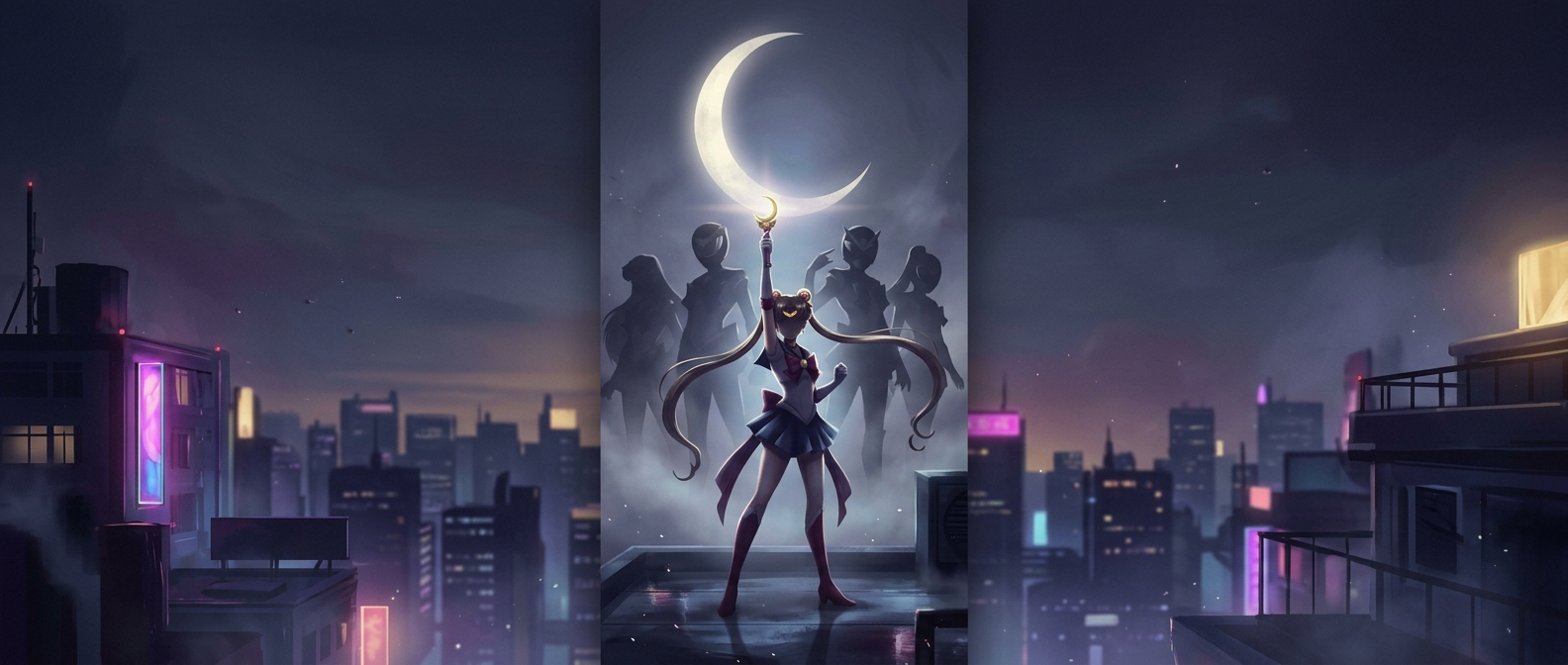
The key borrowing was structural: instead of one hero facing every threat alone, Sailor Moon could send a group of distinct heroes into action. In Super Sentai, the Japanese team-action format that includes shows such as Super Sentai itself, colorful costumed fighters combine individual identities with teamwork against recurring monsters. Naoko Takeuchi adapted that ensemble shape for a story centered on schoolgirls and their everyday relationships.
Transformation Becomes Part of the Drama
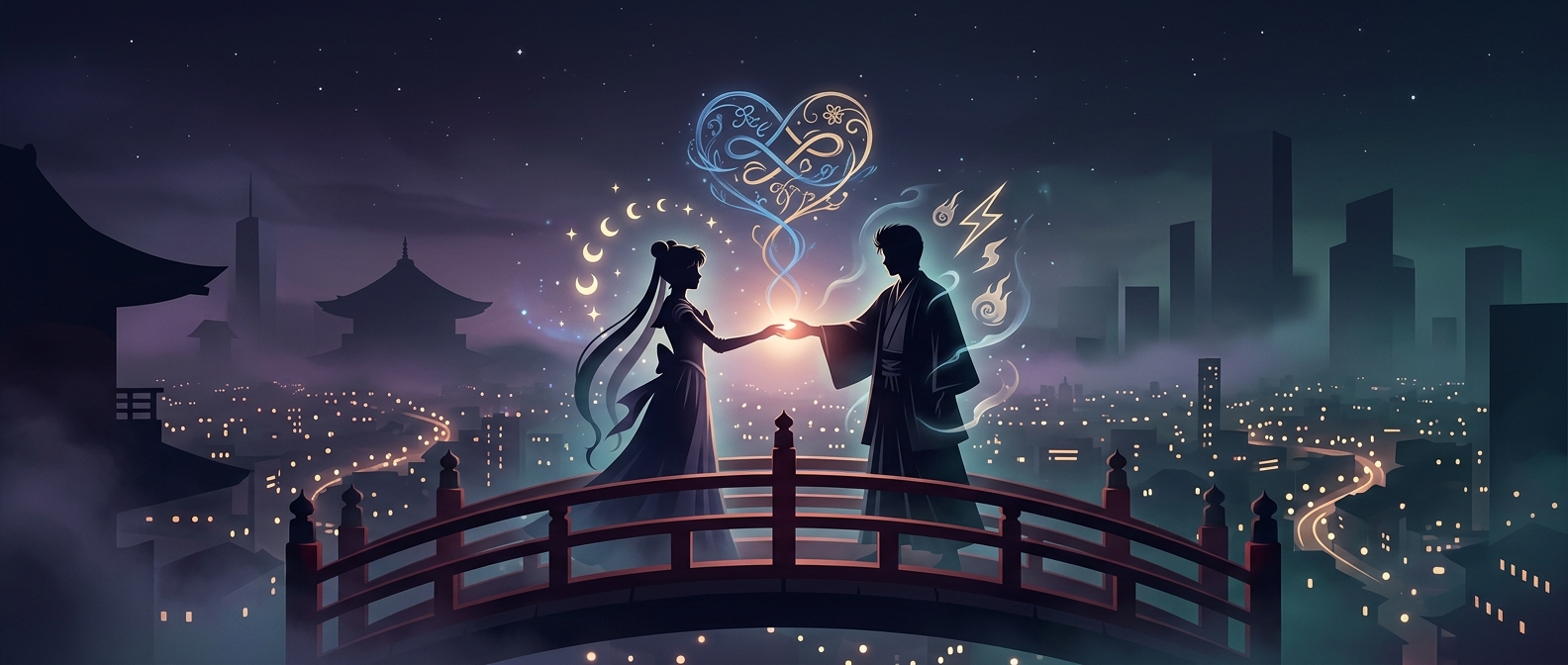
A team needs more than several heroes on screen at once. Each member must be recognizable, and the audience needs a reason to care about them before the fight begins. The Sailor Guardians’ transformations and distinctive appearances make the group legible as a squad, while their school lives give those differences room to show through. The shift from ordinary student to costumed protector turns the transformation into a bridge between two kinds of story: daily life and spectacular combat.
That combination also changes what a monster-of-the-week plot can do. A new enemy supplies an immediate problem, but the team’s changing friendships and loyalties give episodes a longer emotional thread. The action can resolve one danger without making the characters’ relationships feel finished.
A Team Format With Room for Growing Up
The result was not simply a sentai team with different costumes. Takeuchi carried over the appeal of coordinated, individually identifiable heroes, then placed it inside a schoolgirl drama. The team lets the story make friendship part of the heroic machinery: the characters’ bonds are not background to the battles but one of the reasons the battles work. A transformation scene can therefore promise both a fight and a reunion of the group.