A spelling aid found a new surface
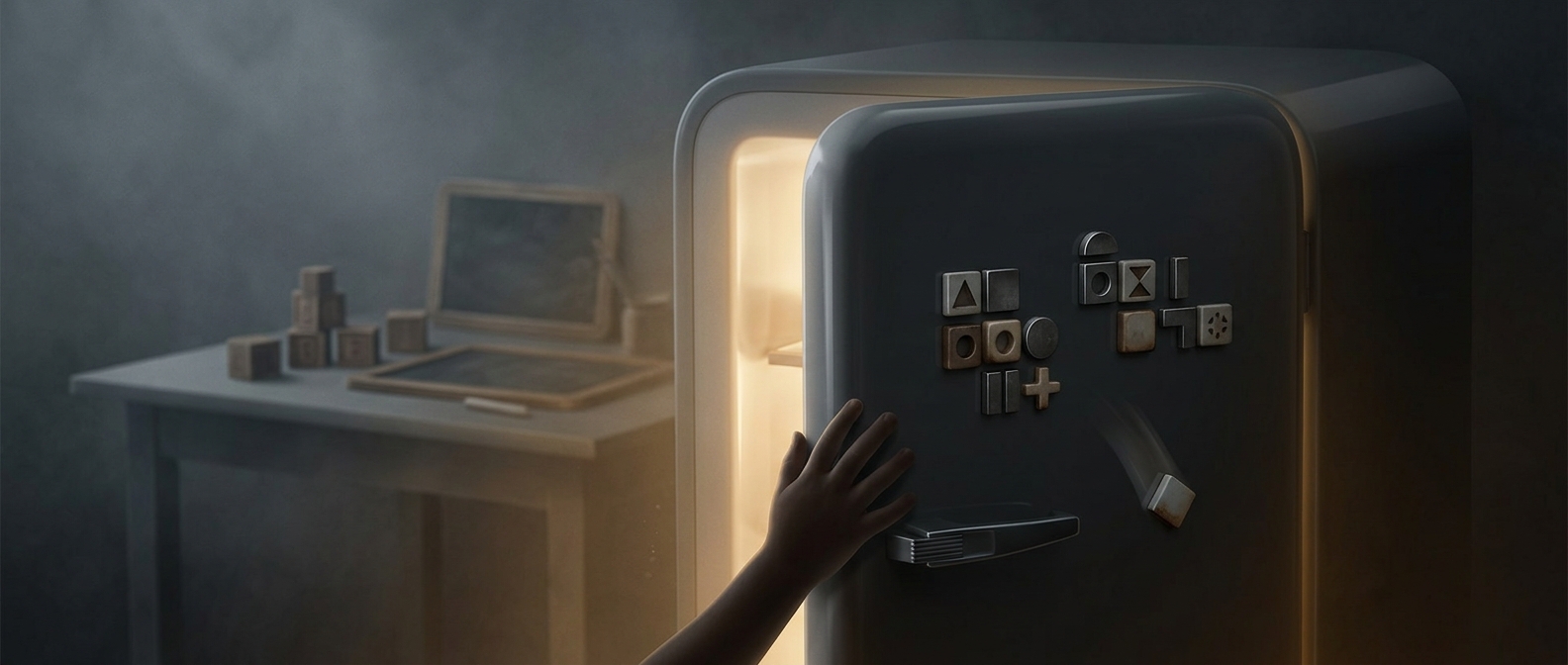
Magnetic letters were patented as tools to help children practice spelling. Their usefulness depended on a simple combination: a letter could be moved around, while a magnet let it stay attached to a metal surface. That made the refrigerator door a convenient place to arrange words, where children and adults could see and change them.
The key was not a new kind of magnet but a useful setting. A refrigerator door could serve as a vertical writing board without needing paper, pins, or a separate stand. The letters were easy to rearrange, so practice could happen one word at a time.
From learning tool to keepsake
Souvenir magnets carried that refrigerator-friendly idea into a different role. Instead of spelling letters, they displayed a picture or reminder of a place. Their magnetism still did practical work: it held a bill or note against the refrigerator, while the image made the object worth keeping in view.
That double purpose helps explain the souvenir magnet’s appeal. It turned a small keepsake into something useful in everyday life—and gave an ordinary household surface a changing display of memories and reminders.