How a sleeping brain turns a cue into a dream
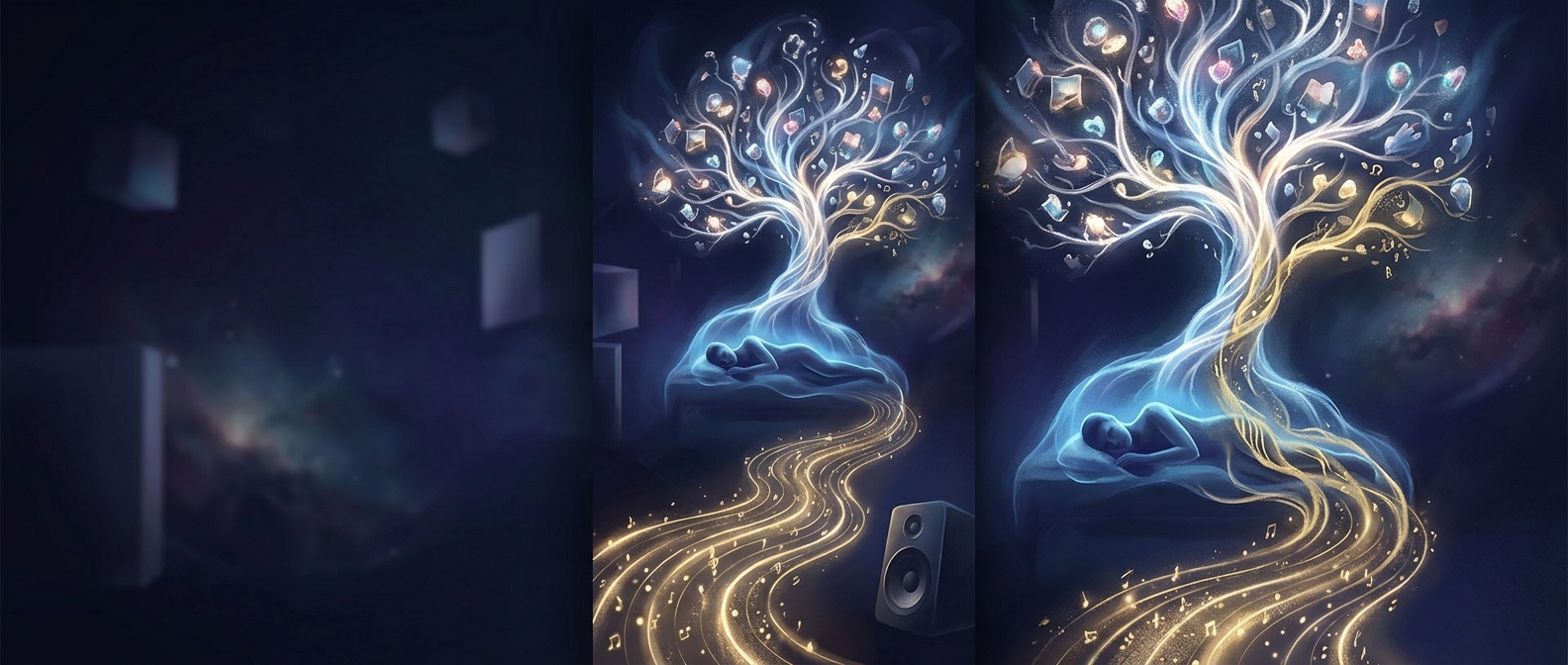
Dreams do not form in a sealed-off mind. During sleep, the brain still processes some signals from the surroundings, though it responds differently than it does while awake. A sound or smell can register without fully waking the person, then become part of the brain’s ongoing dream experience.
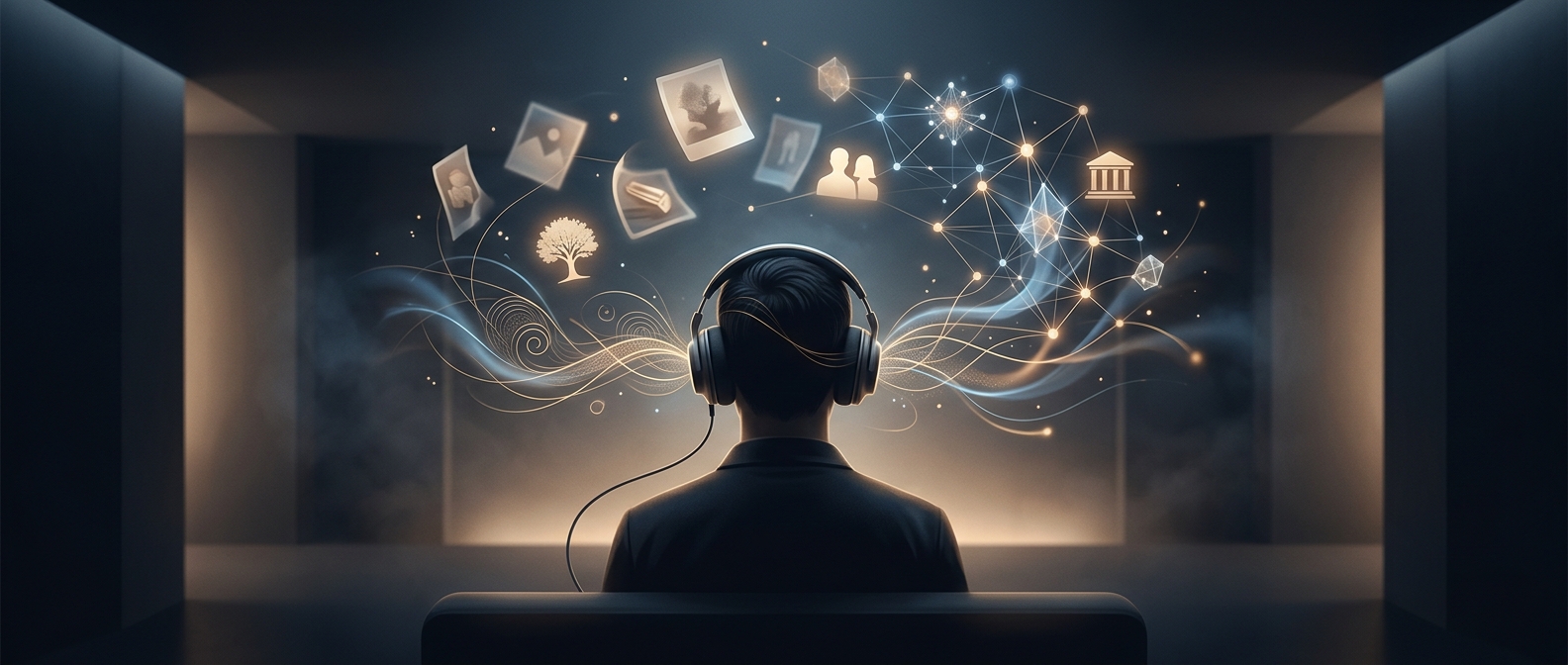
The signal usually does not dictate a precise scene. Instead, the dreaming brain may fit it to a story that is already taking shape: a real chime becomes a doorbell, for example, while an odor may seem to belong to the place in the dream. This is a kind of sensory incorporation—the brain’s use of outside input within an internally generated experience.
Why the cue becomes part of the story
Dreams draw on memory, emotion, and fragments of recent experience, but they do not assemble them like a recording. The brain interprets incoming information while its normal waking checks on the outside world are reduced. That leaves room for a cue to be transformed: the sound may be misidentified, and the dream supplies a plausible explanation for it.
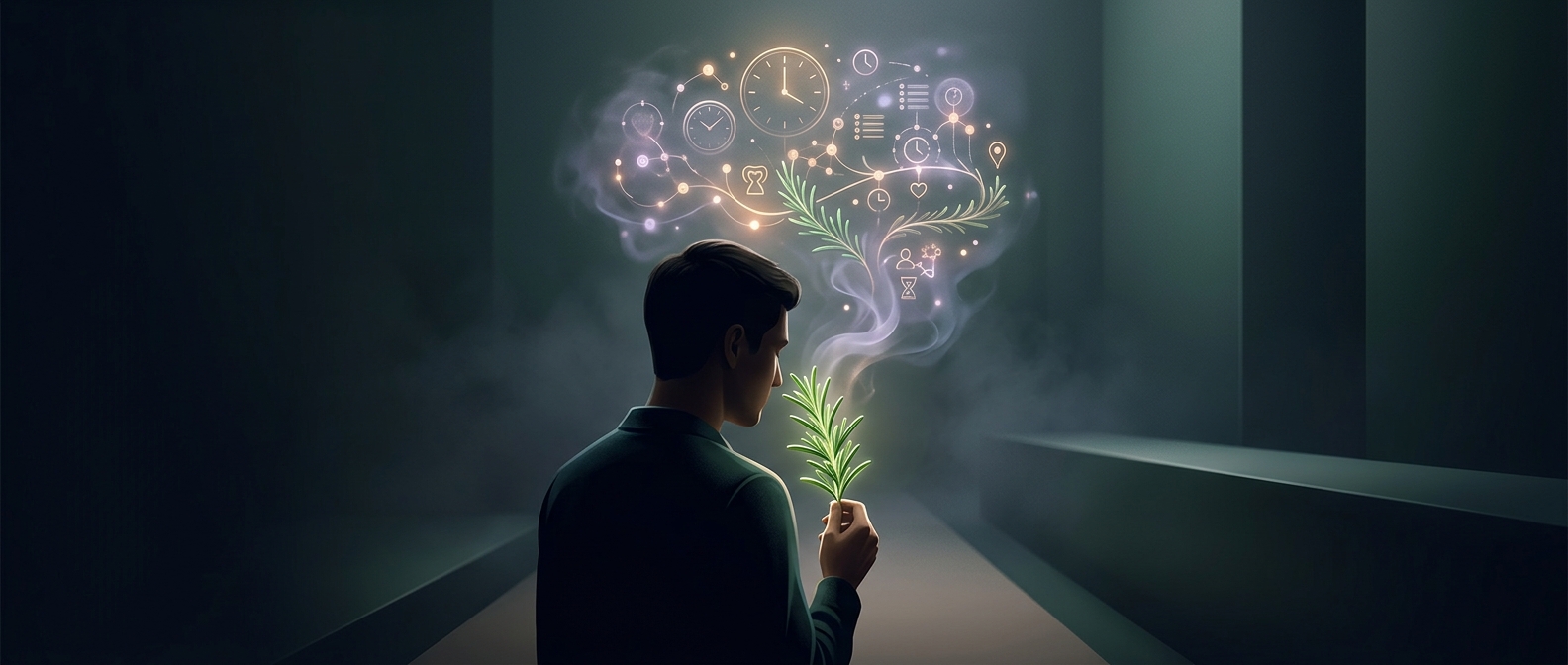
Smell can be especially evocative because it is closely connected with brain systems involved in emotion and memory. But neither sound nor scent works like a remote control. A cue’s effect depends on whether it reaches the sleeper, how strongly it registers, and what the brain is already dreaming. It may be ignored, trigger a brief awakening, or get absorbed into the scene.
A narrow opening between sleep and the world
This helps explain why a dream can feel both private and oddly responsive to its surroundings. The sleeping brain is not simply replaying the room; it is interpreting bits of it through the dream’s own logic. A familiar notification might become a ringing phone in a dream, while a passing smell might seem to come from a kitchen or garden that exists only in the dream.