How a landfill fire reached the coal below Centralia
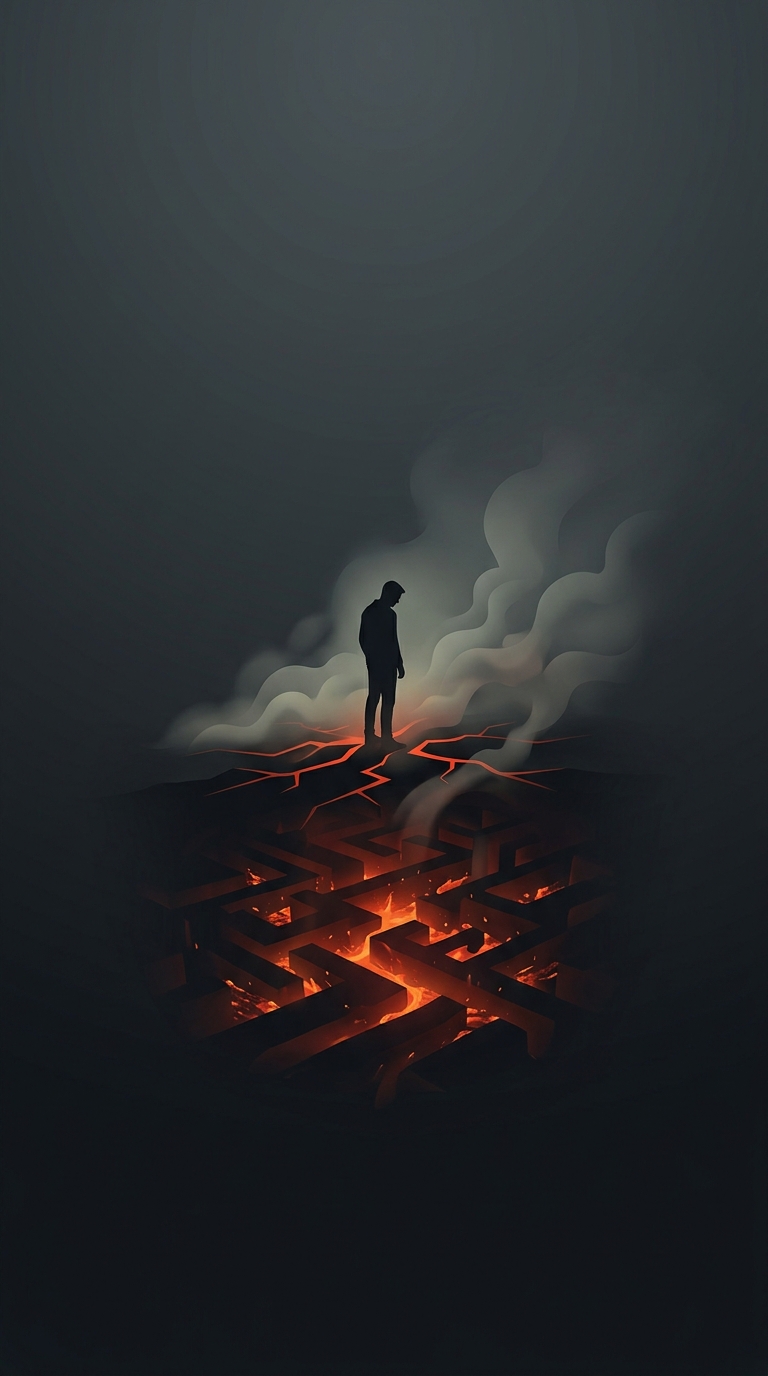
Centralia’s fire did not need to spread across the surface to become a lasting underground hazard. Once flames reached coal exposed in old mine workings, they could travel through seams and tunnels, where oxygen entering through openings kept the coal smoldering. The fire’s path is difficult to map from above: underground passages can connect distant pockets, while collapsed or sealed sections may redirect heat and smoke.
Coal burns more slowly than a pile of rubbish. It can smolder out of sight, heating the ground and releasing smoke and gases through cracks, vents, or other openings. Putting out such a fire is not like dousing a visible blaze; crews would have to locate its edges and cut off its access to oxygen, often through extensive excavation or sealing. If the burning area is poorly understood, an intervention can miss a route the fire is using.
A town shaped by an invisible hazard
For residents, the danger was not only the fire itself but what it could do to the land above it. Underground combustion can leave weakened ground and create hazardous gas conditions, making some places unsafe to occupy. The threat turned a hidden process beneath ordinary streets and homes into a reason for people to leave and for the town to empty out.
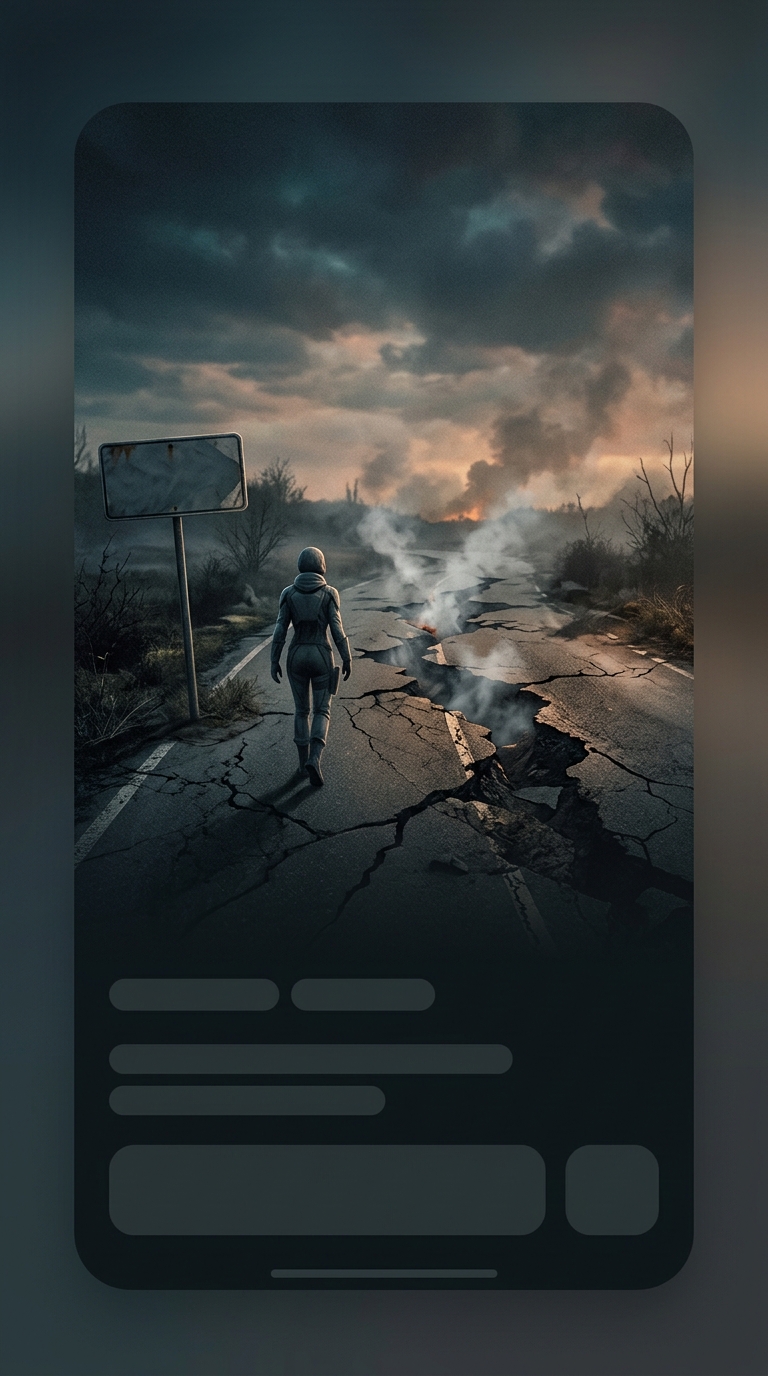
That contrast is what makes Centralia striking to visit or study: the surface can look quiet, while the fire’s effects are governed by a network of coal and mine passages below. The town’s story is a reminder that abandoned industrial workings do not simply disappear when mining ends—they can continue to shape what is safe on the ground above.