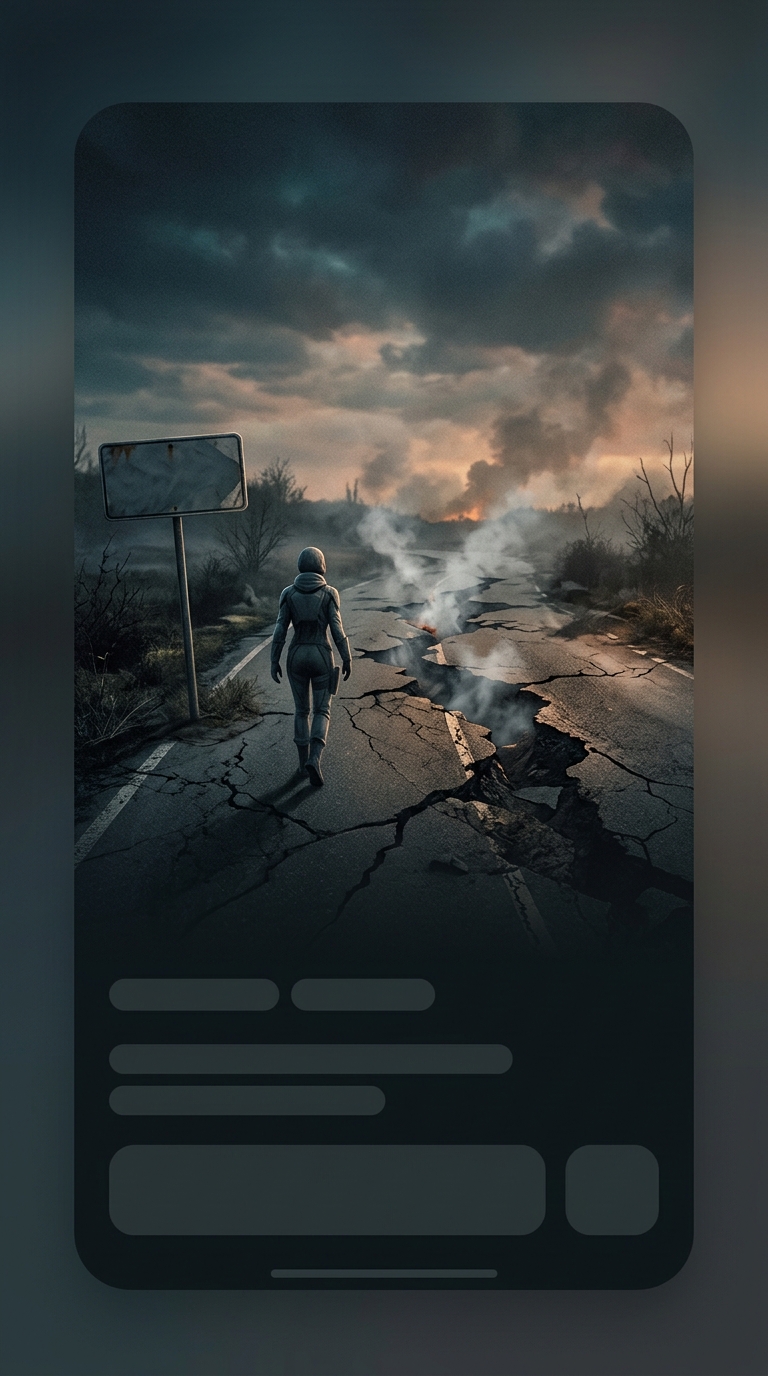
How a fire moved beneath Centralia
Centralia sits above a network of abandoned anthracite coal mines. In 1962, a fire in a mine workings area near the borough’s landfill spread into coal underground. The precise chain of events that ignited it has been disputed, but once coal caught, the fire found fuel and air in the old workings and fractured rock. A blaze that might have been put out on the surface became a hidden, spreading one.
Underground coal fires are hard to reach: digging can expose new routes for oxygen, while sealing one opening may leave others. The Centralia fire has continued burning through the mine system, heating the ground and releasing gases through cracks and vents. What looks like smoke rising from pavement may be a mix of combustion gases and water vapor condensing in cooler air.
Why the roads became dangerous
Heat and shifting ground damaged roads, while gases and the risk of sudden ground collapse made parts of the borough unsafe. The danger was not just a dramatic plume: a person could not reliably tell from the surface where the ground was stable or what was escaping from a fissure. Residents were relocated over time, and most buildings were removed.
The best-known damaged stretch, an old section of Route 61 nicknamed “Graffiti Highway,” is no longer an open road to explore; it was covered with earth in 2020. Centralia’s story is therefore less a roadside spectacle than a reminder of how mining can leave a landscape with hazards that persist long after the industry has gone.