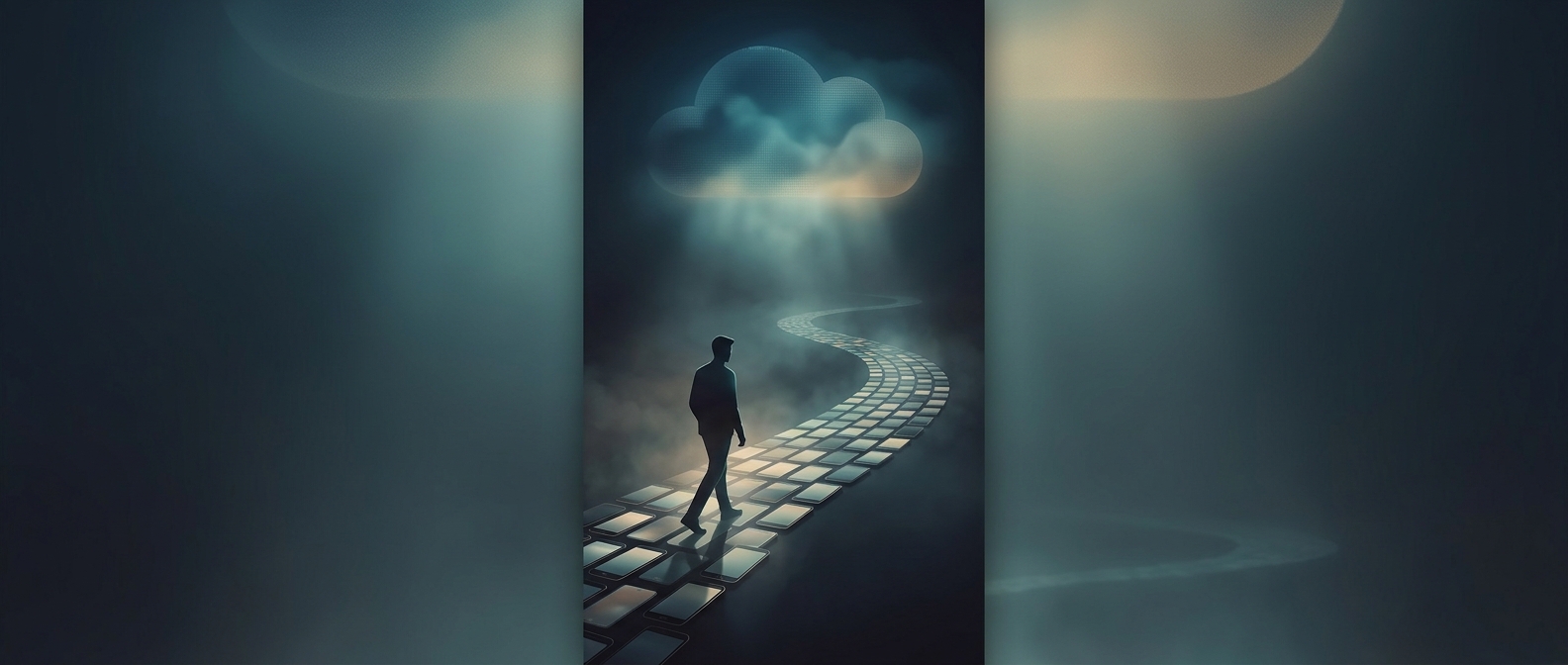
How a Small Swipe Becomes a Long Daily Journey
A scroll is a short movement of your thumb, but it can move much more content than the distance your finger travels. On a touchscreen, the software reads the swipe and shifts the page; often, it keeps the page moving briefly after your finger lifts. That continued motion is called inertial scrolling. It lets you skim quickly without dragging your thumb through every inch of the feed.
The distance adds up because scrolling is repeated in tiny bursts. A recipe page, a string of posts, and a few profile cards each invite another flick. No single gesture feels like much, and the same thumb can move between apps throughout the day.
Why Feeds Keep the Thumb Moving
Many digital pages are designed to load more material as you reach the bottom. Unlike a book or a page with a clear final screen, an endless feed offers few natural stopping points. The next item is already waiting, so deciding to continue takes less effort than finding a place to stop.
That design turns scrolling into a loop: a new item appears, you glance at it, then swipe again. The motion is simple enough to fade from awareness, even while the feed keeps advancing. The roughly 300-foot estimate is therefore best understood as a way to picture many small gestures accumulated over a day—not as a fixed distance every person travels.
The striking part is the mismatch between effort and scale: your thumb barely leaves its patch of glass, while its repeated movements can add up to a distance comparable to a very tall landmark.