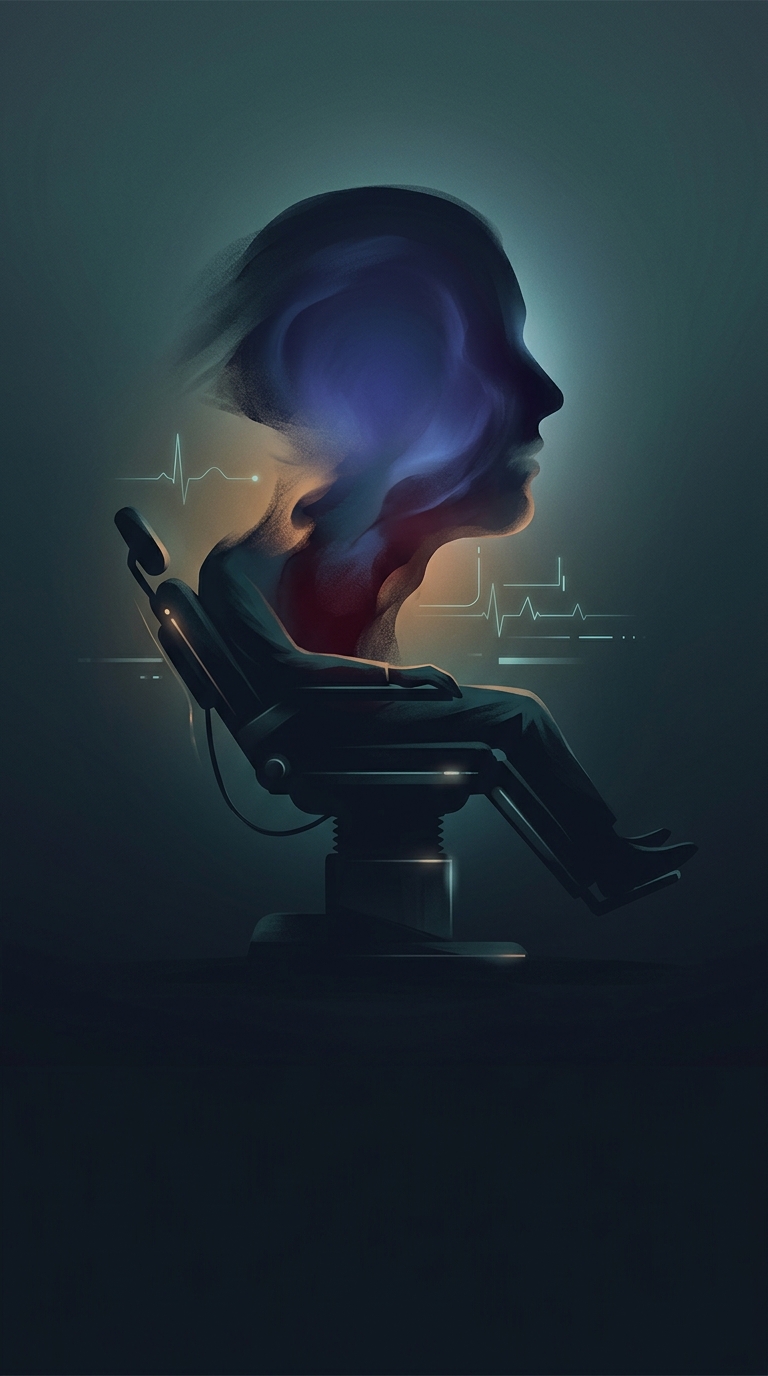
Anesthesia is not ordinary sleep
General anesthesia is a carefully controlled drug-induced state, not simply a deeper version of falling asleep. Medicines act on the brain and nervous system to produce unconsciousness and prevent pain and movement. Because different drugs produce these effects in different ways, the anesthesia team adjusts them throughout an operation rather than relying on a single dose and walking away.
The hard part: consciousness cannot be checked directly
An anesthesiologist can continuously track signals such as breathing, blood pressure, heart rate, and—when appropriate—electrical activity from the brain. These clues help guide care, but none is a perfect window into what a person is experiencing. Some medicines also prevent movement, so a patient may be unable to signal distress even if awareness occurs.
Accidental awareness under general anesthesia is uncommon, but it can happen. It is not the same as dreaming: a person may later recall sounds, pressure, or other sensations from the operation. The possibility is one reason the anesthesia team monitors the patient closely and responds to changing conditions, including the effects of surgery and the patient’s health.
A balance, not a simple “off” switch
The goal is enough anesthesia to keep the patient unconscious and comfortable while preserving safe breathing and circulation. Too little can leave a person inadequately anesthetized; too much can place unnecessary strain on the body. The unsettling reality is that anesthesia requires continuous judgment because no monitor can simply certify, with absolute certainty, that someone is unconscious.