The Stage Sound That Can Damage Hearing
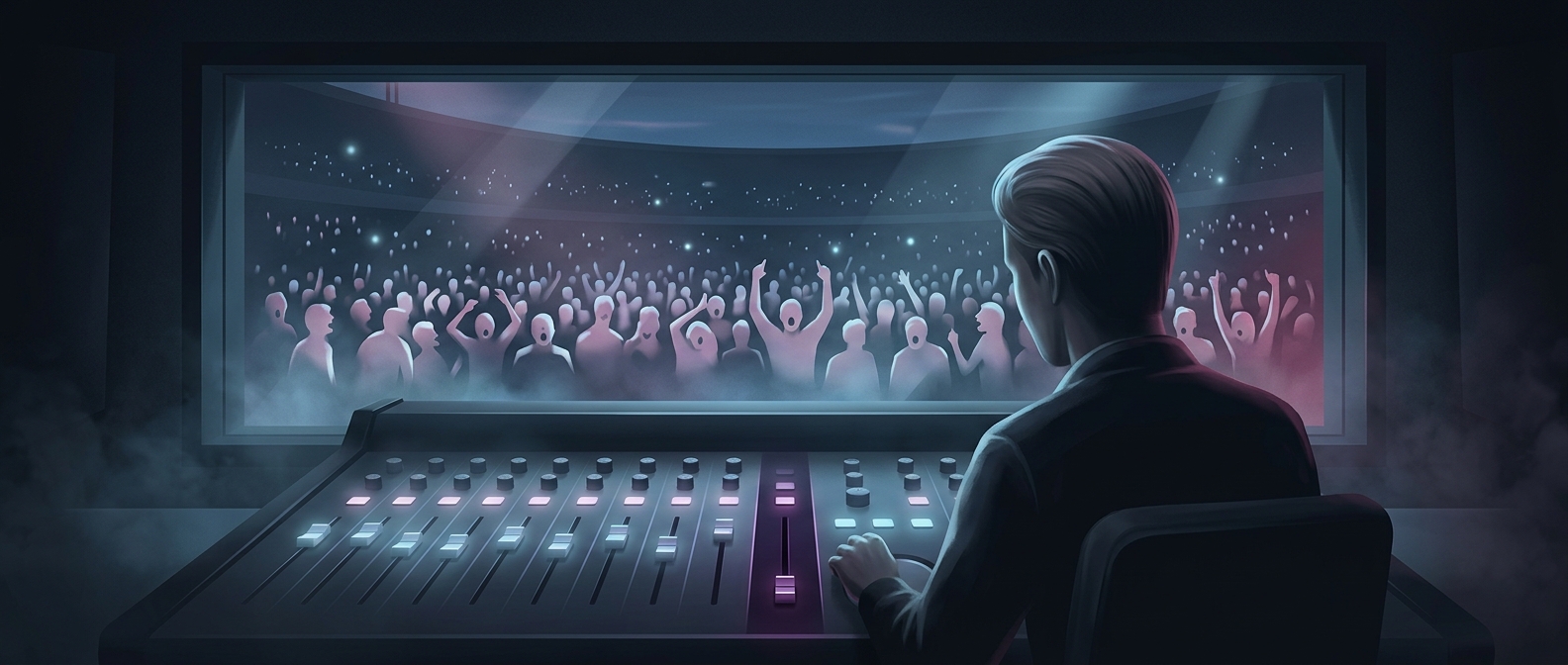
On a massive stage, musicians compete with amplified instruments, drums, and the roar of the crowd. Traditionally, wedge-shaped speakers placed on the floor—called stage monitors—send sound back toward performers so they can hear their own voices and stay in time. At high volume, that mix can add to the noise already surrounding them, putting their hearing at risk over repeated performances.
A Personal Mix, Sealed Close to the Ear
Custom in-ear monitors fit each musician’s ears and deliver a tailored mix directly to them. A singer might ask for more of their own voice; a drummer might need the bass line or a click track, an electronic beat that keeps the band at a steady tempo. Because the sound is delivered at the ear, performers can often hear what they need without turning up a bank of loud speakers across the stage.
The earpieces also help separate the intended mix from the chaotic stage sound. That can make it easier to hear cues and stay synchronized, especially when musicians are far apart or moving around a large set.
Protection, Not Invulnerability
In-ear monitors can reduce exposure to loud stage sound, but they do not make hearing damage impossible. The mix itself can still be too loud, and fit matters: a good seal helps block outside noise, while a poor one may tempt a performer to raise the volume. The practical advantage is control—each musician can hear a useful, consistent mix at a level they can manage, rather than relying on ever-louder speakers to cut through the noise.