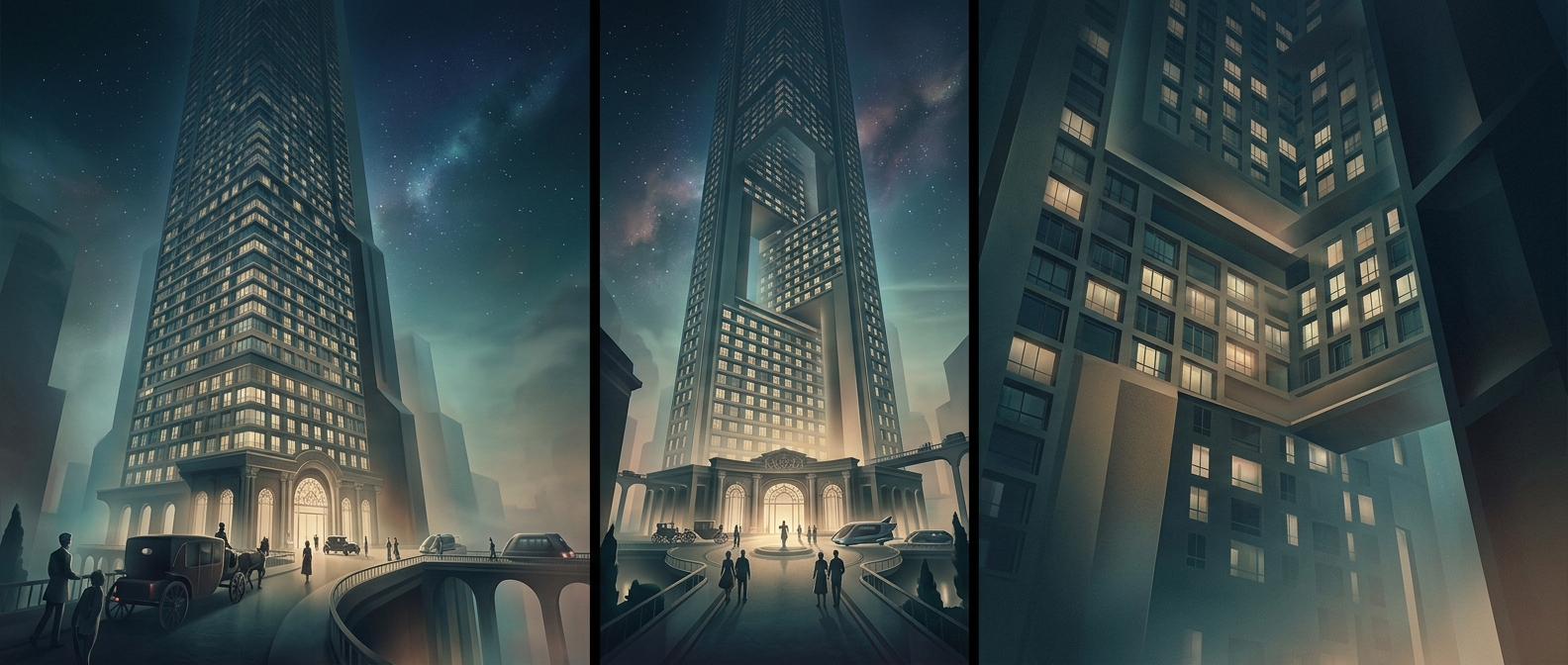
Why a full infinite hotel can still make room
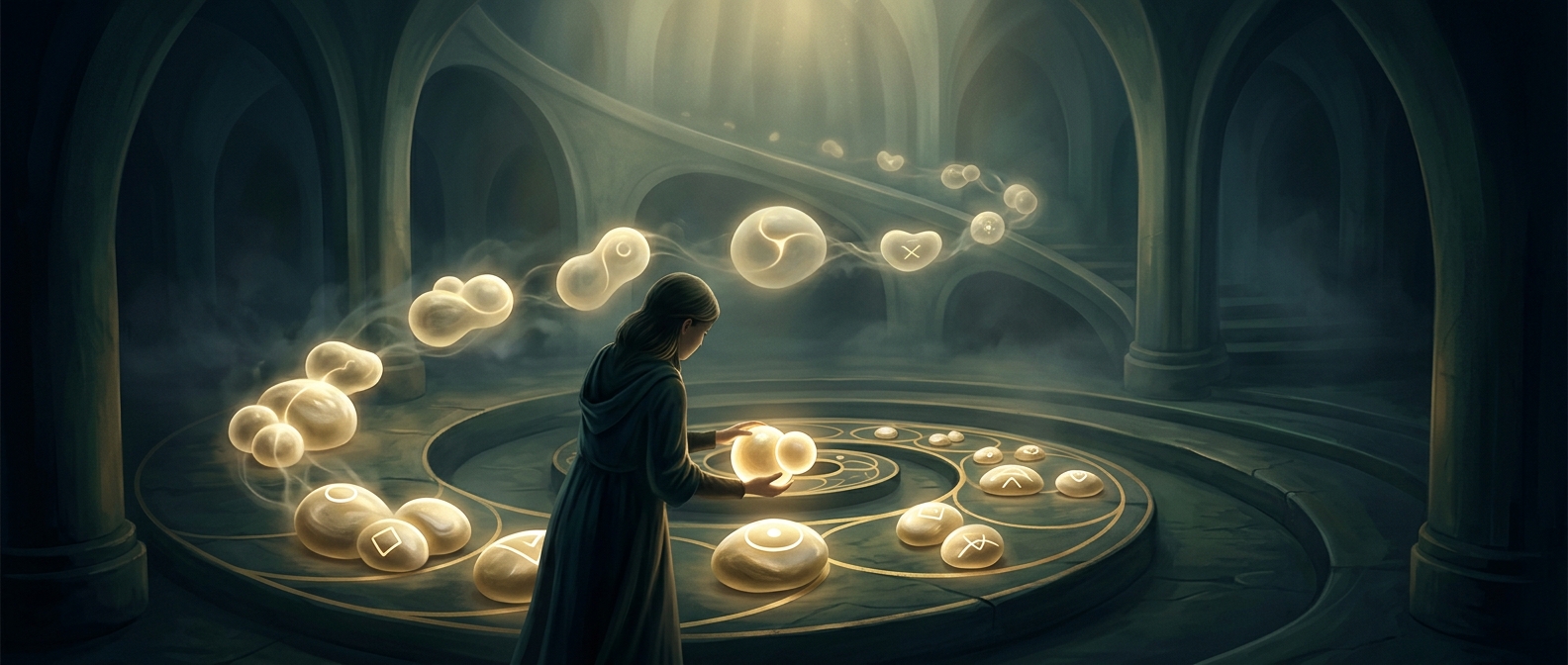
Imagine a hotel with rooms numbered 1, 2, 3, and onward without end. Every room is occupied, so there is no empty room to assign to a newcomer. Yet the manager can make one by giving each current guest a new room number: guest 1 moves to room 2, guest 2 to room 3, and, in general, the guest in room n moves to room n + 1.
No guest is left without a destination, and no two guests land in the same room. Room 1 becomes vacant for the newcomer. The key is that the room numbers have no final value: there is always a next room.
What “full” means when there is no end
In an ordinary finite hotel, moving every guest up one room would eventually hit the last room, leaving someone nowhere to go. The infinite hotel has no last guest and no last room, so that obstacle never arises. Each guest’s move can be defined by a simple rule, even though the chain of moves never ends.
This is a thought experiment about different sizes of infinity, not a practical way to rearrange an endless crowd. It shows that “every room is occupied” does not always mean “there is no room available” when the collection is infinite. The same logic lets the hotel accommodate any finite number of arrivals: shift guests far enough up the numbered rooms and the first several rooms become free.