One word changes the table’s information
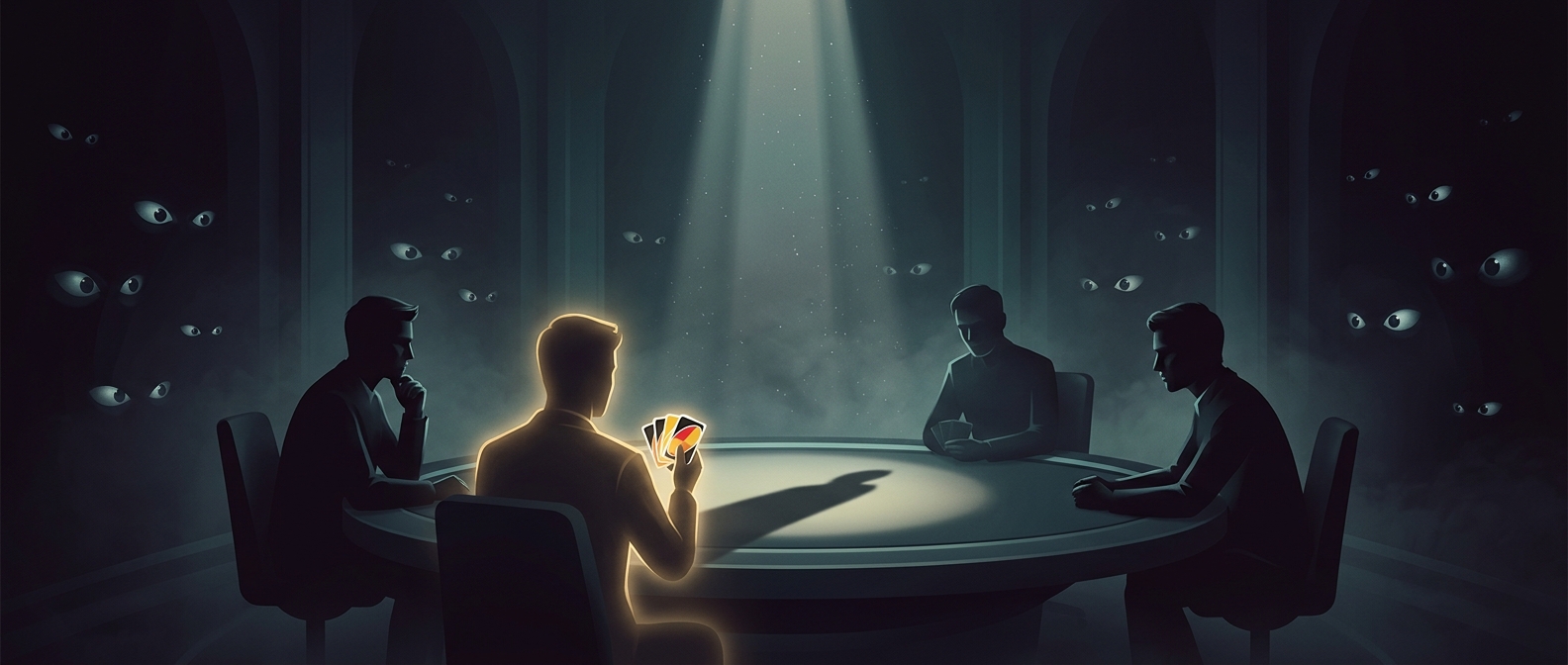
Most of the time, opponents can only guess how close you are to winning from the cards you play. Saying “Uno” removes that uncertainty: everyone now knows you have exactly one card left. The announcement is required by the rules, but it also gives the table a clear warning that the next play could end the round.
That warning matters because Uno is a race. Once a player is nearly finished, the others have a strong reason to spend cards that can disrupt their turn rather than save them for later.
Why draw cards become urgent
A Draw Two or Wild Draw Four can make the player take more cards, delaying the moment they can play their last one. The extra cards do not guarantee that the player will be stuck for long, but they can buy opponents another turn—and another chance to change the situation.
So “Uno” can redirect the table’s attention. A draw card that might otherwise be saved for a later opportunity becomes valuable now because there is a specific threat to stop. The player who called Uno has made progress, but also made that progress visible.
The announcement is part of the risk
That tension is built into the game: players must announce their final card, yet the announcement gives everyone else a reason to respond. Forgetting the call can bring a penalty if another player catches the mistake in time, so staying quiet is not a safe way to avoid becoming a target.
The result is a small but sharp tradeoff: getting down to one card brings you close to winning, while saying so gives the table a chance to make you earn that final play.