Why a Small Blast Can Launch a Warthog
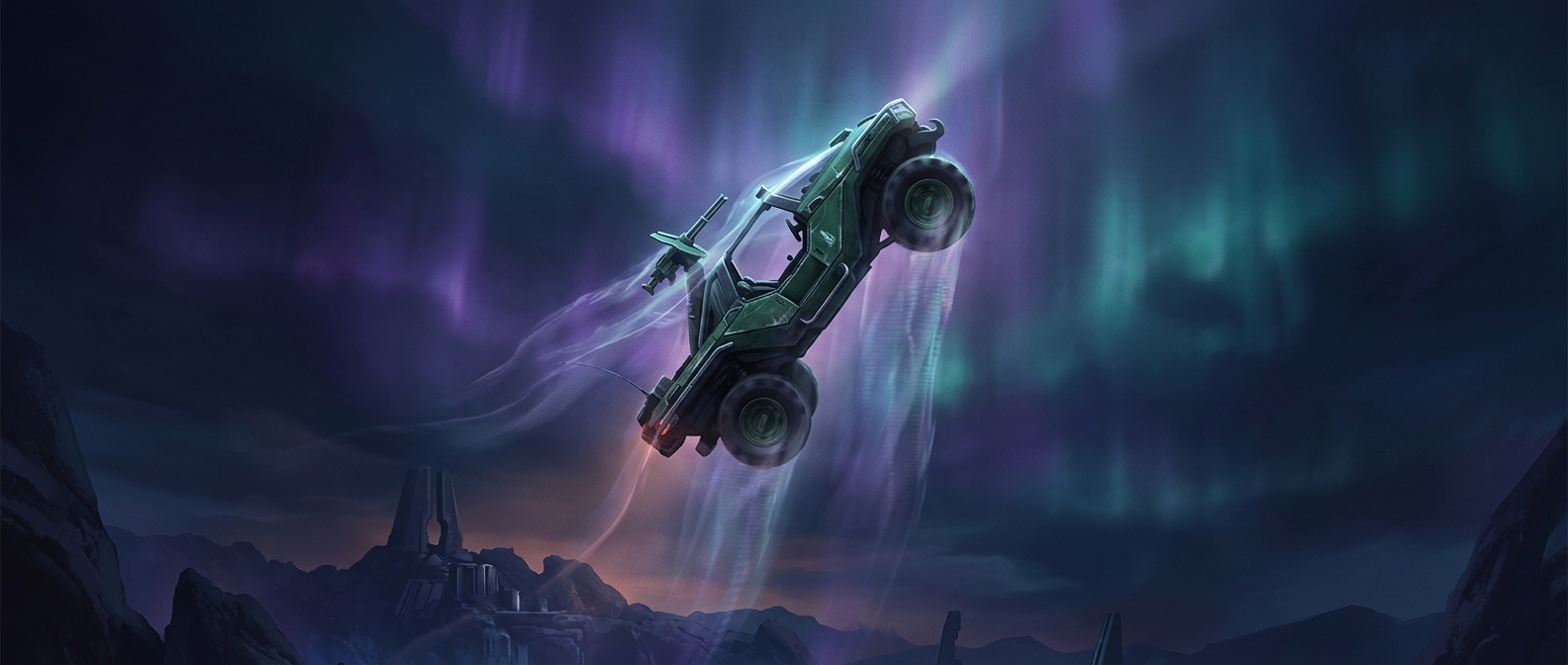
In Halo 2, a Warthog is not just scenery that plays a canned animation when a grenade goes off. The game simulates objects moving and colliding, so an explosion can push the vehicle and the vehicle can then strike the ground, a wall, or another object. Each collision changes its motion again.
The visible blast does not have to look like a direct hit for the result to be dramatic. The game’s collision shapes and physics calculations determine how force is applied; if that force catches the vehicle off-center, it can also start the Warthog rotating. A bounce can then redirect it, sending it skidding, tumbling, or arcing much farther than expected.
When a Driving Tool Becomes a Physics Surprise
That chain reaction makes the vehicle useful in ways its designers did not need to script one by one. Players can use explosions and collisions to disrupt a fight—or simply watch as an ordinary encounter turns chaotic. The same simulation that makes the Warthog feel responsive on the ground can produce an absurd flight when several forces meet at the wrong angle.
The memorable part is that the launch is not a separate “flying jeep” feature. It emerges from ordinary rules for motion and impact interacting, leaving players to discover what the physics will do next.