A rude gesture in ancient comedy
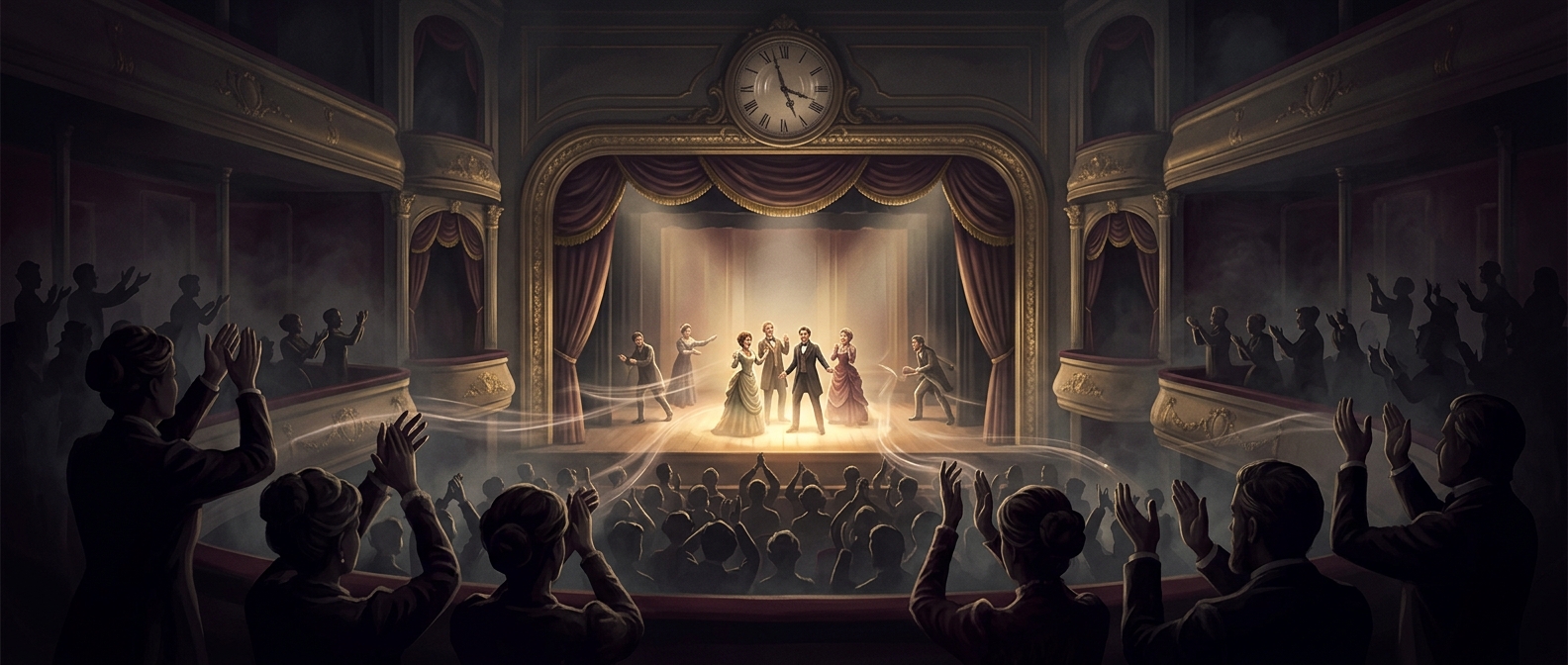
The raised middle finger was already a recognizable insult in ancient Greece. One early written appearance is in Aristophanes’ comedy The Clouds, performed in the fifth century BCE. In a scene about poetic meter, a character uses the finger to make a crude joke: a “foot” in poetry becomes a sexual reference. The gag works because the gesture’s shape was already suggestive to the audience.
That makes the play evidence that the gesture was familiar—not proof that Aristophanes invented it or that this was its first use. As with many everyday gestures, its beginnings are hard to pin down: people may have used it long before anyone recorded it.
Why the finger carried an insult
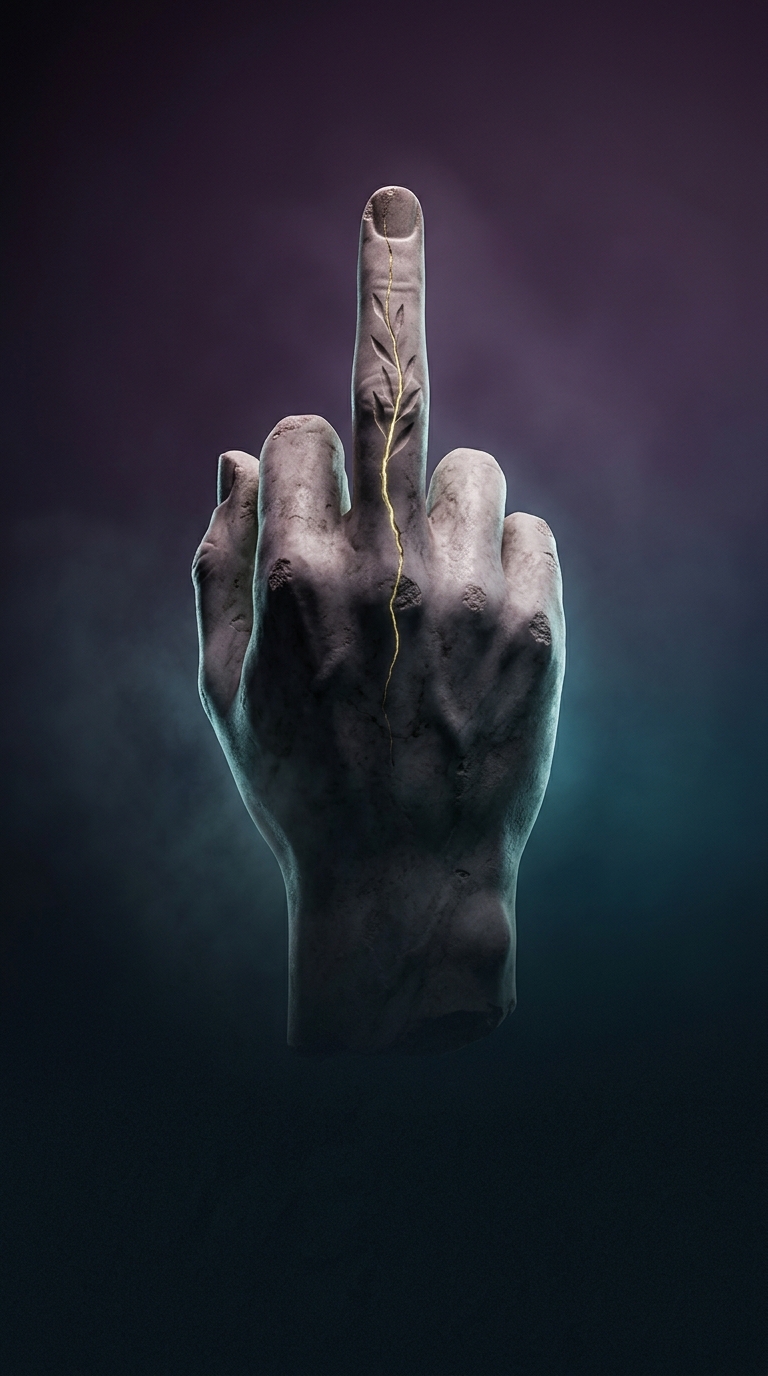
The gesture turns the hand into a phallic symbol. In plain terms, the upright finger represents a penis, while the curled fingers around it reinforce the image. A sexual image used as an insult could convey contempt or deliberate disrespect without needing words.
Romans later had a name for the gesture: digitus impudicus, meaning “shameless” or “indecent finger.” Its appearance in both Greek and Roman worlds shows that the gesture had a long life in antiquity, though the surviving evidence does not establish an unbroken, identical tradition from then to today.
The striking part is not that ancient people invented a hand sign we still use. It is that a joke about the body was legible enough to survive across centuries: in Aristophanes’ theater, a finger could turn a lesson in poetry into an insult.