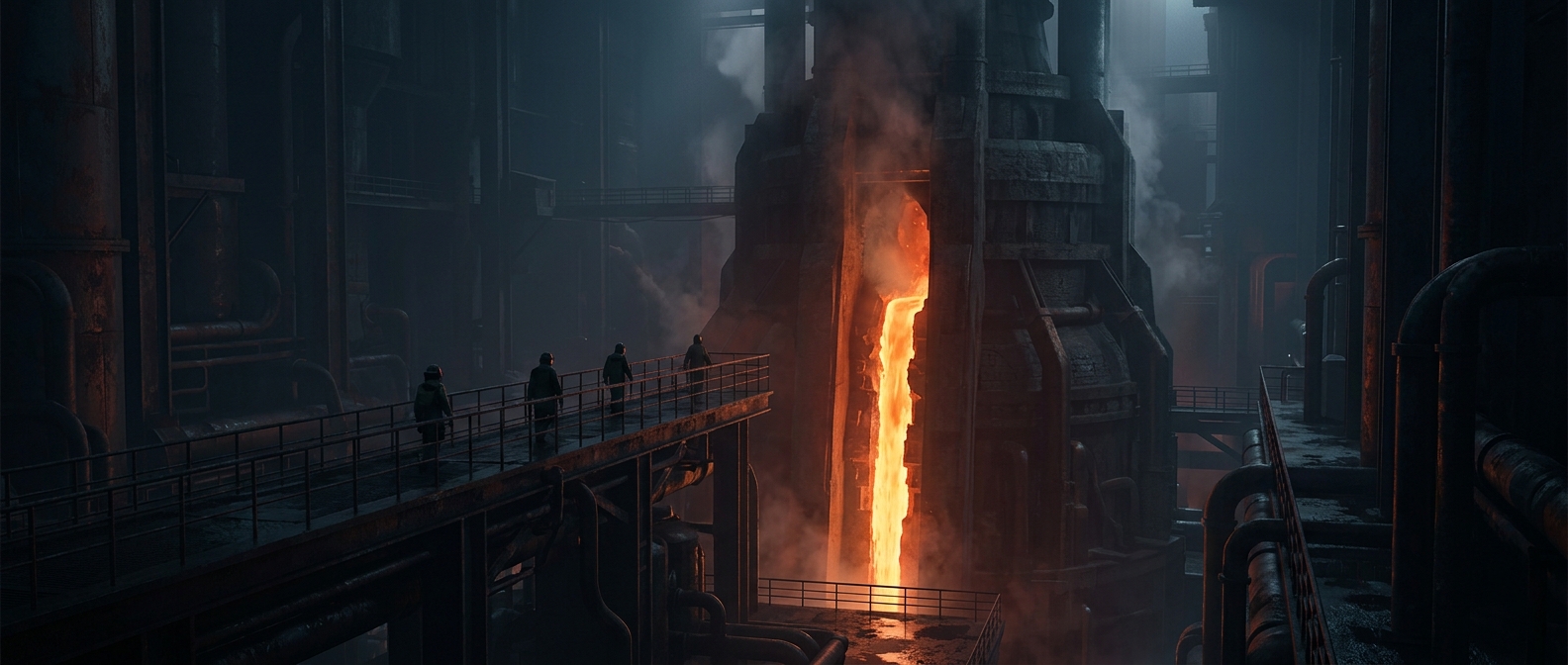
Why a blast furnace is kept hot
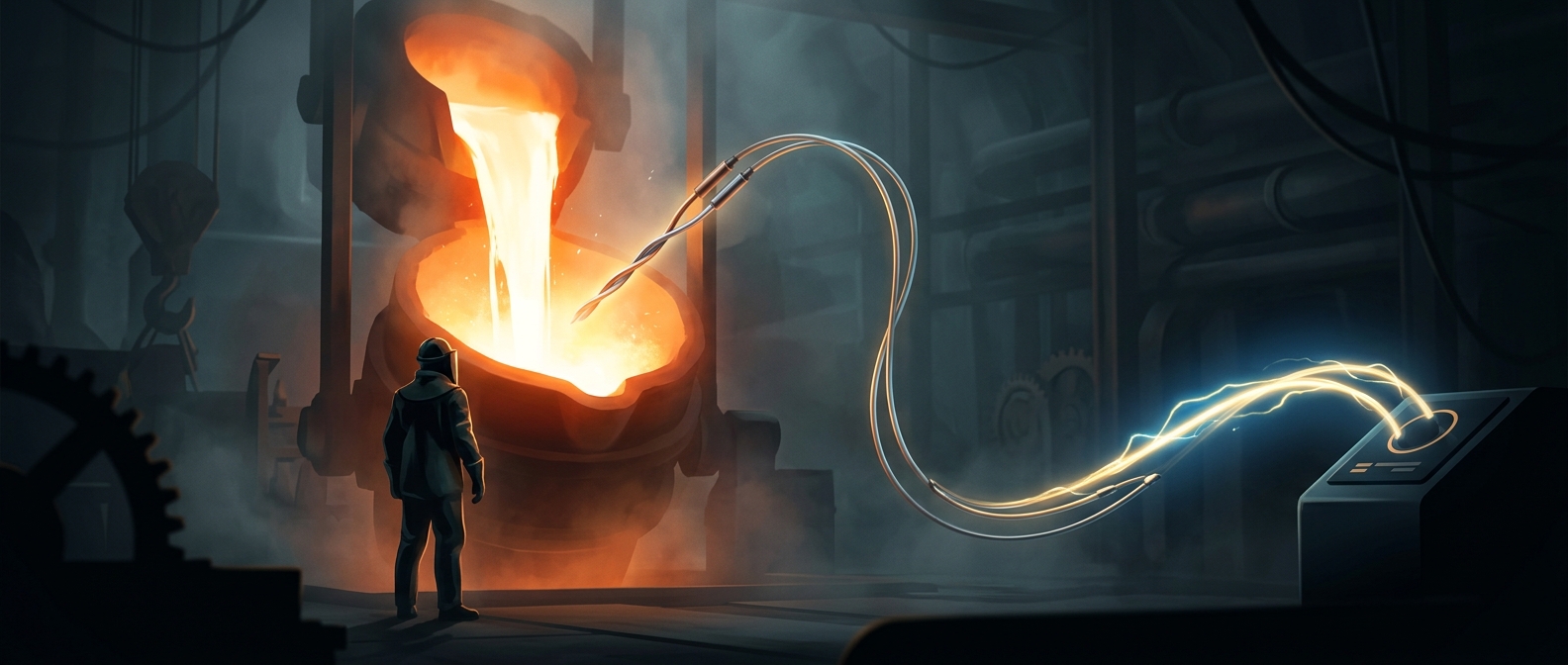
A blast furnace makes iron by charging iron ore, coke, and other materials from the top while sending hot air in near the bottom. The coke burns, generating the heat and gases that help strip oxygen from the ore. Molten iron and slag collect below and are tapped off, while fresh material continues to descend. The furnace is designed to operate as a steady, high-temperature process—not to be switched on and off like ordinary equipment.
Its inner lining is made of refractory materials, which are built to withstand intense heat and contact with molten metal. But the lining and the furnace’s massive structure respond differently as temperatures change. During cooling, they contract; uneven contraction can open cracks or loosen sections of the lining. A damaged lining can expose the furnace shell to heat it is not meant to endure.
A shutdown is an industrial project
Stopping production does not simply mean turning off the air. Operators must manage the remaining hot metal and fuel, then cool an enormous structure in a controlled way. Restarting also takes time: the furnace must be brought back to working temperature without imposing damaging thermal stress. A planned shutdown can be necessary for repairs, but it is costly and carefully managed.
That is why operators try to keep a furnace running steadily and schedule major work around the condition of its lining. Eventually, wear makes extensive repair or relining necessary. Until then, avoiding repeated cooling and reheating helps protect the furnace—and keeps a continuous stream of iron moving through the plant.