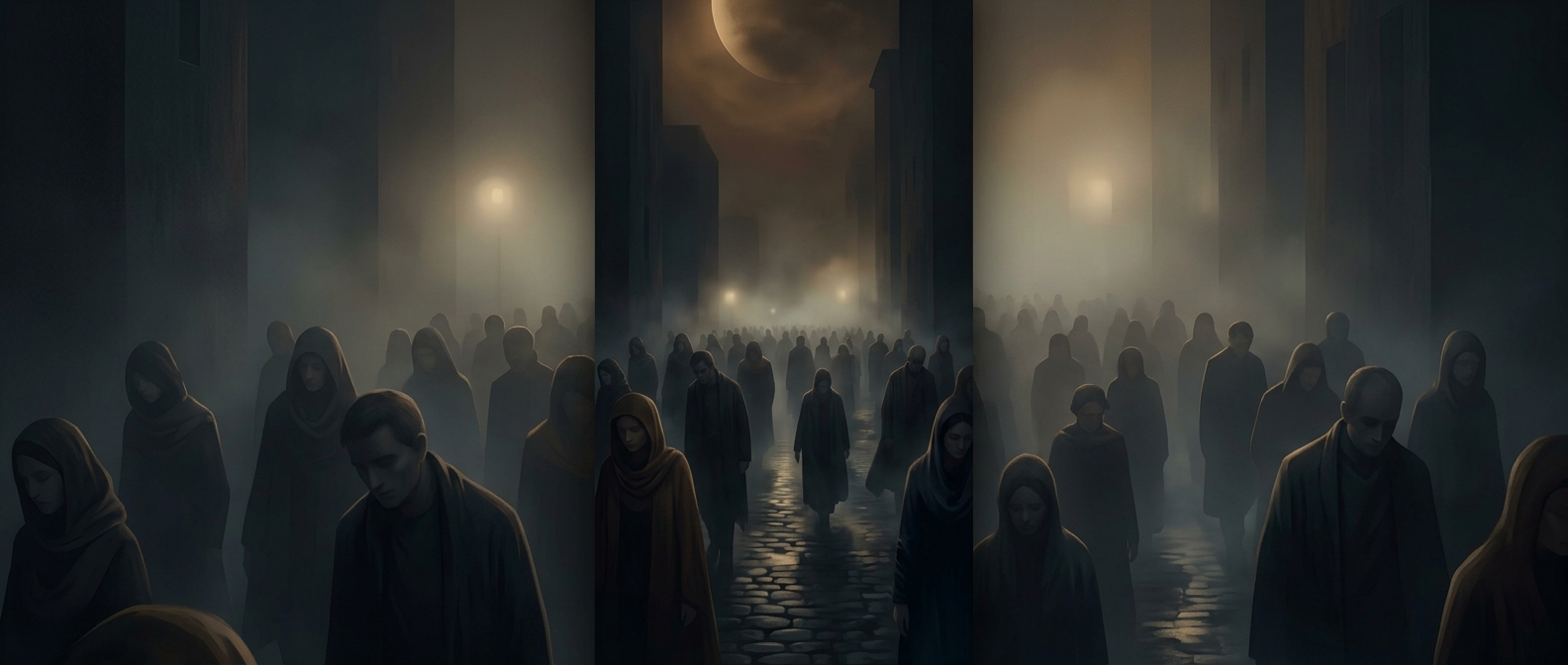
The opening line distinguishes the Way from its description
The Tao Te Ching begins by saying that a Tao—the “Way” or underlying course of things—that can be put into words is not the enduring Tao. The point is not that every sentence is false or that thought should stop. It is that a description is not the reality it describes. Words divide experience into named things; the Way, in this passage, is what those divisions cannot fully contain.
The next line extends the idea to names: a name that can be fixed is not an enduring name. Naming is useful, but it can make a changing world seem settled and separate. Calling something “good,” “strong,” or “successful,” for example, also frames it against other possibilities. The text warns readers not to mistake such labels for the whole of what is.
Why begin a book with a limit on language?
The paradox is deliberate: the text uses words to caution against relying on words alone. Rather than canceling its own teaching, the opening sets expectations for how to read it. Its short, suggestive lines are prompts for attention, not a complete map of reality. Readers are invited to notice what concepts leave out, especially when they try to force life into rigid categories or plans.
That tension helps explain why the Tao Te Ching has been read as both a philosophical text and a guide to living. Its opening does not offer a loophole that makes the book immune to disagreement. It offers a discipline of modesty: speak and think when useful, but remember that the living process being described always exceeds the description.