Ouspensky’s “Sleep” Was a State of Automatic Living
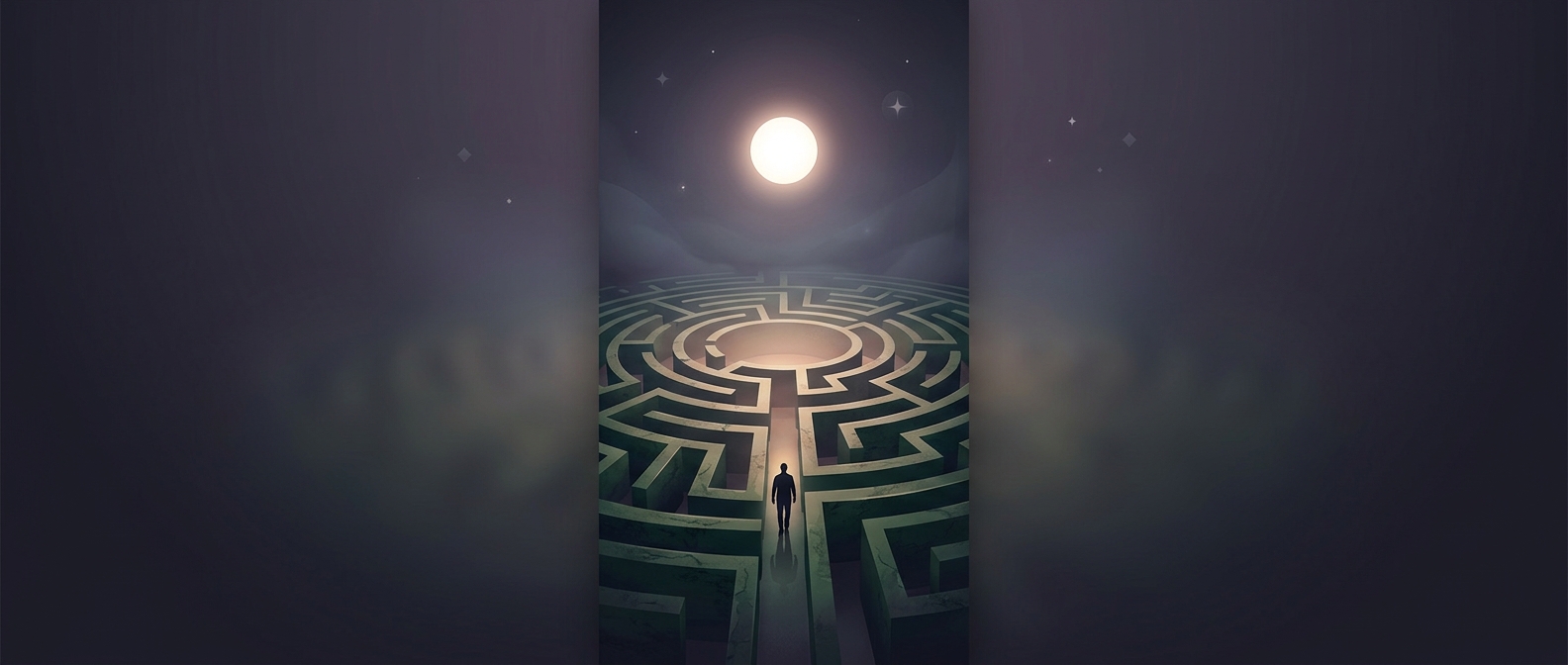
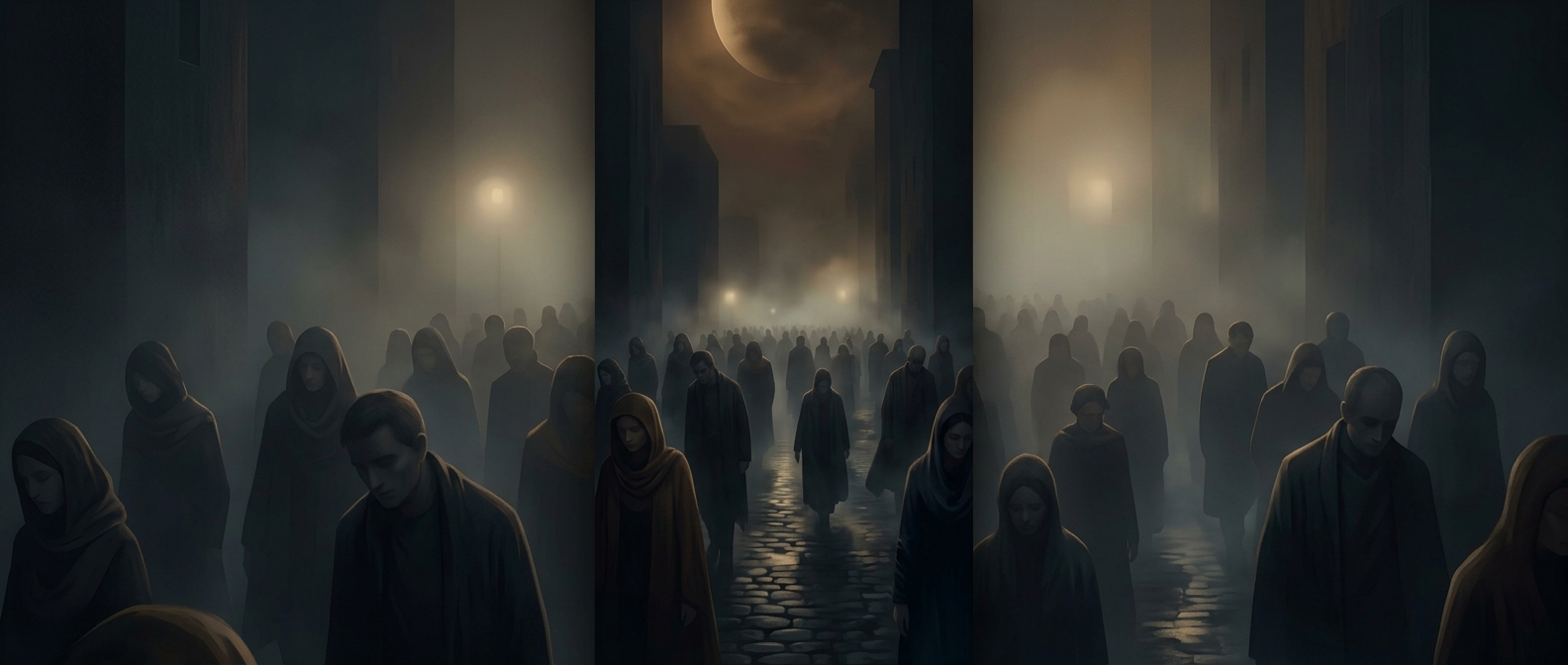
When the Russian writer and teacher P. D. Ouspensky said that people were asleep, he meant they were awake in the ordinary physical sense but rarely directing their attention deliberately. In his account, a person might react to praise, irritation, or fear as if following a preset script—then mistake the reaction for a fully considered choice.
This was a central idea in the system he taught, often called the Fourth Way and closely associated with his teacher, G. I. Gurdjieff. The claim was not that people lacked intelligence or consciousness altogether. It was that attention and intention were usually fragmented: thoughts, emotions, and habits could take turns steering behavior without a stable sense of “I” overseeing them.
Why an Awakening Had to Be Practiced
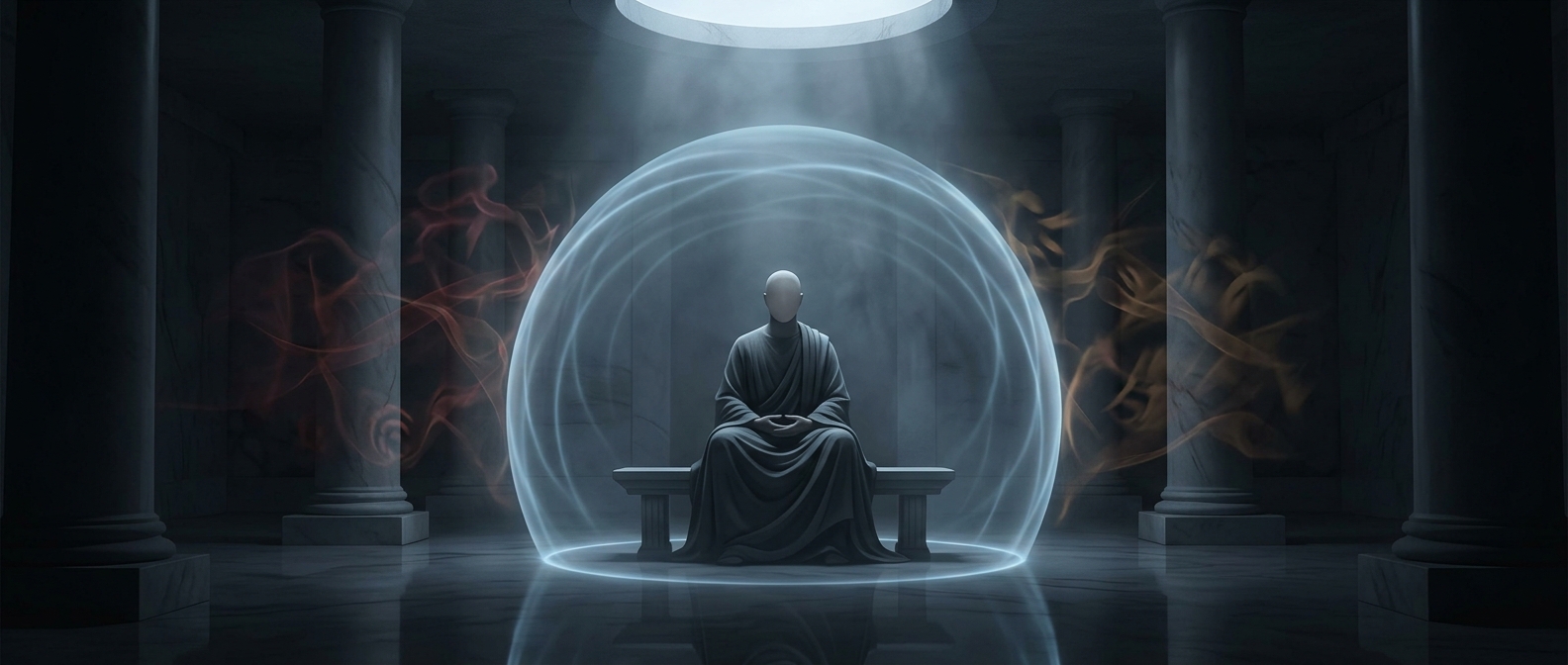
Ouspensky’s proposed remedy was sustained self-observation: noticing what one is thinking, feeling, and doing while it happens, rather than only explaining it afterward. A related practice, “self-remembering,” meant trying to remain aware both of the situation and of oneself within it. The aim was not simply to monitor behavior, but to interrupt the reflex that makes an impulse feel like a deliberate decision.
He presented this as difficult work, not a sudden inspirational insight. In the system’s terms, ordinary attention slips back into habit, so a moment of clarity does not permanently transform a person. Awakening meant making that attention more stable through effort and practice.
That distinction explains the force of Ouspensky’s metaphor: if people act automatically, they may keep repeating patterns while believing they are freely choosing them. Whether or not one accepts his spiritual framework, the practical question it leaves behind is pointed: in a familiar reaction, how much of the response was actually chosen?