What “strict dualism” separates
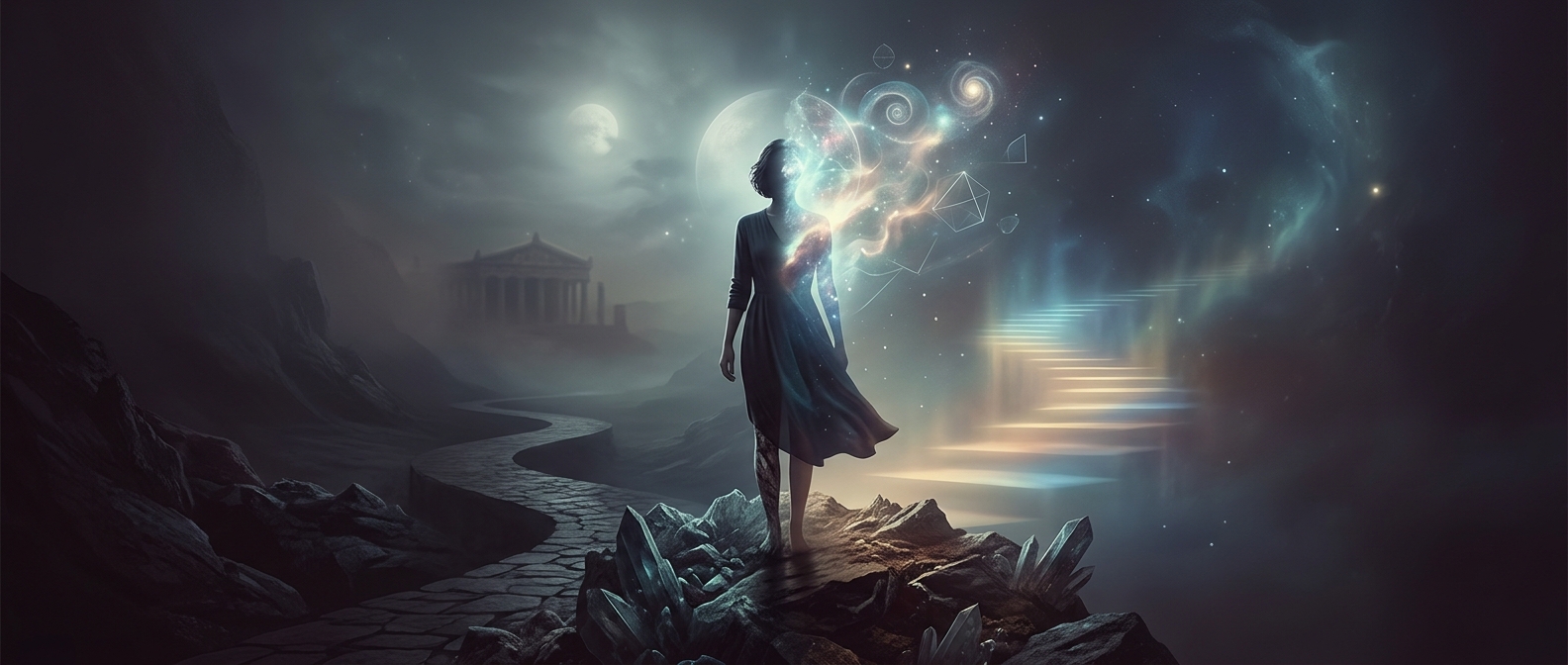
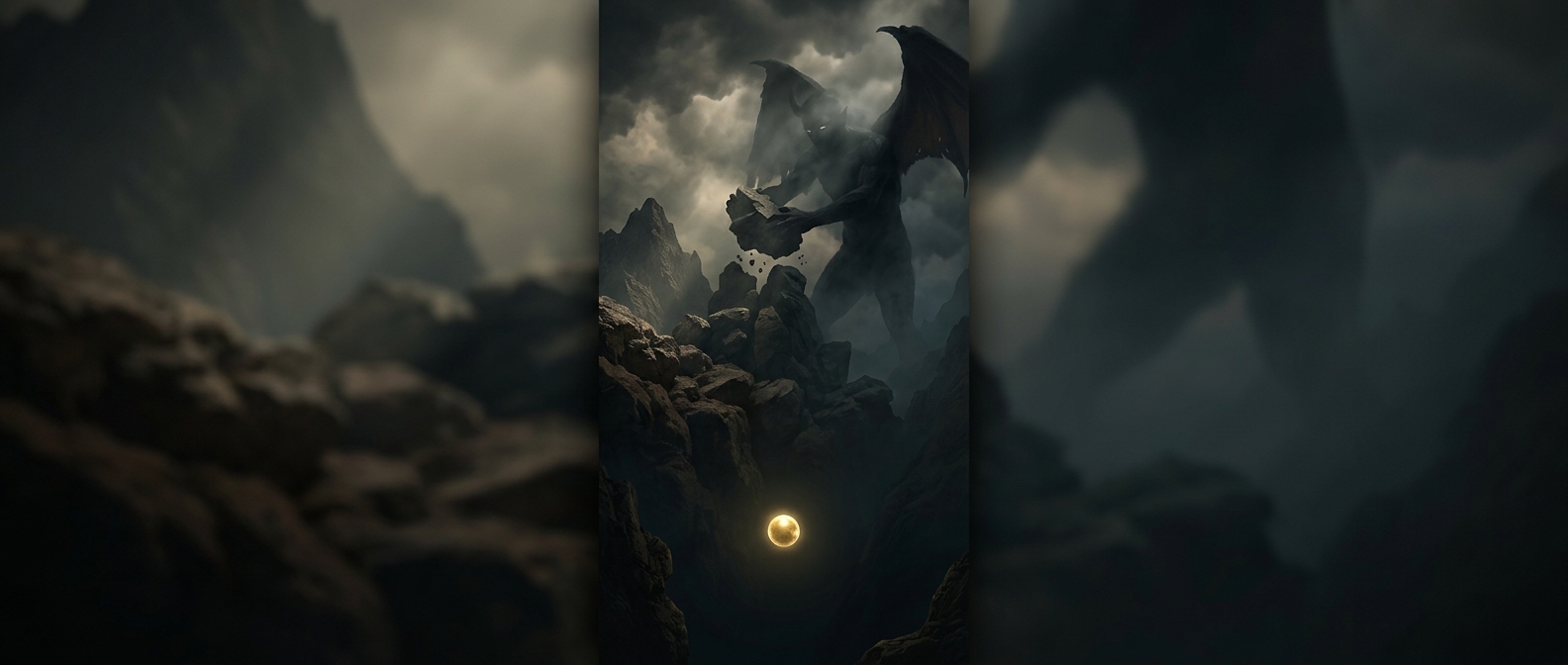
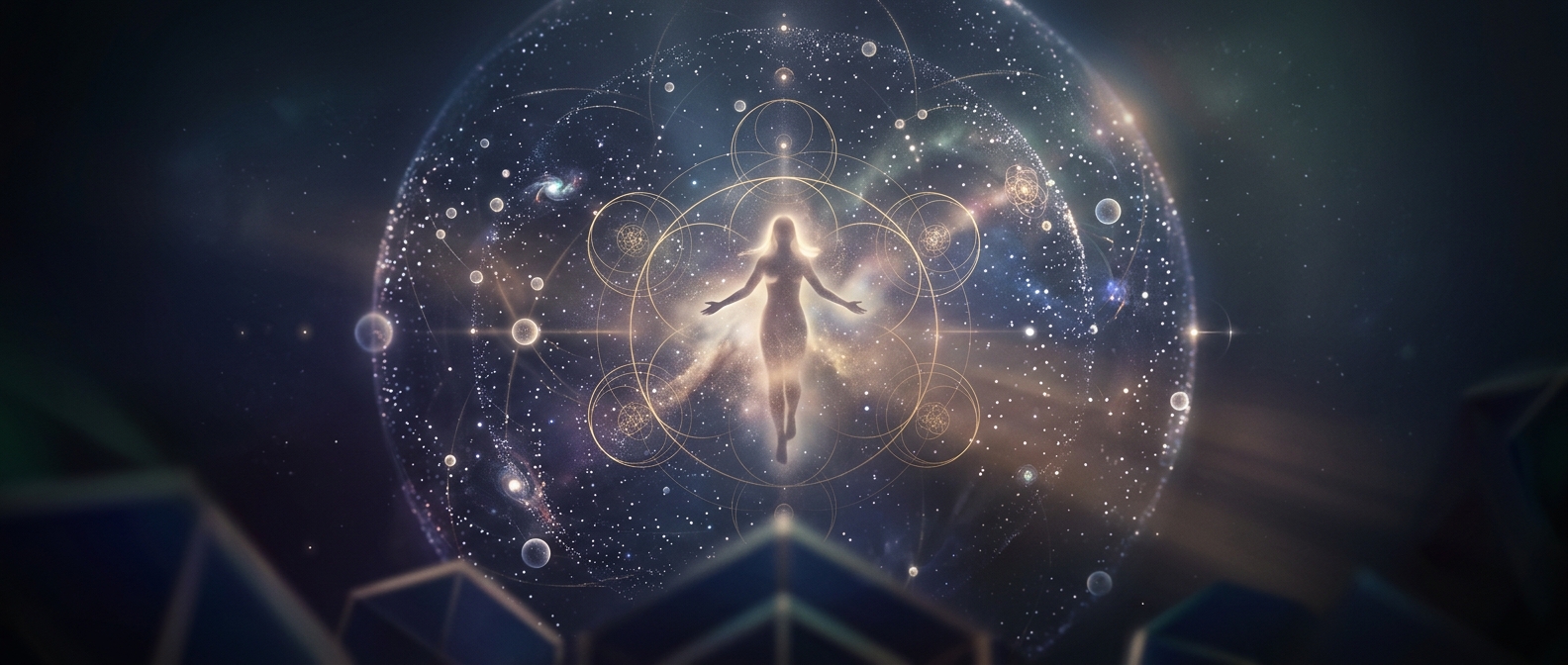
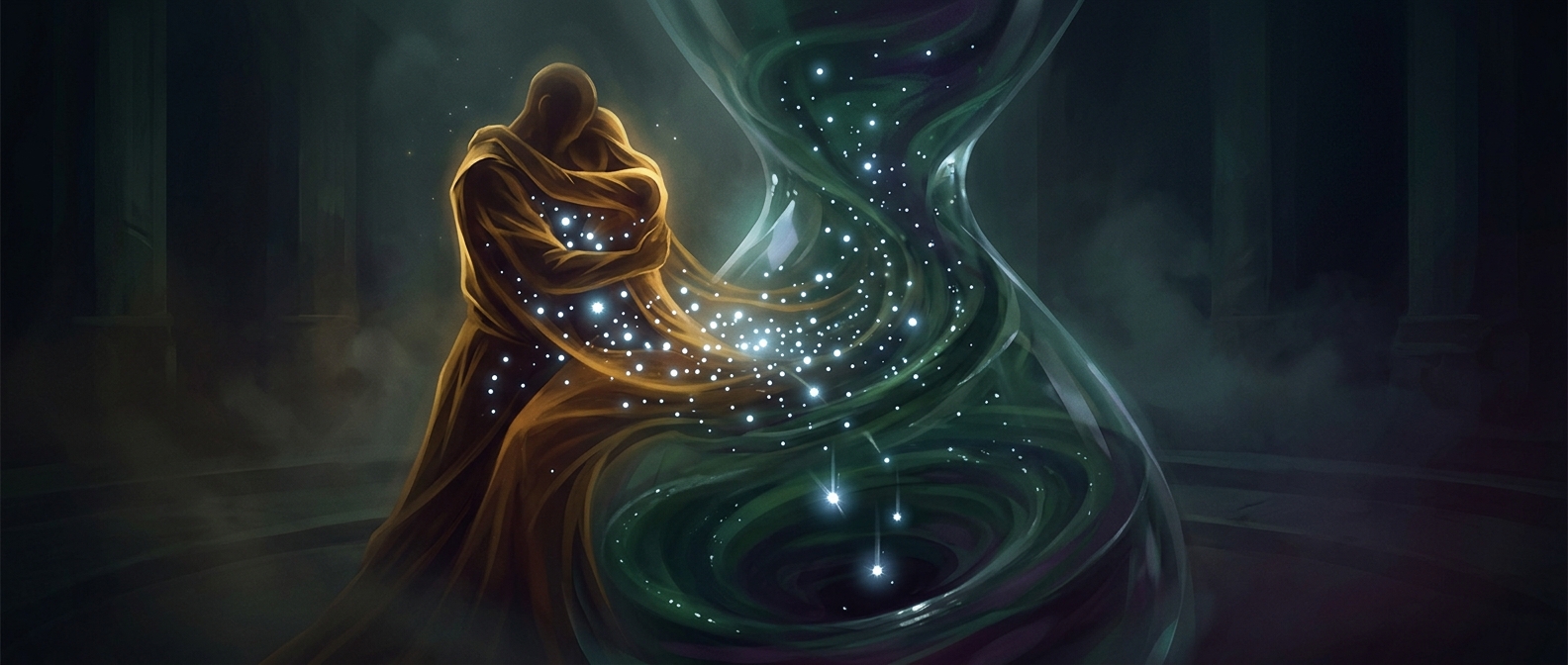
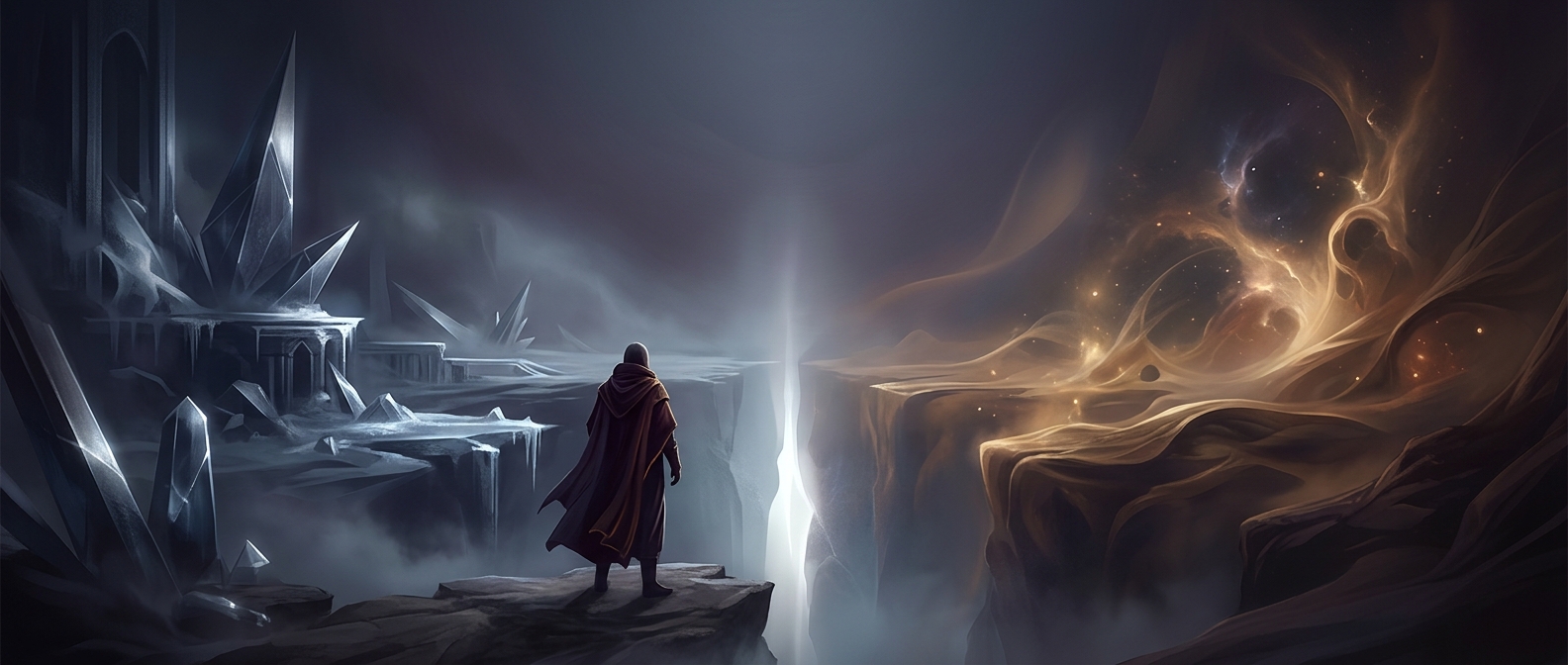
Strict dualism treats two principles as fundamentally distinct—not as different moods, stages, or sides of one underlying reality. In a mystical worldview, those principles might be pictured as light and darkness, or expressed through contrasts such as spirit and matter. The images make an abstract claim vivid: reality is structured by a deep opposition that cannot simply be dissolved into a single source.
That is stronger than saying the world contains conflict. In ordinary conflict, opposing forces may share the same world and eventually reconcile. In strict dualism, each side has its own character and remains set against the other.
Why the opposition matters
This division can shape how a person interprets everyday experience. Suffering, temptation, or ignorance may be understood not merely as problems to solve but as signs of alignment with one side of a larger spiritual struggle. Practices of discipline, insight, or purification can then be framed as ways to turn toward one principle and away from the other.
The light-and-darkness image is especially memorable because it turns an invisible metaphysical distinction into something people can picture. But it is an image, not a universal definition: dualist traditions differ in what their two principles are and how they relate. The defining idea is the irreducible divide, not any one pair of symbols.
A worldview with consequences
When the divide is treated as absolute, it can make moral and spiritual choices feel consequential on a cosmic scale. It can also encourage a sharp separation between what is regarded as pure and what is regarded as corrupt. The result is more than a metaphor for good and evil: it is a way of explaining why reality feels divided—and why a person’s path through it might be understood as choosing a side.