Pleroma: Divine Fullness Beyond the World
In Gnostic traditions, Pleroma means “fullness”: the complete realm of divine reality. It is not simply a place in the sky. The term names the totality of divine life, often understood as a realm of spiritual beings and qualities that emanate from the highest God.
Why the Material World Is Separate
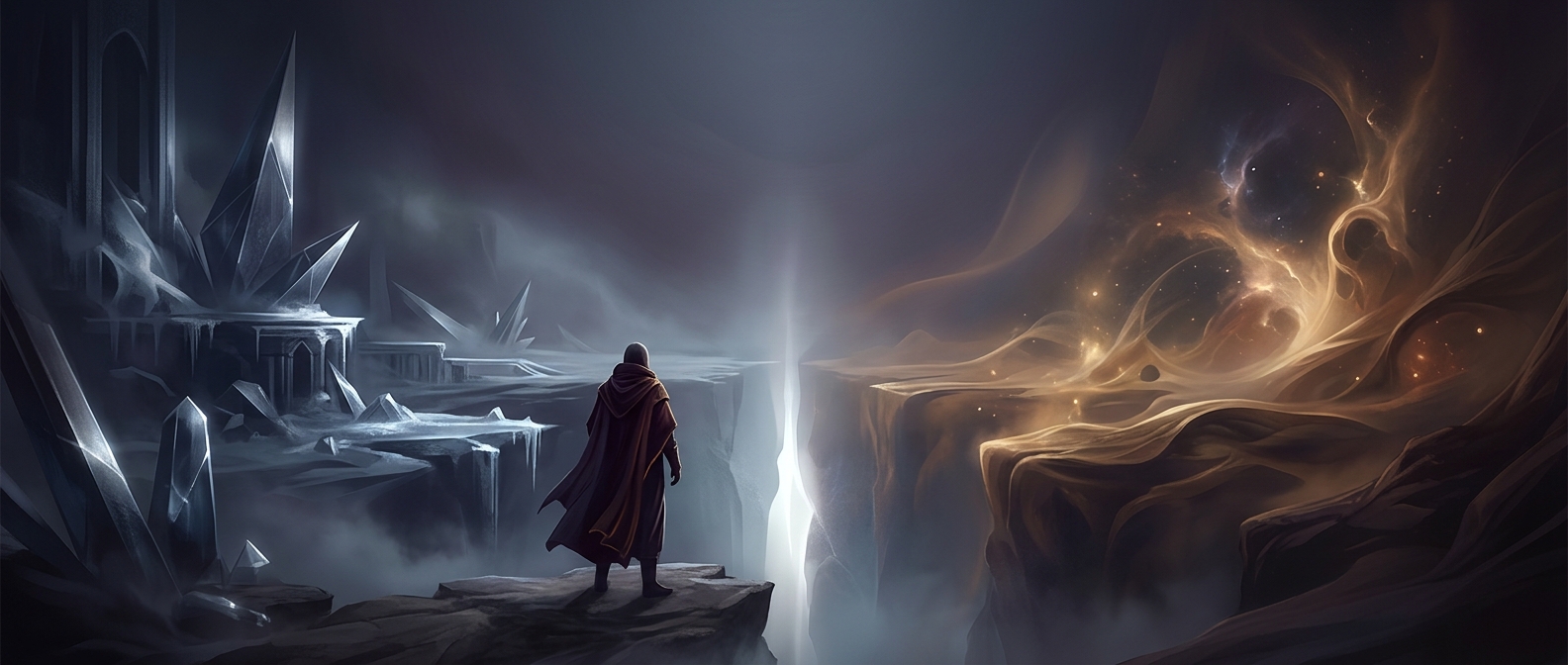
Many Gnostic accounts distinguish this fullness from the material cosmos. The world people experience is changeable and imperfect, unlike the complete divine realm. Some accounts explain the divide through a lesser creator figure, often called the Demiurge, who shapes the material world without possessing the highest divine knowledge. This is a feature of particular Gnostic systems, not a single doctrine shared by every group.
That distinction gives Pleroma its force: it represents not just a better place, but a different order of existence. What is divine is whole and unchanging; what is material is limited and subject to change.
The Human Search for Return
In some Gnostic teachings, a spiritual element within people belongs to the divine fullness but has become entangled in material life. Knowledge—often called gnosis, or direct spiritual insight—can awaken that sense of origin and orient a person toward return to the divine realm. The point is not that ordinary learning physically transports someone elsewhere, but that recognizing the spiritual source changes how the material world is understood.
Pleroma therefore turns a cosmic contrast into a personal one: the question is whether human life is defined by the imperfect world around it or by a deeper connection to divine fullness.