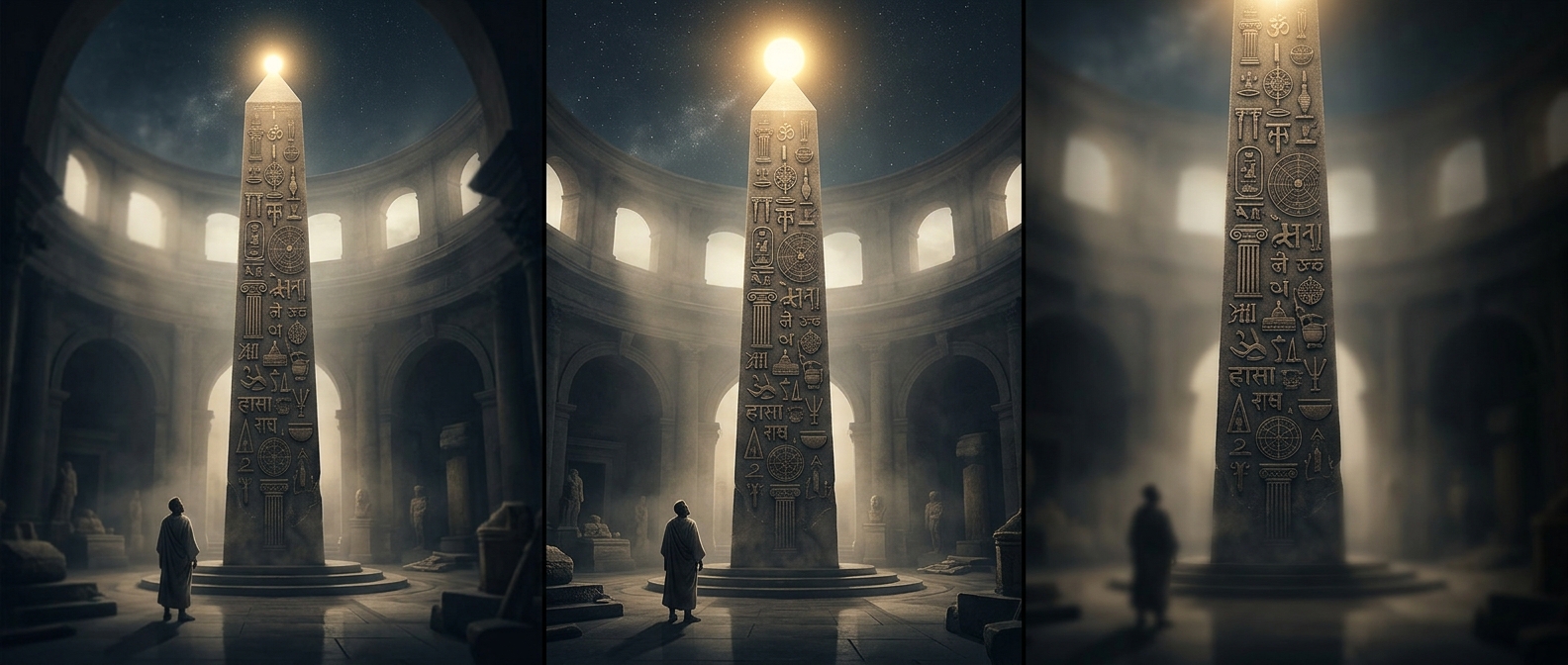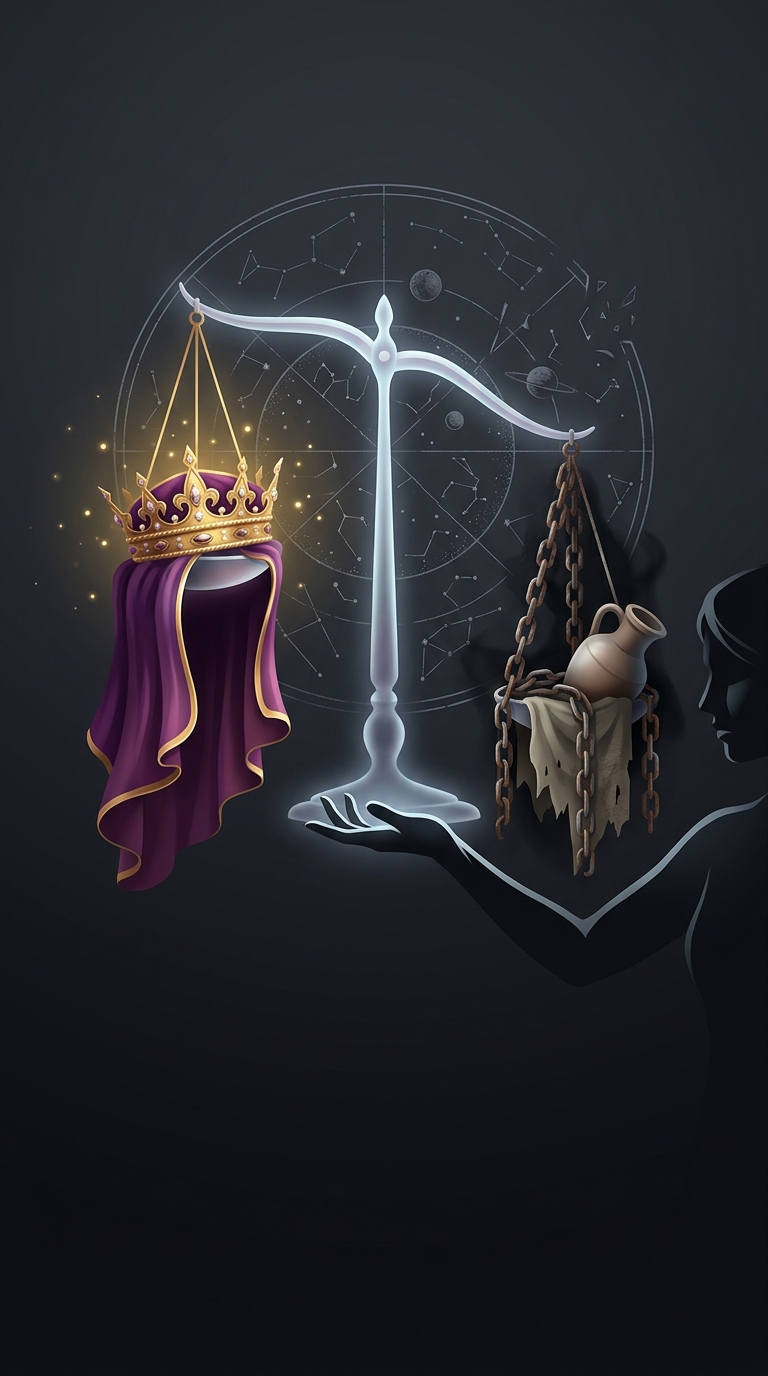
The idea beneath religious differences
Perennialism is not usually the claim that every religion teaches the same doctrines or practices. It is the view that diverse traditions point, in different languages and symbols, toward a shared spiritual reality or insight. The differences are treated as meaningful expressions of that deeper truth—not proof that the traditions are interchangeable.
A perennialist might compare teachings about compassion, self-discipline, or the limits of ordinary selfhood and see them as paths toward a common understanding. But the traditions may explain those ideas through very different accounts of God, the soul, liberation, or life after death. Perennialism places the greatest weight on the proposed underlying experience or truth, rather than on agreement about every teaching.
Huxley’s synthesis—and its tradeoff
In The Perennial Philosophy (1945), Aldous Huxley gathered ideas from multiple religious traditions to argue for a recurring spiritual core. His approach makes comparison possible: readers can look for patterns across traditions instead of studying each one in isolation.
That same move has a cost. To identify a common core, a writer must decide which teachings are central and which are particular to a tradition. Practitioners may see those particular teachings not as decorative differences, but as essential to what their religion means. Perennialism is therefore a way of interpreting religious diversity, not a neutral claim that the religions are identical. Its lasting question is whether similarities reveal one shared truth—or whether the act of comparison has made distinct traditions look more alike than they are.