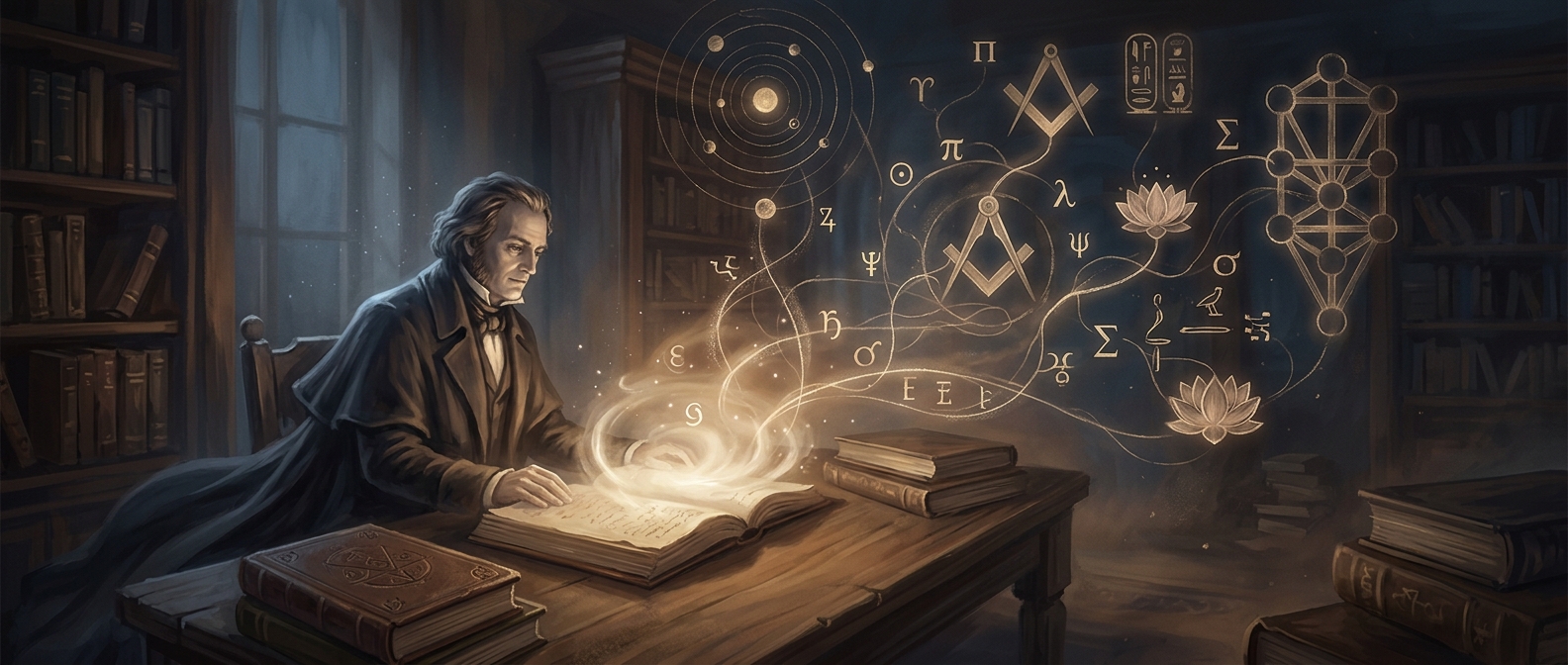
Modernity as a spiritual decline
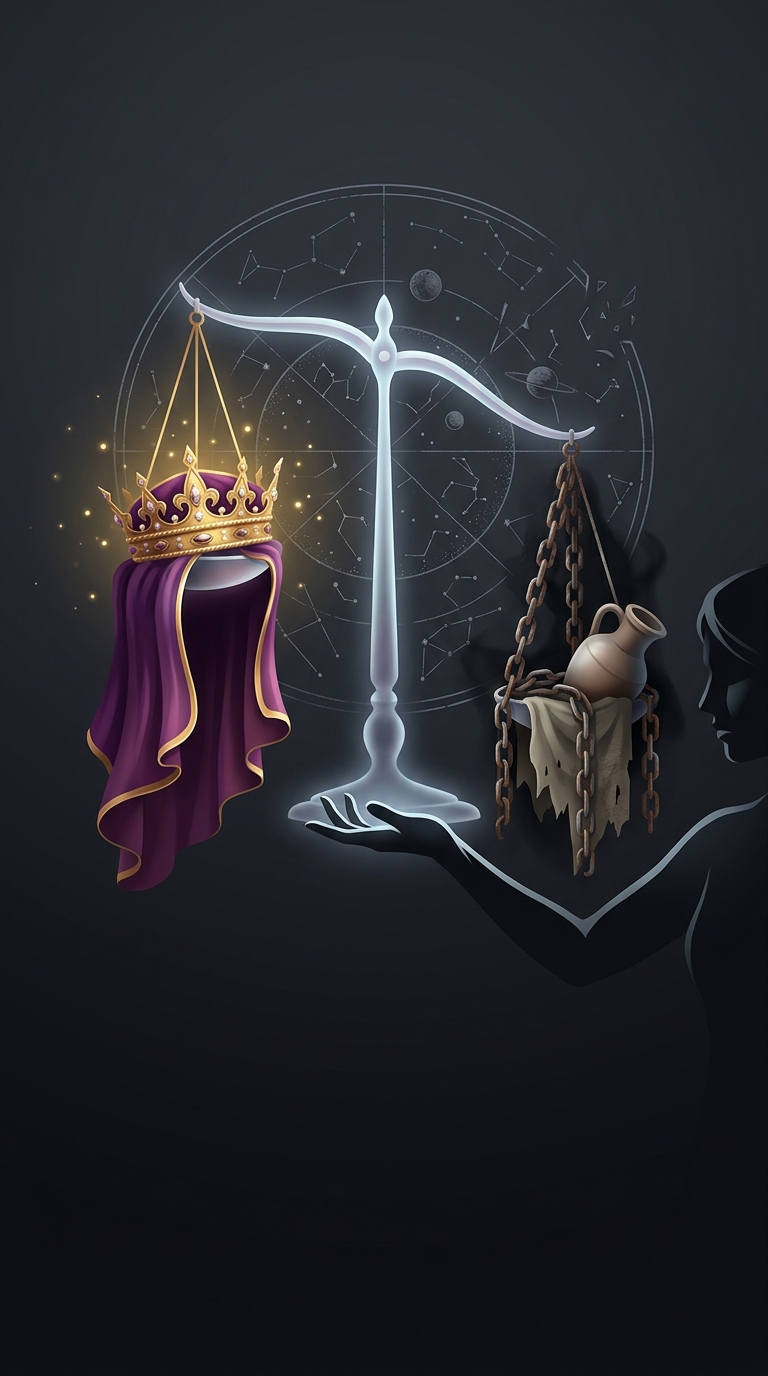
René Guénon (1886–1951), a French writer associated with Traditionalism, treated modern society as more than a new stage of technology or politics. In his view, it marked a decline in humanity’s grasp of spiritual reality. Industrial production, scientific materialism, and the growing authority of individual opinion were symptoms of a deeper change: society was organizing itself around measurable, material things while losing sight of what he regarded as higher, unchanging truths.
That was a metaphysical judgment, not a claim that every older society was peaceful or that every modern invention was harmful. Guénon’s central contrast was between a civilization ordered by sacred principles and one that treated the material world as the main measure of what is real.
The cycle behind the argument
Guénon drew on the traditional Hindu idea of successive cosmic ages, often described as a gradual movement away from a primordial age of spiritual clarity. He understood the modern period as a late, degraded phase in that cycle. “Decline,” in this framework, did not mean simply that life had become harder; it meant that spiritual knowledge had become less central and less accessible.
This helps explain why he criticized modernity so broadly. The factory, the laboratory, and the modern state were not interchangeable evils in his writing. They belonged to a world-view that prized quantity, practical control, and human autonomy over spiritual authority and inherited forms of knowledge.
What the critique was meant to do
Guénon was not proposing a better industrial policy. He wanted readers to recognize what he saw as the limits of modern assumptions and to seek authentic spiritual traditions. His argument remains distinctive because it recasts familiar signs of progress—greater production, technical power, and individual choice—as evidence of a civilizational loss. Whether or not one accepts his cosmic account, that reversal is the key to understanding his critique.