A divine order, not simply a place in the sky
“Pleroma” comes from a Greek word meaning “fullness.” In several Gnostic systems, it names the complete divine reality beyond the changeable world people experience. It is not necessarily imagined as a physical location. Rather, it is a way to describe the perfect source and order from which spiritual reality flows.
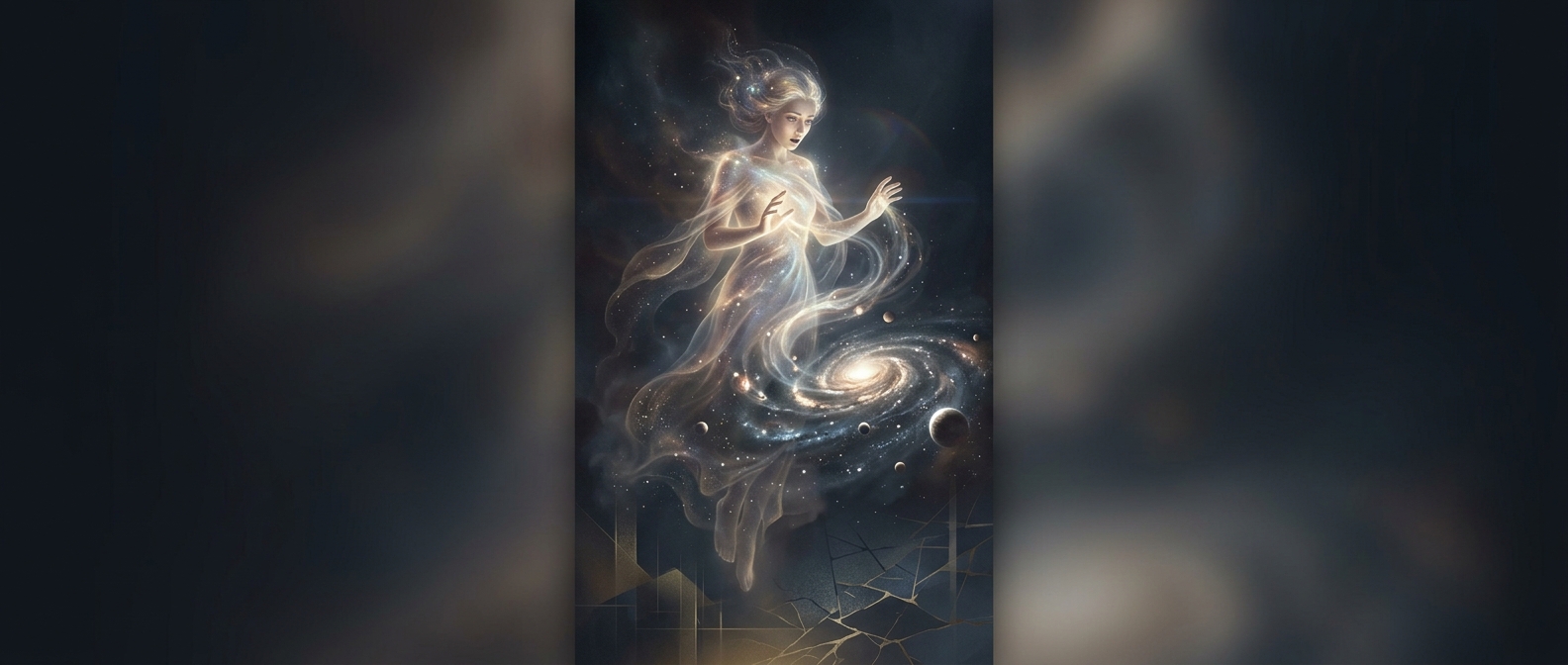
Some accounts populate this fullness with aeons—divine powers or emanations, often described in paired relationships. The details differ among texts and traditions, so there is no single Gnostic map of the Pleroma. The recurring contrast is between divine completeness and a material world seen as limited, unstable, or separated from its source.
Why the gap matters
In certain Gnostic creation stories, a disruption involving a divine figure—often Sophia, whose name means “wisdom”—helps explain how a flawed material order came to exist. These stories are not all the same, but they make the distance between the Pleroma and the world a central problem: how can anything divine be caught in a realm that does not reflect divine fullness?
One answer is gnosis, or transformative knowledge: recognizing a hidden connection to the divine source. In traditions that teach this, salvation is less about earning entry to a better earthly life than awakening to where spiritual life came from. The Pleroma therefore functions as more than an elite afterlife. It is the standard against which the world’s incompleteness—and the possibility of returning beyond it—is understood.