Kenoma and the idea of cosmic emptiness
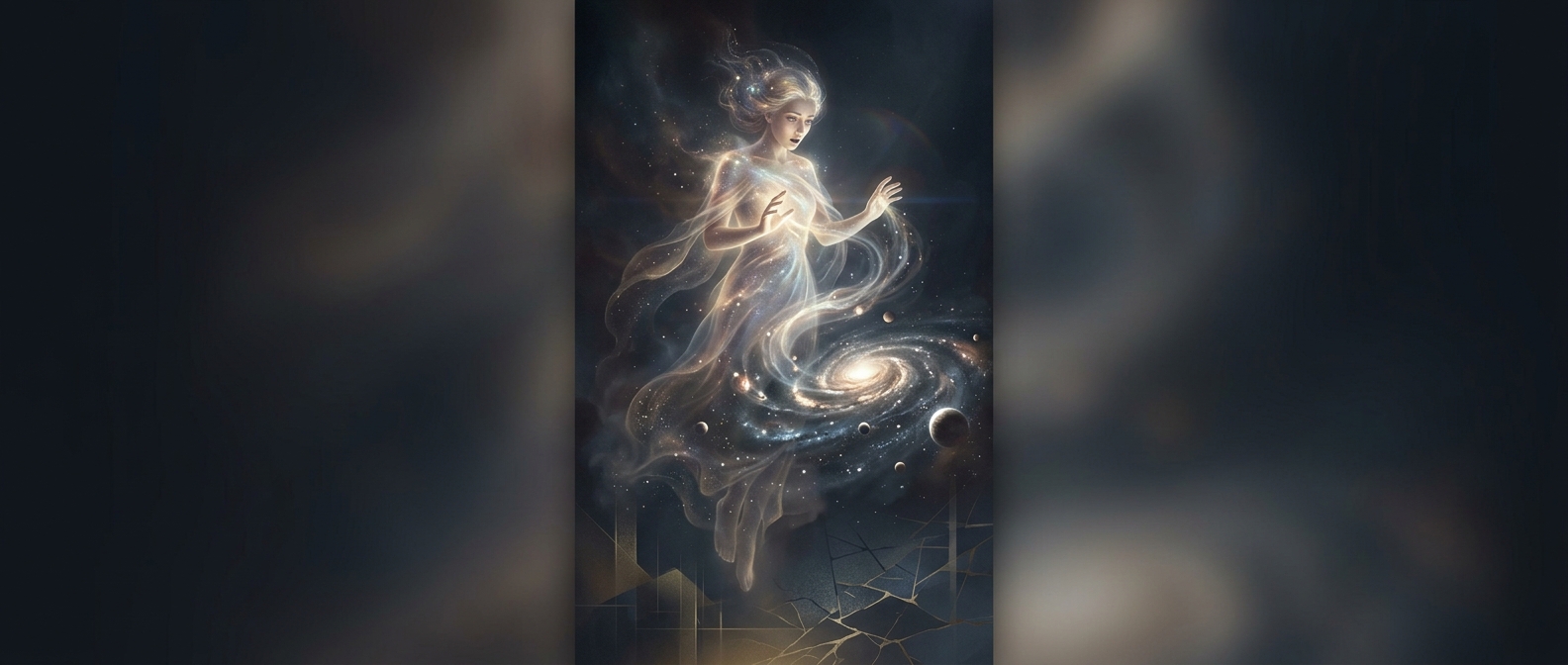
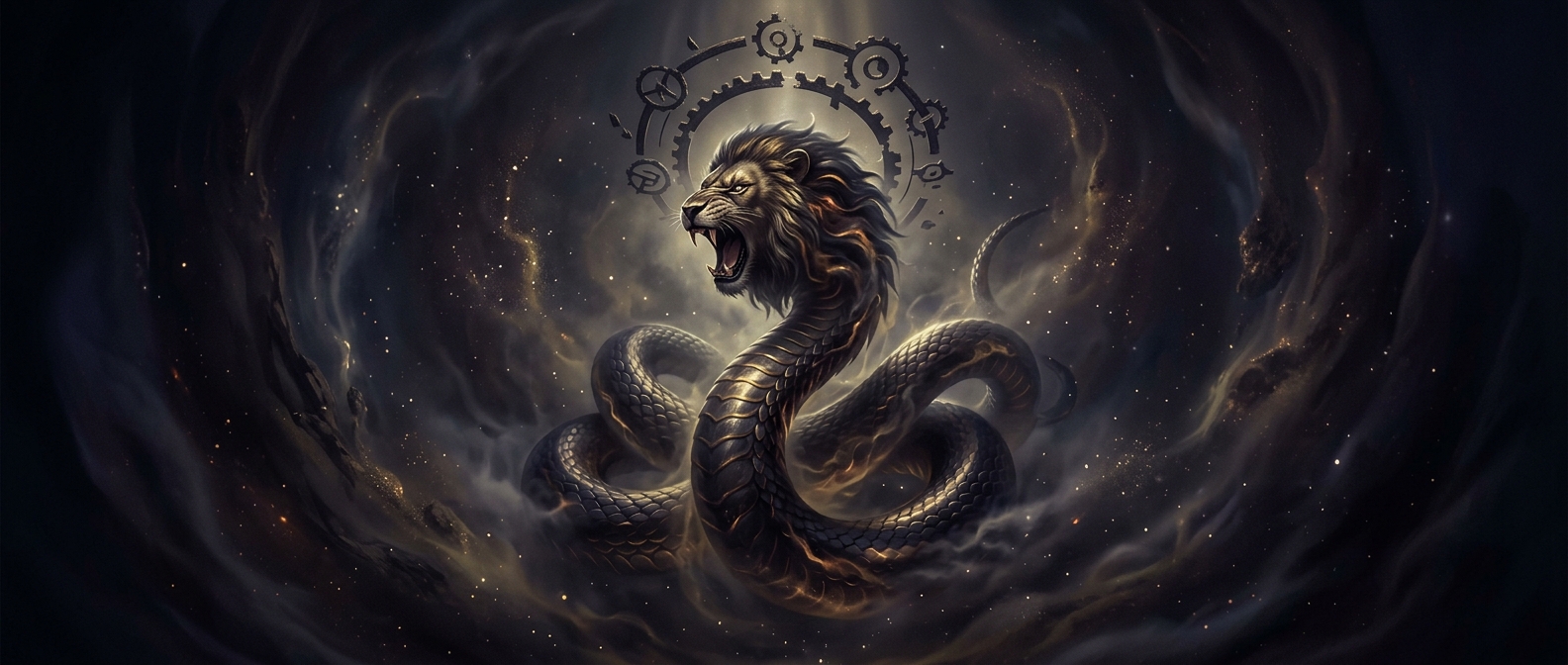
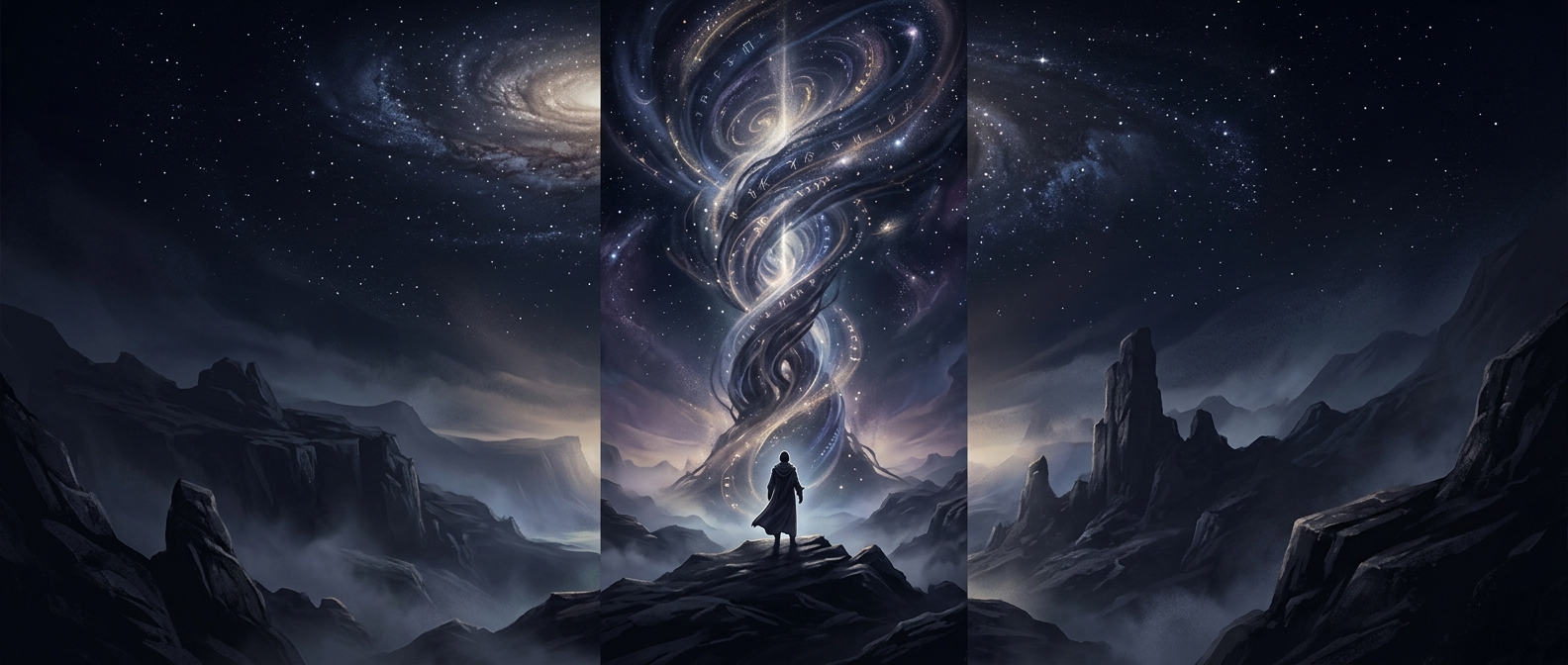
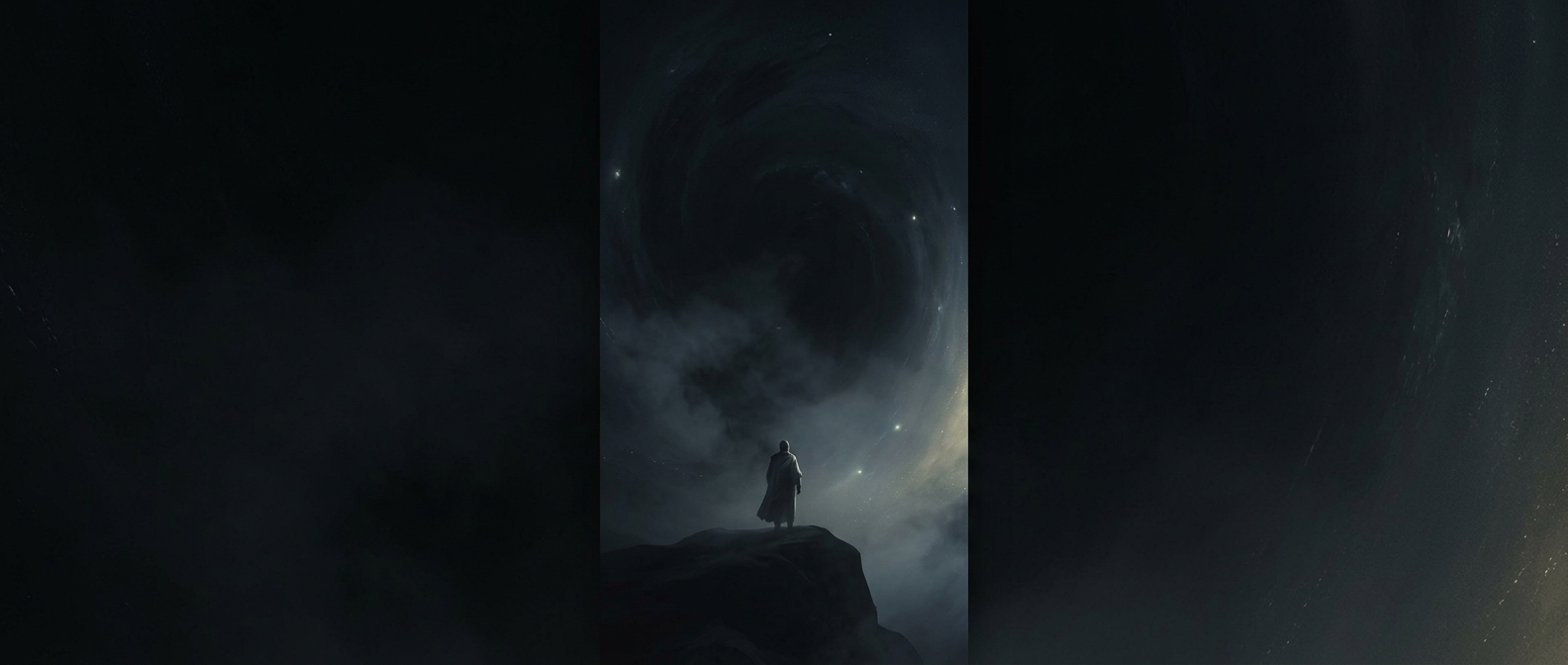
In some Gnostic and related esoteric cosmologies, kenoma means “emptiness” and is set against pleroma, or “fullness”: the divine realm understood as complete with light, life, or spiritual power. The contrast gives the cosmos a moral and spiritual geography. Kenoma is not simply a blank region on a map; it represents existence apart from that divine completeness.
A boundary with spiritual meaning
This distinction helps explain why a tradition might portray ordinary existence as distant from the divine. The kenoma marks a condition of separation or lack, while the pleroma stands for the fullness from which spiritual life is imagined to come. In some versions of these cosmologies, the material world is associated with that distance, though accounts differ and the terms do not carry one fixed meaning across every tradition.
The image of a void therefore does more than describe what lies “beyond” divine light. It gives spiritual absence a place in the structure of the universe: the cosmos becomes a story about fullness, separation, and the possibility of return.