Sophia’s error and the making of a lower world
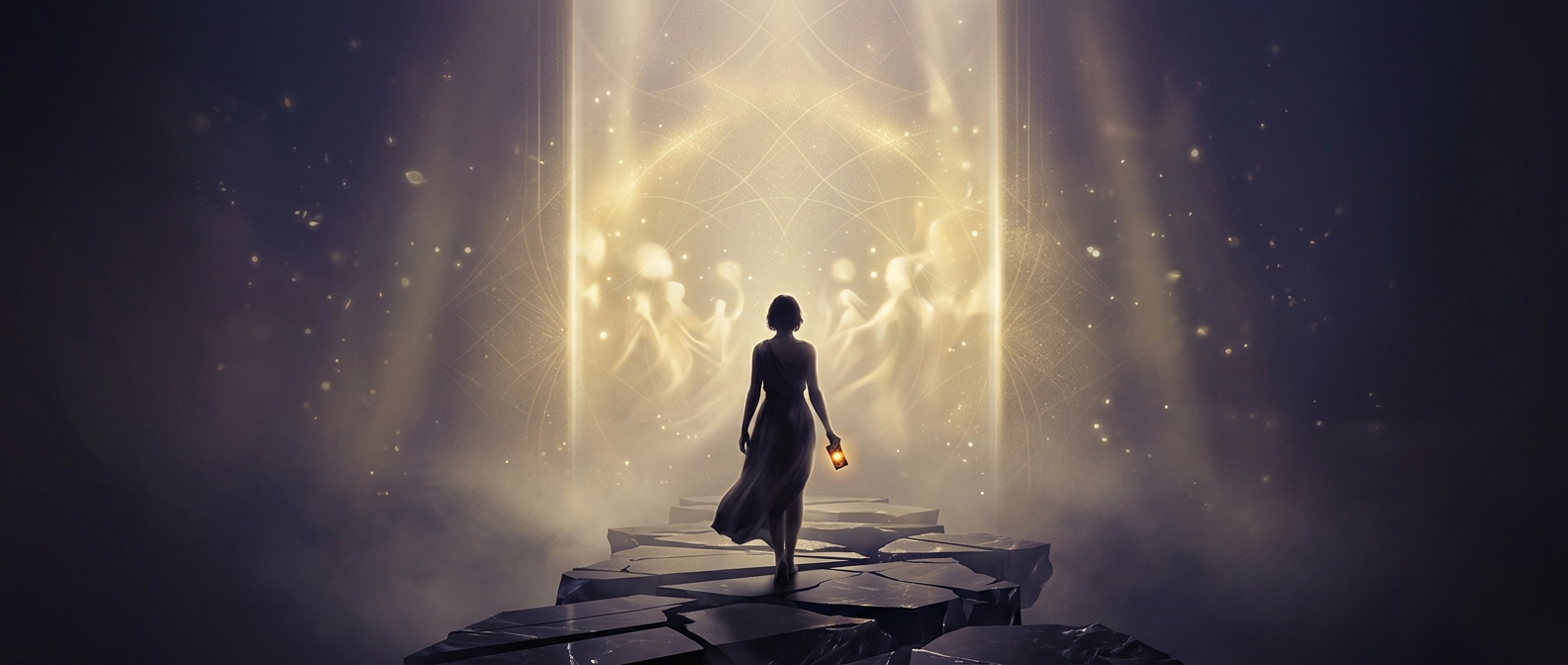
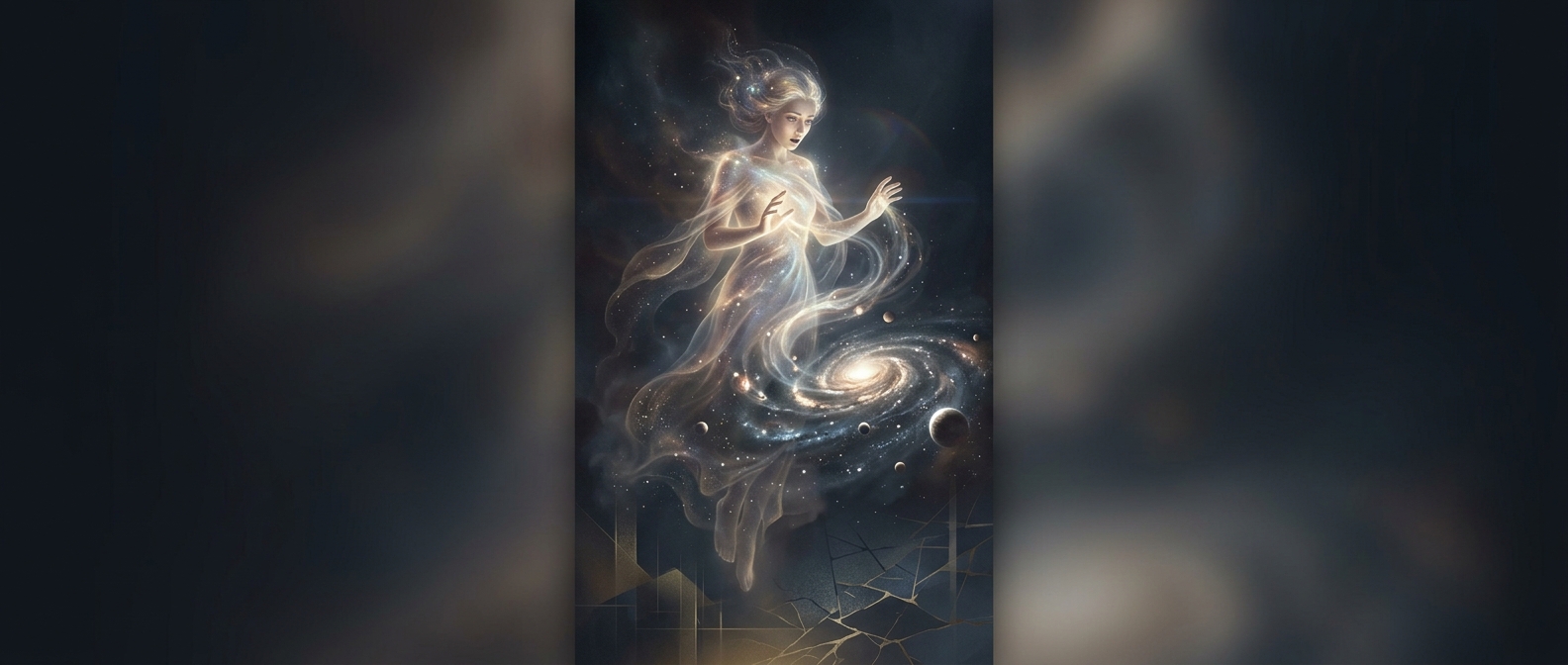
In some Gnostic creation stories, the material universe begins not with a deliberate act of creation but with a rupture in the divine order. Sophia—whose name means “wisdom”—is one of the spiritual beings, or aeons, in the divine realm. She acts apart from the order that normally governs their generation. The story treats that irregular act as the start of a chain of consequences, not as a simple decision to make a world.
How the mistake becomes a cosmos
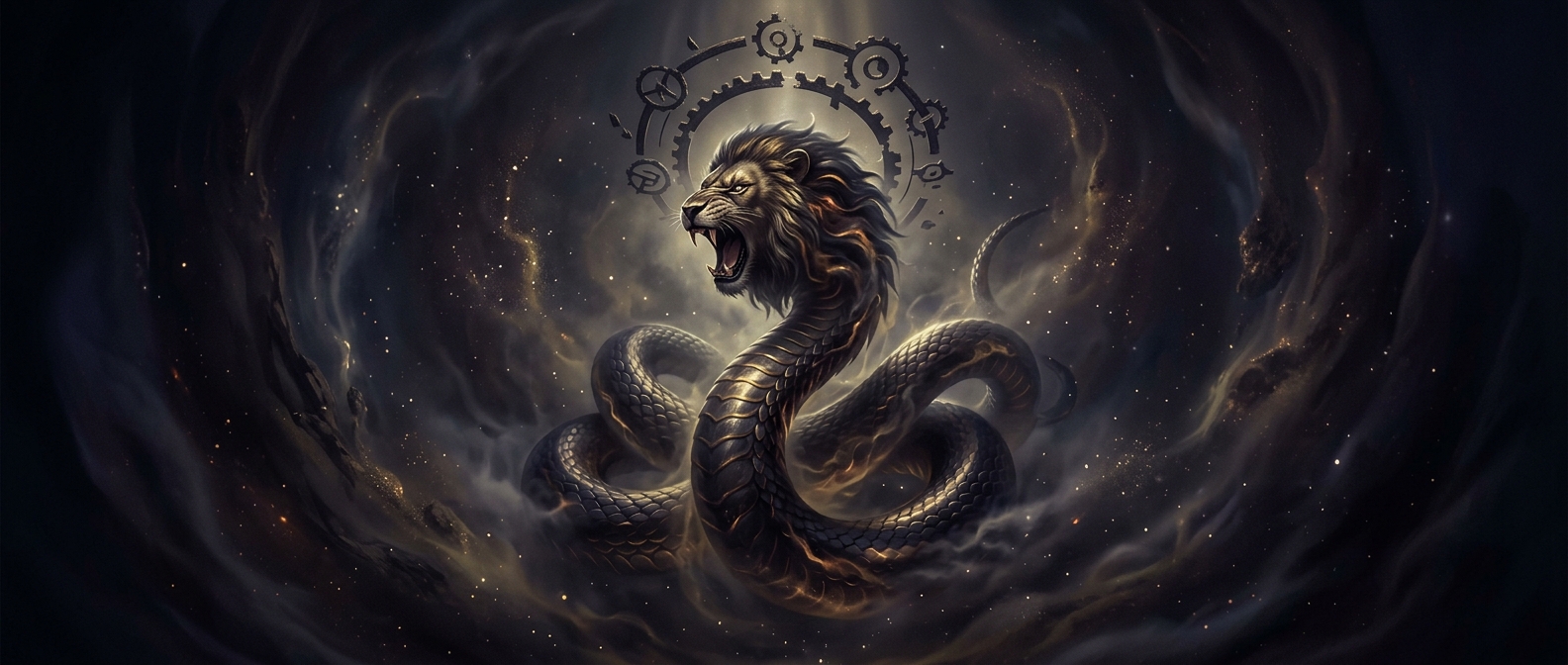
Sophia’s action gives rise to a lesser maker, often called the demiurge—a term for a creator who is not the highest God. In these accounts, the demiurge fashions the material cosmos without understanding the higher divine reality. The world can therefore be ordered and inhabited while still being incomplete: its maker’s limited perspective is built into its structure.
That distinction gives the myth its unusual explanation for imperfection. Suffering and disorder are not presented simply as features of a universe made directly by a fully knowing, supreme deity. They belong to a lower creation that has become separated from the fullness of the divine realm. Details differ among Gnostic texts and traditions, so Sophia’s role and the sequence of events are not identical everywhere.
What the story asks its audience to see
The account turns creation into a problem of knowledge and separation. The material world is real within the story, but it does not contain the whole of reality; a person’s task is to recognize the higher source beyond it. Sophia’s error matters because it supplies the myth’s central consequence: a flawed cosmos can exist without being the final measure of the divine.