Why Bogomils Distrusted the Material World
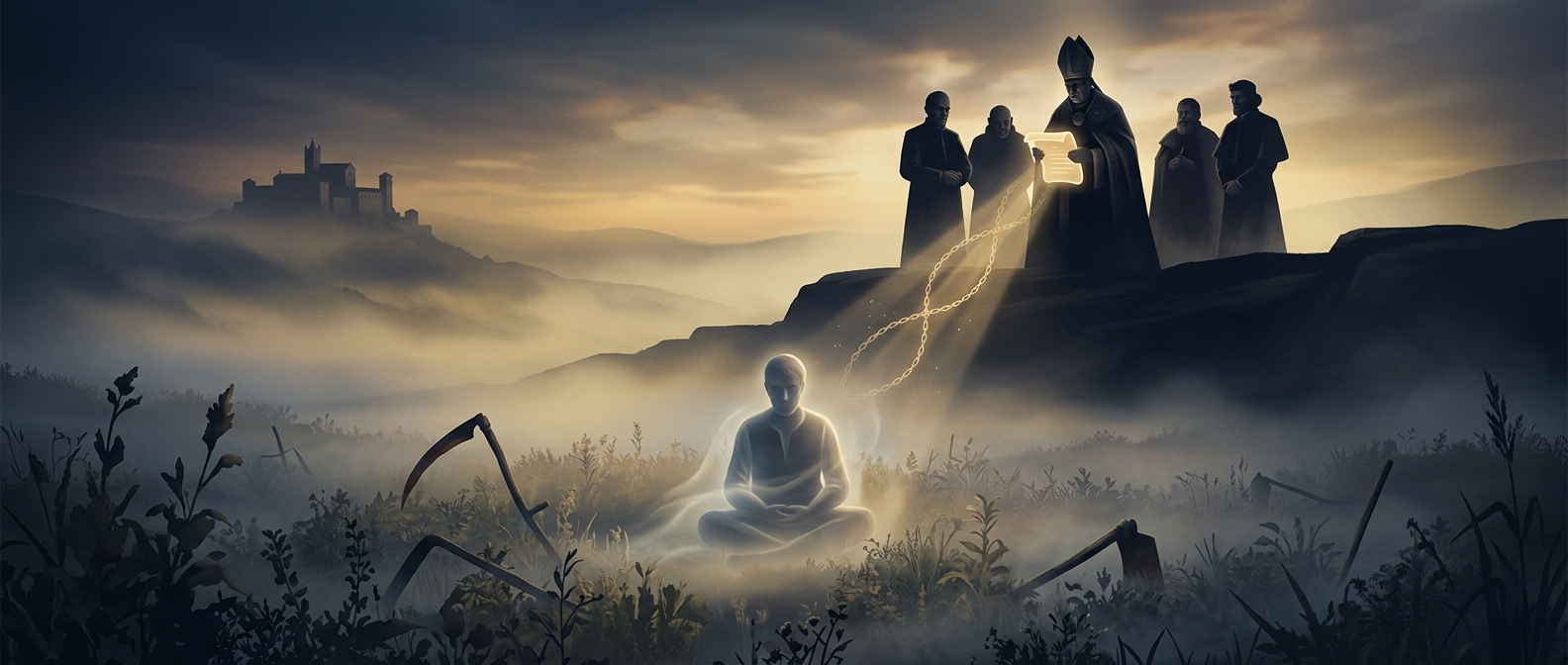
The Bogomils were a medieval Christian movement that took shape in the Balkans, especially in Bulgaria. Their beliefs are known largely through accounts written by their opponents, so details varied and can be difficult to pin down. At the heart of the movement, however, was a sharp divide: the supreme God ruled the spiritual realm, while an evil power—often identified with Satan—was responsible for the material world.
That division changed how ordinary religious objects and institutions looked. If the physical world belonged to evil, then a church was not automatically a holy place simply because it had been built for worship. Its stones, decorations, and wealth were part of the suspect material order. The same logic could extend to icons, relics, and rituals that depended on physical objects.
A Faith Practiced Without Sacred Buildings
Bogomil teaching challenged the authority of a church organized around buildings, property, elaborate ceremony, and a powerful clergy. Bogomils emphasized spiritual commitment and prayer instead. Their rejection of material religious forms was not a claim that Satan should be worshipped; it followed from the belief that the physical realm was the work of an evil creator, not the good God.
The consequence was more than a disagreement over architecture. It questioned whether an institution rooted in land, objects, and visible ceremony could lead people toward the divine. To a Bogomil, putting up a church could therefore look less like making a home for God than extending the very material order from which spiritual life needed to turn away.