When Christian dissent became a capital crime
Priscillian, a fourth-century bishop from Hispania (roughly modern Spain and Portugal), became known for an austere religious life and teachings that encouraged believers to study scripture privately. His asceticism—voluntary self-denial, such as fasting and giving up comforts—appealed to some Christians but alarmed others. Critics feared that private interpretation and tight-knit religious communities could weaken bishops’ authority.
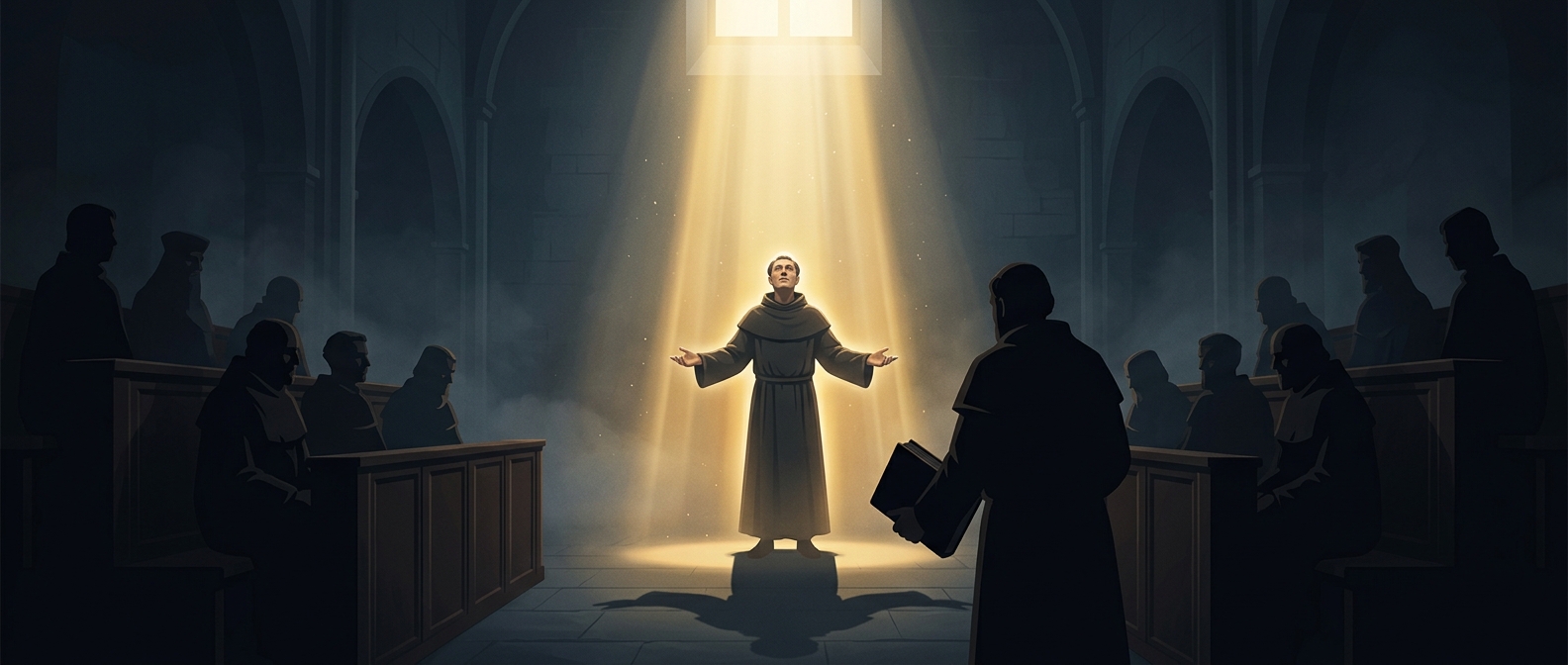
The dispute turned deadly when Priscillian’s opponents brought accusations against him to the imperial court. In 385, Emperor Magnus Maximus ordered him executed by the sword at Trier, in present-day Germany. The sentence made him the earliest known Christian mystic put to death by a Christian ruler for religious dissent.
The precedent mattered as much as the verdict
Priscillian’s execution was not simply a church punishment: it depended on imperial power. That distinction made the case alarming even to church leaders who disagreed with him. Martin of Tours, a prominent bishop, objected to using the state’s death penalty in a religious dispute and urged the emperor to spare him.
The killing did not end Priscillian’s influence. Supporters continued to honor him, while the affair left a lasting warning about what could happen when theological conflict moved from debate into the machinery of government. A dispute over who could interpret scripture had become a test of whether religious disagreement could be treated as a crime punishable by death.