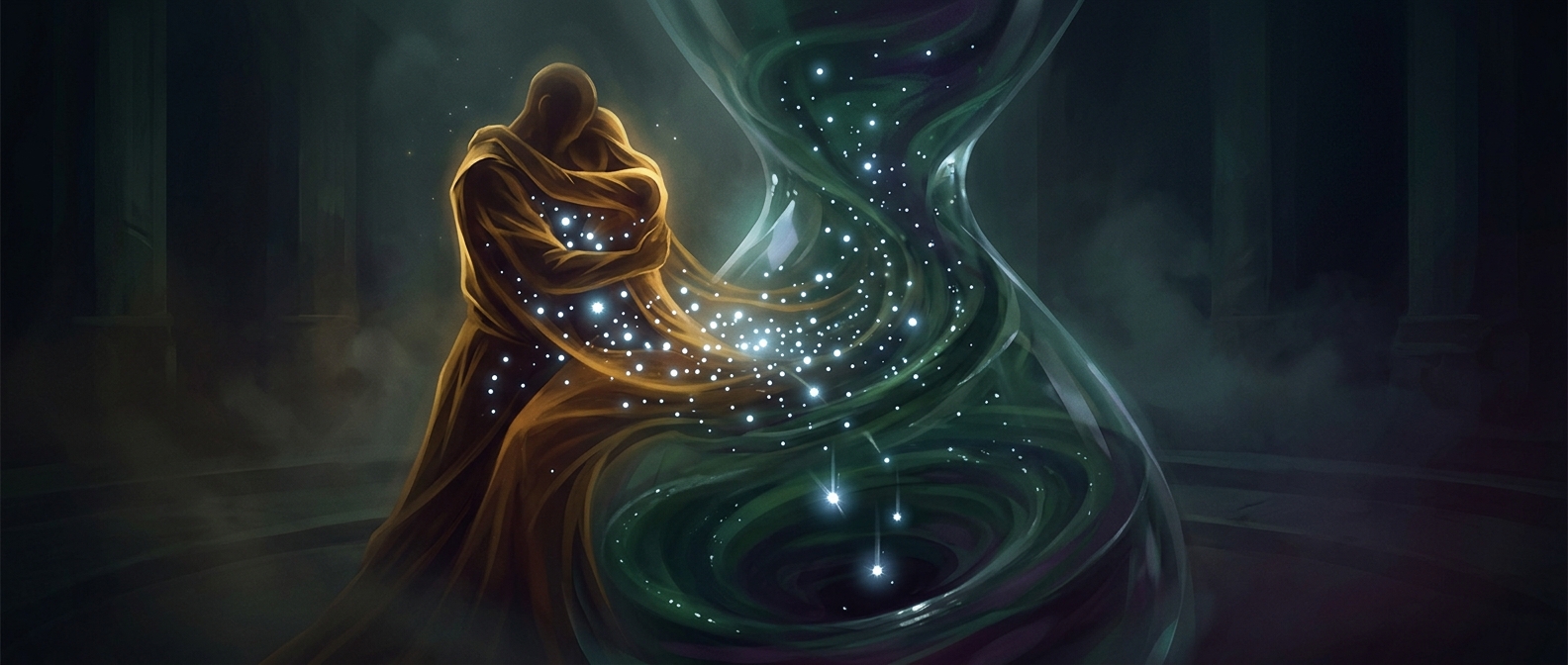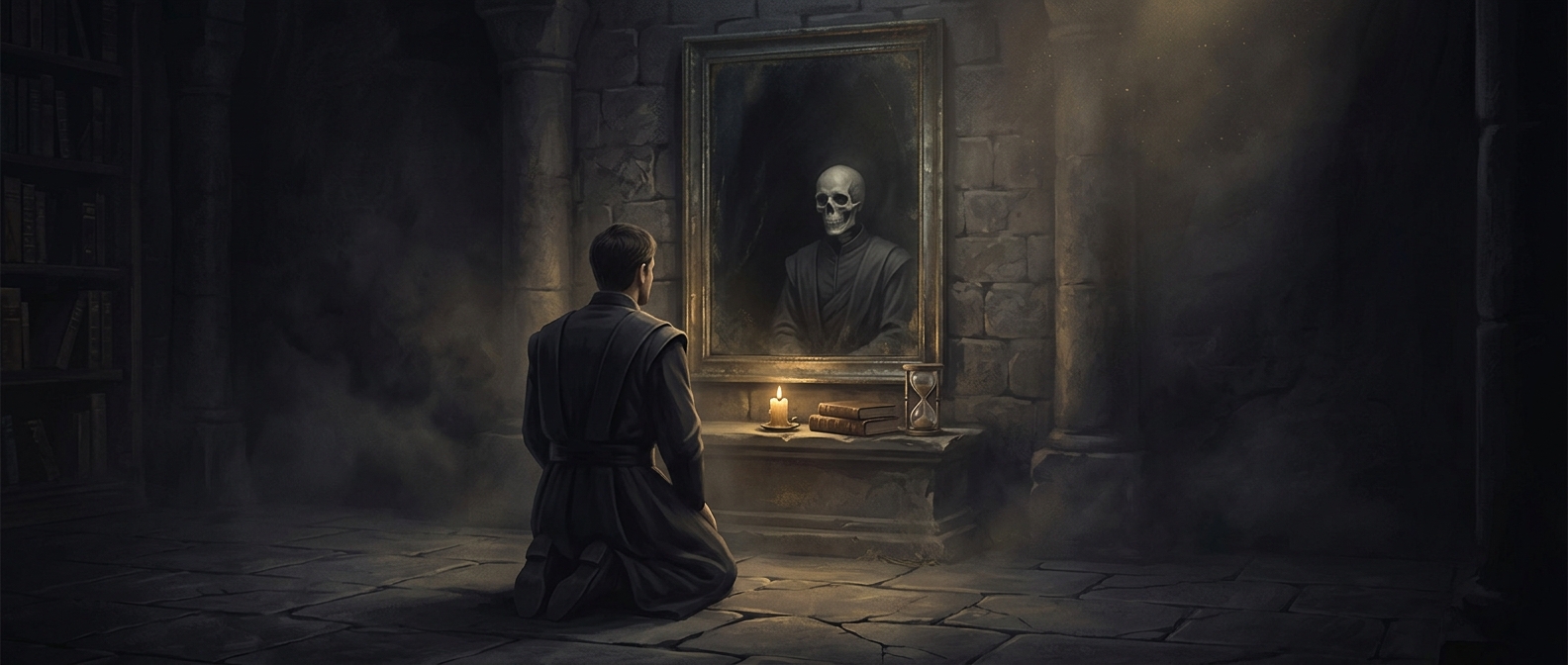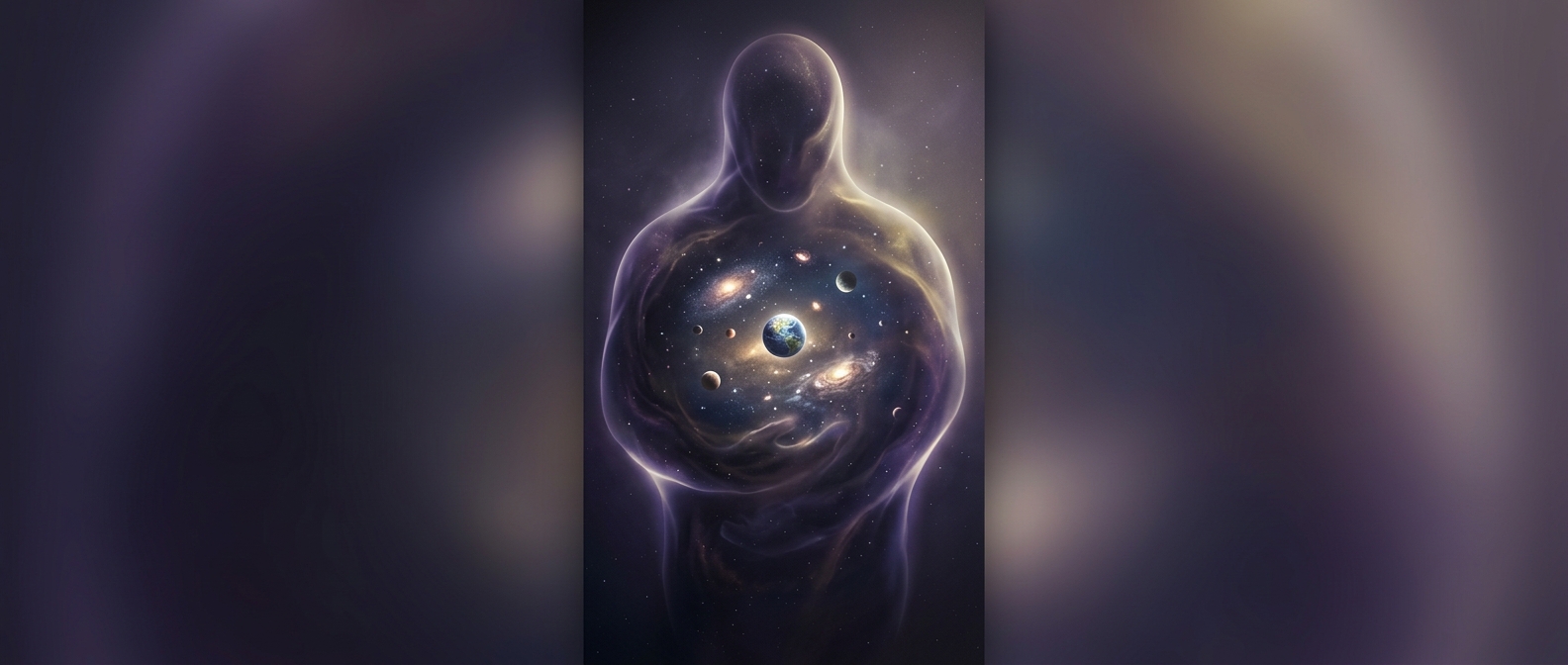
Two kinds of reality
In substance dualism, the mind and the body are not merely different ways of describing one thing. They are fundamentally different kinds of substance: the body belongs to the physical world, while the mind has thoughts, feelings, and intentions that are not themselves physical objects. The view is often associated with the philosopher René Descartes, who argued that thinking and bodily extension had different essential properties.
This distinction helps make sense of a familiar contrast. A decision to raise your hand is a thought; the raised hand is a physical event. They are connected, but they are not the same event described in two ways.
The puzzle of making a thought move a body
That connection creates a problem for dualism: how can something nonphysical cause a physical change? In ordinary experience, choosing to move seems to lead to movement. Yet if mind and matter belong to separate realms, the link between them needs an explanation. Descartes proposed that they interact, but naming an interaction does not by itself show how it works.
The gap between intention and action also has more immediate explanations. A person may change their mind, be distracted, or be physically unable to carry out a decision. Dualism’s contribution is not a single account of those cases; it is the deeper question of how any intention could initiate bodily motion at all.
Why the distinction still matters
The debate shapes how people think about consciousness, personal identity, and responsibility. If the mind is not reducible to the body, then a complete physical description may seem to leave something out: what an experience feels like from the inside. If mind and body are inseparable, that feeling must instead be explained through physical processes. The enduring challenge is to account for both sides—and for the seemingly ordinary moment when a decision becomes an action.