Kant’s “Thing-in-Itself” Marks a Limit on What We Can Know
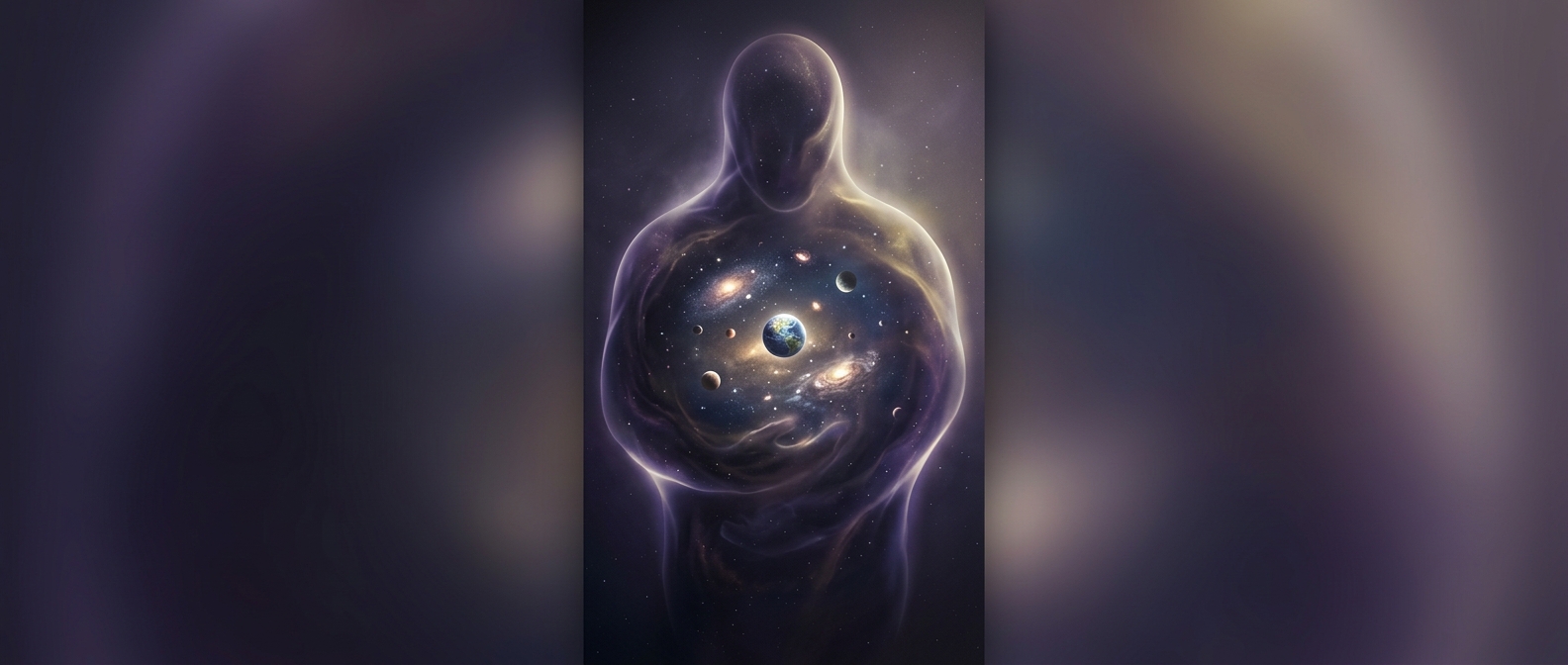
A tree appears green, has a particular shape, and can be touched. Those qualities are not simply copied from the tree into the mind: they are how the tree is presented to a human observer, through senses and the mental structures used to organize experience. The tree as it appears to us is a phenomenon. The “thing-in-itself,” often called the noumenon, means the thing considered apart from that human mode of access.
The distinction is associated with the philosopher Immanuel Kant. It does not mean that the world is imaginary. Kant’s point is nearly the reverse: something exists independently of our experience, but we cannot step outside the conditions of experience to compare our perceptions with reality as it is in itself.
A Boundary, Not a Hidden Description
It is tempting to picture the noumenon as an ordinary object concealed behind a curtain, waiting to be uncovered by better instruments. But instruments extend perception; they do not give us a view from nowhere. A microscope can reveal details too small for the unaided eye, yet its findings still reach us through measurements and ways of interpreting them.
For Kant, “noumenon” therefore works mainly as a boundary concept: it reminds us that the world we can know is the world as it can appear to minds like ours. It does not provide a list of the thing-in-itself’s secret properties. Claiming to know those properties would cross the very limit the idea identifies.
Why the Distinction Matters
The distinction changes what counts as a responsible claim about reality. We can investigate how things appear, compare observations, and build reliable knowledge of experience. But we should not confuse that success with having grasped reality from every possible standpoint.
The unsettling implication is also a modest one: even a complete map of what humans can observe would still be a map made from within human experience—not proof that we had seen the world exactly as it is without us.