Why some Gnostics saw birth as a spiritual problem
“Gnostic” is an umbrella term for ancient religious movements with differing teachings, but some shared a stark picture of the cosmos: the visible world was not the highest or truest reality. In certain Gnostic accounts, it was shaped by an inferior creator, often called the demiurge—a term for a lesser divine maker—and kept people unaware of their spiritual origin.
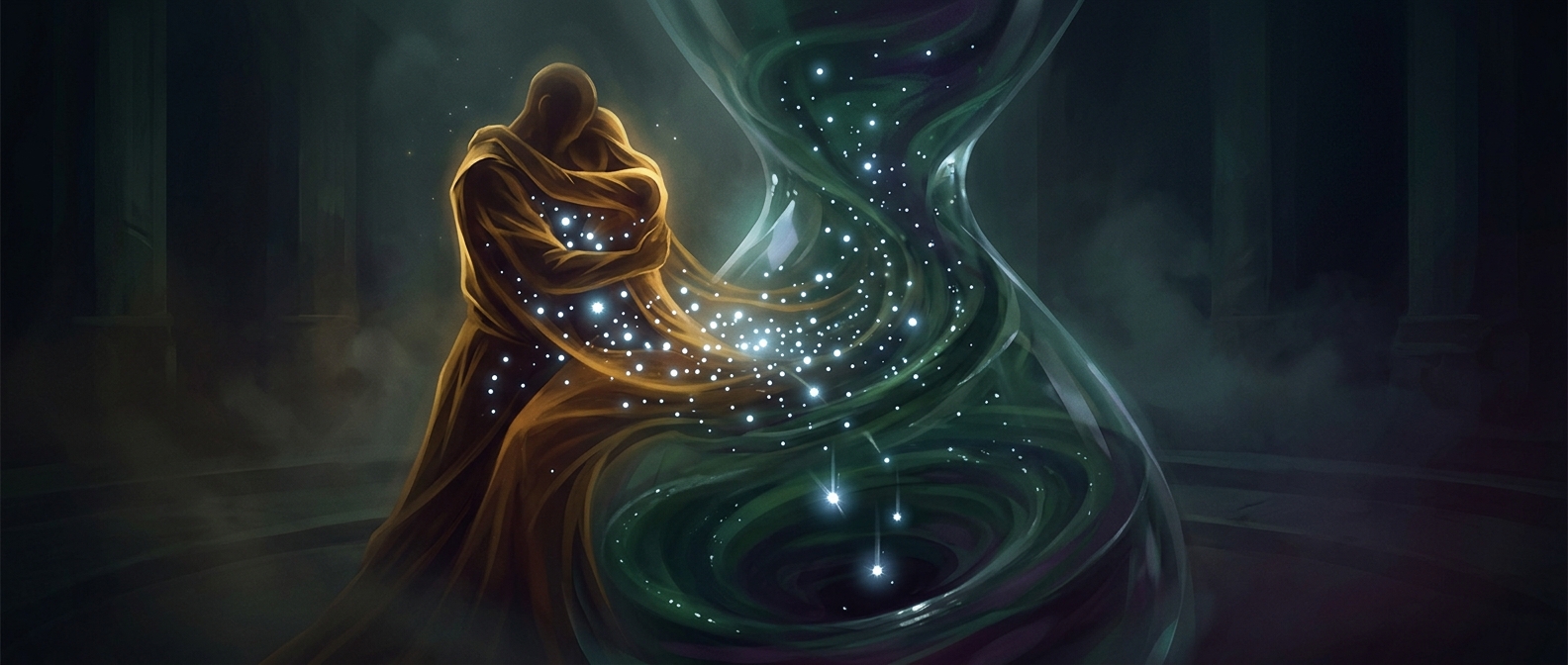
Within that framework, a human being could contain a divine element, sometimes described as a spark, imprisoned or obscured by bodily existence. Birth therefore did more than begin a life. It brought another soul into a world that, in this view, could distract it from the knowledge needed for spiritual release.
From cosmology to conduct
That reasoning could make sexual abstinence and other forms of renunciation seem like more than personal discipline: they could be ways of refusing to help perpetuate the system that confined divine sparks. The aim was not simply to dislike the body, but to avoid deepening attachment to a material order regarded as spiritually misleading.
Gnostic communities did not all draw the same conclusions, and the label covers a range of beliefs and practices. Still, the idea shows how a claim about the universe could reshape an intimate decision. If birth was understood as adding another soul to a flawed world, choosing not to procreate could be framed as an act of spiritual resistance.