When a Shared Pool Becomes a Crowded Resource
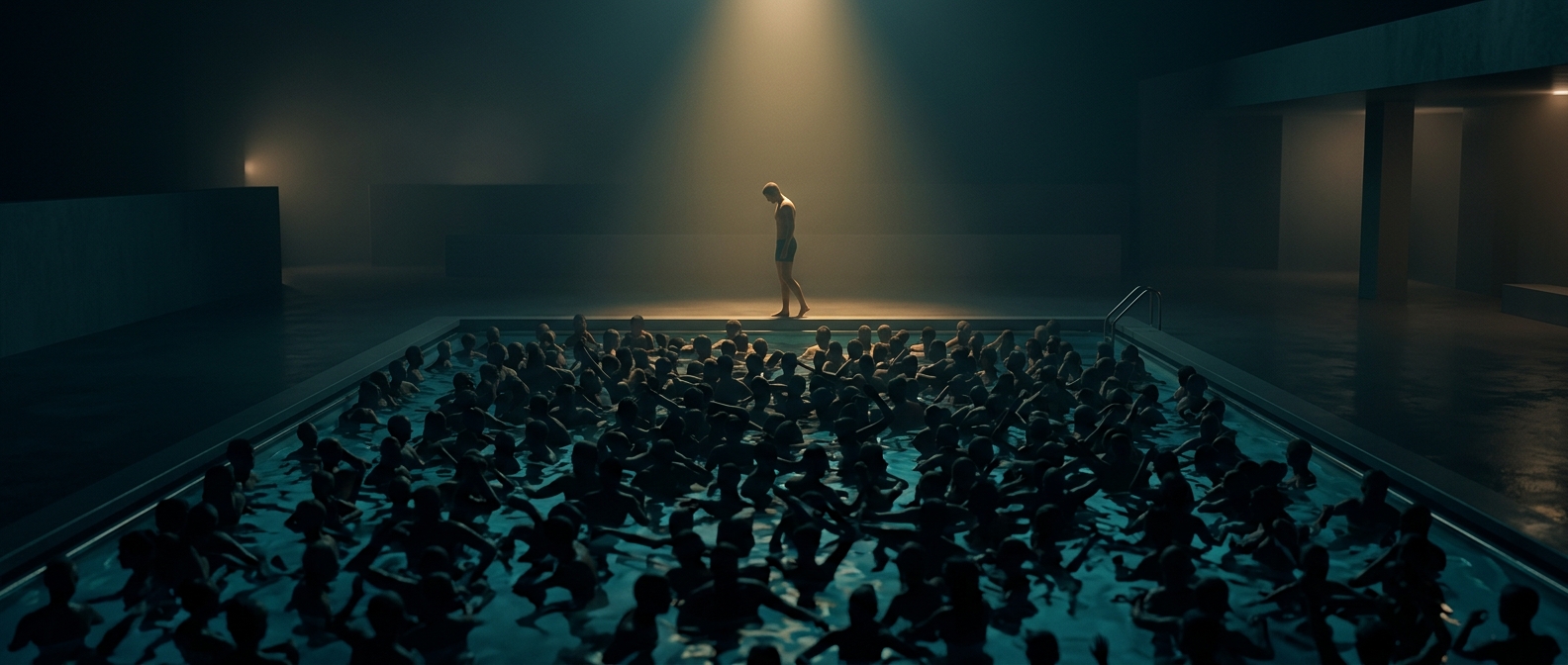
A swimming pool has a limited amount of usable space, even when admission is open to everyone. With few swimmers, each person can choose a place to float, paddle, or sit without affecting the others much. As the pool fills, that changes: one person’s movement increasingly limits where someone else can go.
Economists call this congestion. A resource can be shared with little conflict up to a point, then become harder for everyone to use as demand presses against its capacity. In a pool, the cost is felt moment by moment: swimmers alter their paths, leave more distance than they would like, or give up a quiet stretch of water.
The Cost Is Paid in Comfort
The entry fee, if there is one, does not capture the full cost of a crowded visit. Swimmers also pay in lost room and attention. They must watch for nearby people and adjust their movements, making it harder to relax even if the pool remains open and usable.
That cost is spread among the people already there, while each additional visitor may be thinking only about their own chance to swim. This is why access alone does not guarantee a good experience: a pool can be available to everyone and still offer too little space for everyone to enjoy it comfortably. Managing busy periods—through timed entry, reservations, or other limits—can preserve room in the water, but it also means deciding who gets access and when. At a crowded pool, the scarce resource is not just water; it is unclaimed space within it.