A Shared Room Is a Moving Reservoir
Air is not divided into personal portions. When someone inhales, the lungs draw in a small parcel from the room; when they exhale, they return air with less oxygen and more carbon dioxide. Air currents and ordinary movement mix that exhaled breath with the surrounding air, so another person is not left without oxygen simply because someone nearby has breathed.
A typical breath uses only part of the oxygen it contains. The rest returns to the room, mixed with gases from the lungs. In a normally ventilated space, fresh outdoor air continually replaces some indoor air, keeping the supply renewed.
When the Balance Can Change
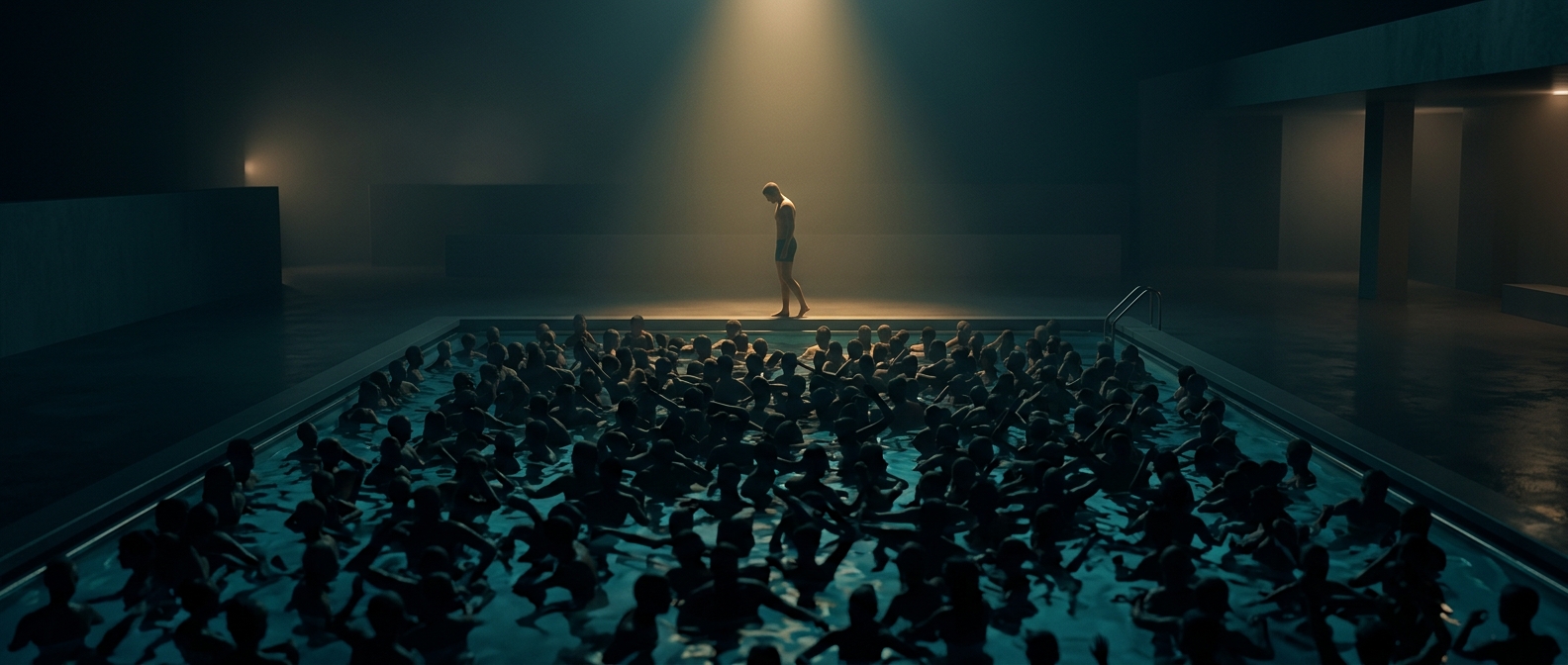
The supply is not unlimited. In a sealed, crowded space, people collectively use oxygen and add carbon dioxide; over time, the air can become unsafe. That is a shared change in the room’s overall air, not one person taking a fixed allotment away from another.
The useful distinction is between sharing a large, mixed supply and exhausting a confined one. In an ordinary room, one person’s breathing does not meaningfully deprive others; ventilation and the size of the space determine whether the room can keep up with everyone breathing together.