Why phosphorus matters to every harvest
Phosphorus is one of the nutrients plants need to build roots, transfer energy, and produce seeds. Crops remove some of it from fields when they are harvested, so farmers must replace what the soil loses to keep yields productive. For much of modern agriculture, the main replacement has been fertilizer made from phosphate rock.
A resource concentrated in the ground
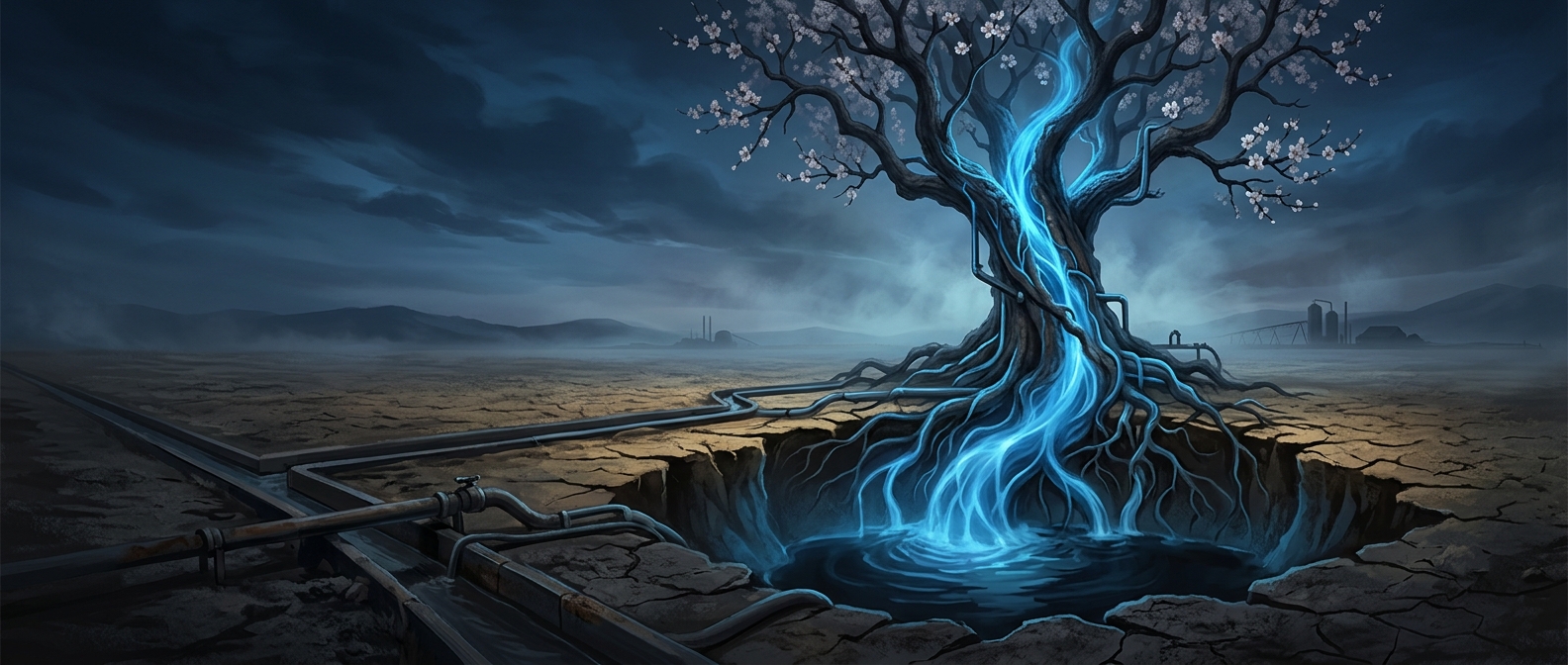
Phosphate rock is mined, processed, and turned into forms plants can take up. The challenge is not that phosphorus disappears from Earth: it cycles through soil, water, plants, and animals. The challenge is getting enough of it back into fields in a usable form. Unlike a manufactured chemical that can be assembled from other ingredients, phosphorus is an element; industry cannot create more of it when accessible deposits become scarce.
That makes supply depend on geology and mining. Deposits are unevenly distributed, and extracting lower-quality or harder-to-reach rock can require more work and cost. Fertilizer prices can therefore affect farm costs and, in turn, the price of food. The pressure is especially significant for farmers who rely on purchased inputs and have few affordable alternatives.
Closing the loop instead of wasting it
Phosphorus does not have to make a one-way trip from mine to farm to waste. Manure, food scraps, and treated wastewater contain phosphorus that can sometimes be recovered and returned to agricultural use. Better recovery can reduce demand for newly mined rock, though collection, treatment, transport, and food-safety requirements all matter.
The practical stakes are visible in an ordinary field: phosphorus carried away in grain is useful only if some can eventually be returned. Recycling it more effectively could make harvests less dependent on a finite, geographically concentrated mineral supply.