The water is used by the orchard, not poured into the nut
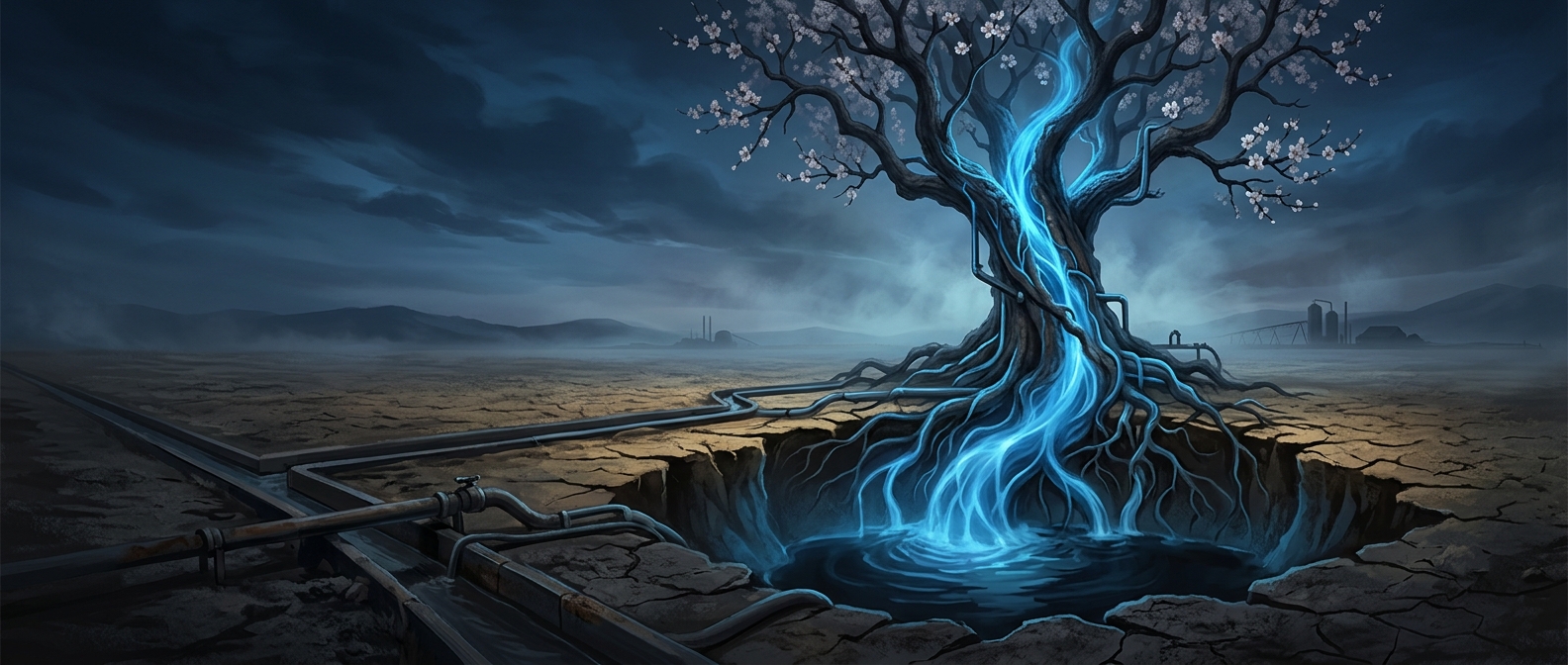
An almond is the end product of a year-round orchard. Trees need water to keep leaves functioning, grow branches and develop their crop; much of that water returns to the air through evaporation from soil and leaves. Only a small part remains in the harvested kernel. That is why the water attributed to one almond can seem strikingly large: it counts the growing system’s water use, not just moisture inside the nut.
The gallon figure is an average, not a fixed recipe. The total depends on where the trees grow, local weather, irrigation practices and how the water footprint is calculated. In dry regions, growers may rely on irrigation to supply water when rainfall is insufficient, making the choice of crop and water source an economic decision as well as an agricultural one.
A shipment can move water demand across borders
When almonds are exported, the water used to grow them stays behind, but the harvested crop travels. Economists call this virtual water: water embedded in a traded product through the resources required to make it. The importing country receives food without using its own farmland and water to grow that crop; the producing region bears the pressure on those resources.
That arrangement can make sense where growing conditions and farming expertise support a productive almond industry, while trade gives growers access to buyers elsewhere. But the benefit and the cost may fall in different places. A consumer sees a small bag of nuts; the producing region has managed the orchard’s water demand over many seasons. The almond’s journey therefore carries an invisible part of its production story along with the edible crop.