How a Small Cove Became Overloaded
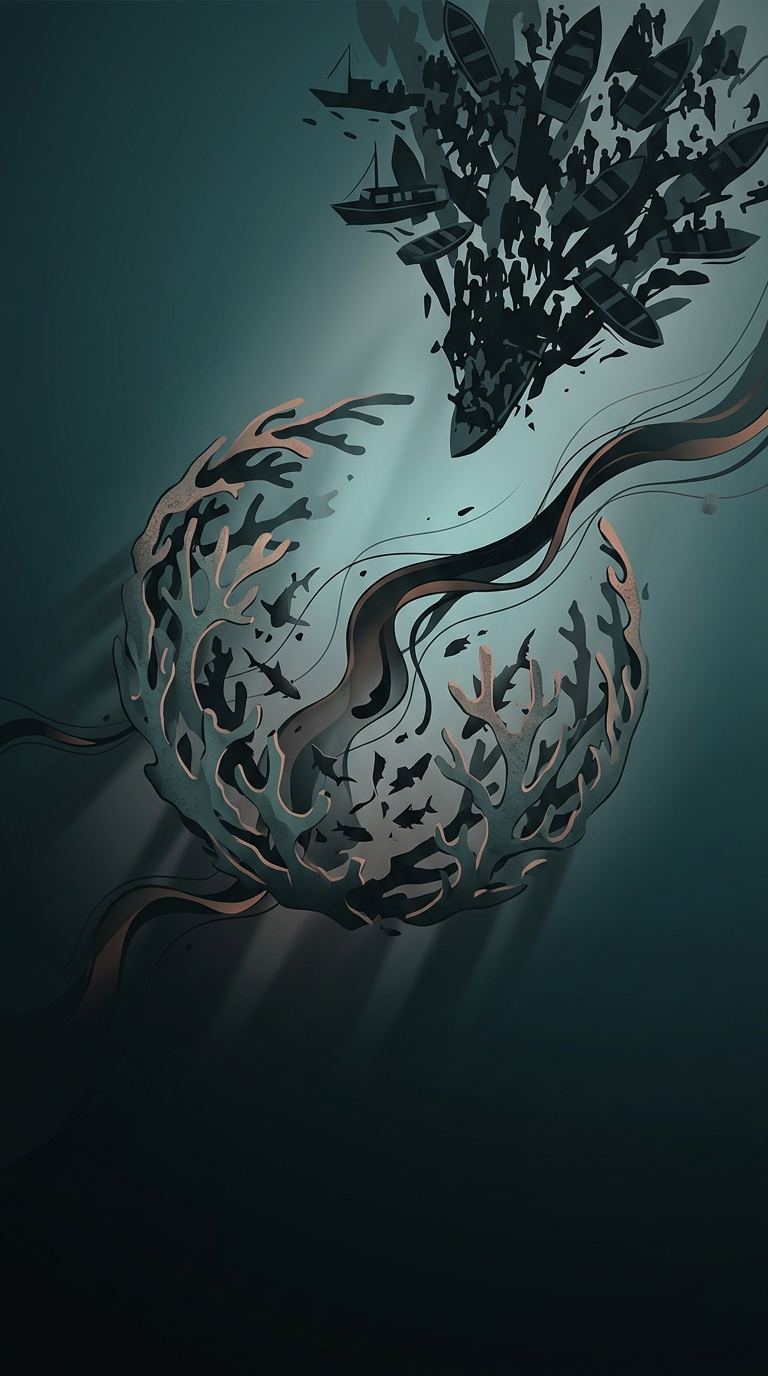
Maya Bay’s appeal was also the source of its vulnerability. The cove is a compact, shallow inlet, so thousands of daily visits concentrated people and boats in a small area rather than spreading their effects along a coast. In that setting, damage repeated trip after trip can accumulate faster than a fragile reef can recover.
Coral is living animal tissue attached to a hard skeleton. Boat anchors can break it, while propellers and churned-up sediment can strike or smother nearby coral. Swimmers and waders add pressure in shallow water, and constant boat traffic makes the bay a noisier, more crowded habitat for wildlife, including blacktip reef sharks.
Why Closing the Bay Mattered
Thailand’s closure in 2018 stopped the daily stream of visitors and boats, giving damaged habitat time without the same level of disturbance. The shutdown lasted nearly four years, until Maya Bay reopened in 2022. The lesson was not that tourism had no place there, but that access had to be managed around the bay’s limited capacity.
After reopening, visitor access was restricted and boats were kept out of the cove itself. That changes where the pressure falls: instead of repeatedly entering the shallow bay, boats unload outside it, and people reach the beach on foot. Such rules cannot instantly restore a reef, but they reduce the routine impacts that made recovery difficult.
Maya Bay’s story is a reminder that a famous landscape can be harmed not by one dramatic event, but by the same seemingly small disturbance repeated thousands of times. The boundary between a visit and lasting damage can be as practical as where a boat is allowed to stop.