Why a magazine’s calendar runs ahead
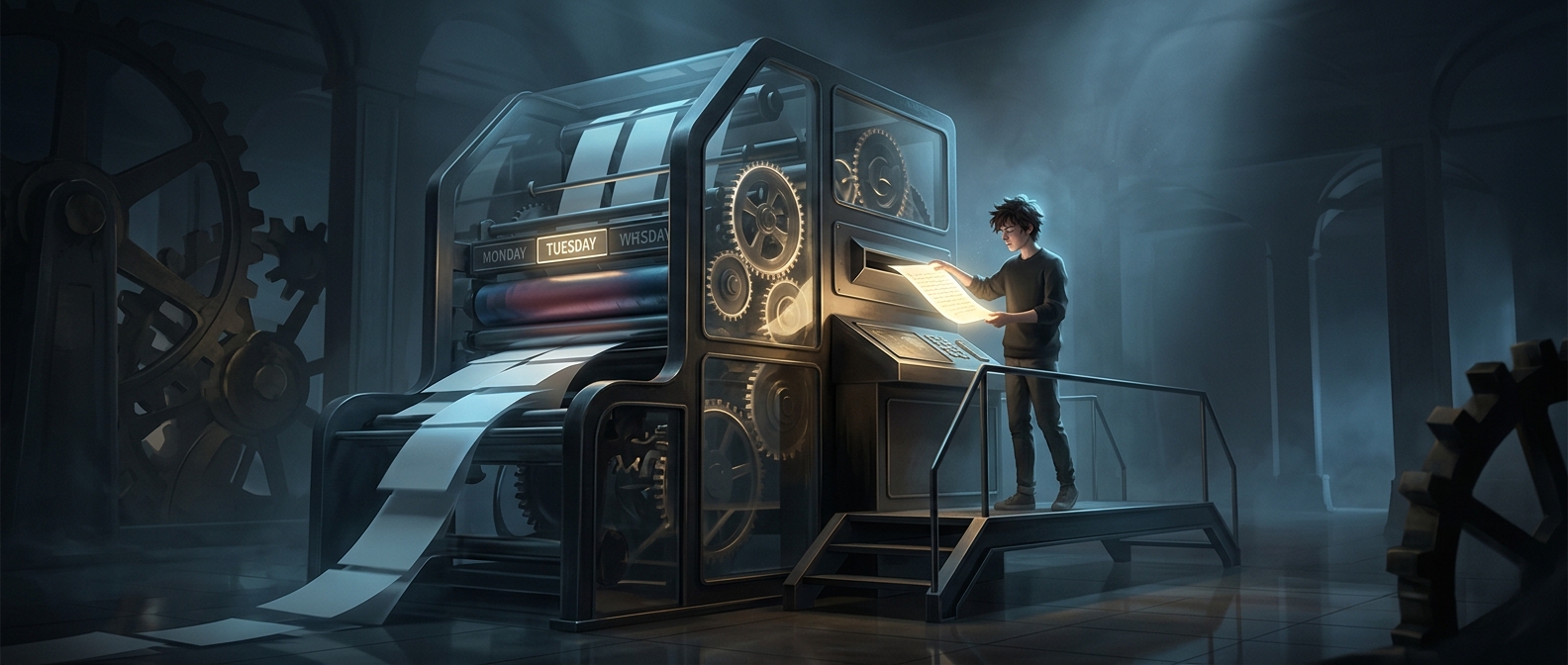
A print magazine is not assembled the week it reaches a reader. Editors plan an issue around a theme, assign stories, and give writers time to report and revise. After an article is approved, it still has to be edited, laid out on pages, checked for errors, sent to a printer, and distributed. Each handoff takes time, and the printer needs a final, stable version—not a draft that is still changing.
That schedule is especially important for magazines sold through shops or delivered by mail. Copies must be printed and shipped before the date on the cover, so the editorial deadline is earlier still. A column may look like a quick read, but it has to fit into the same production pipeline as the rest of the issue.
The tradeoff behind the lead time
Working ahead gives editors room to coordinate writers, artwork, page design, and printing. It also means an article can be finished before the events it might seem to address. Writers and editors therefore favor subjects that will remain useful, or leave room to update details before the issue closes. Once pages are approved for printing, late changes can disrupt the layout or miss the production deadline.
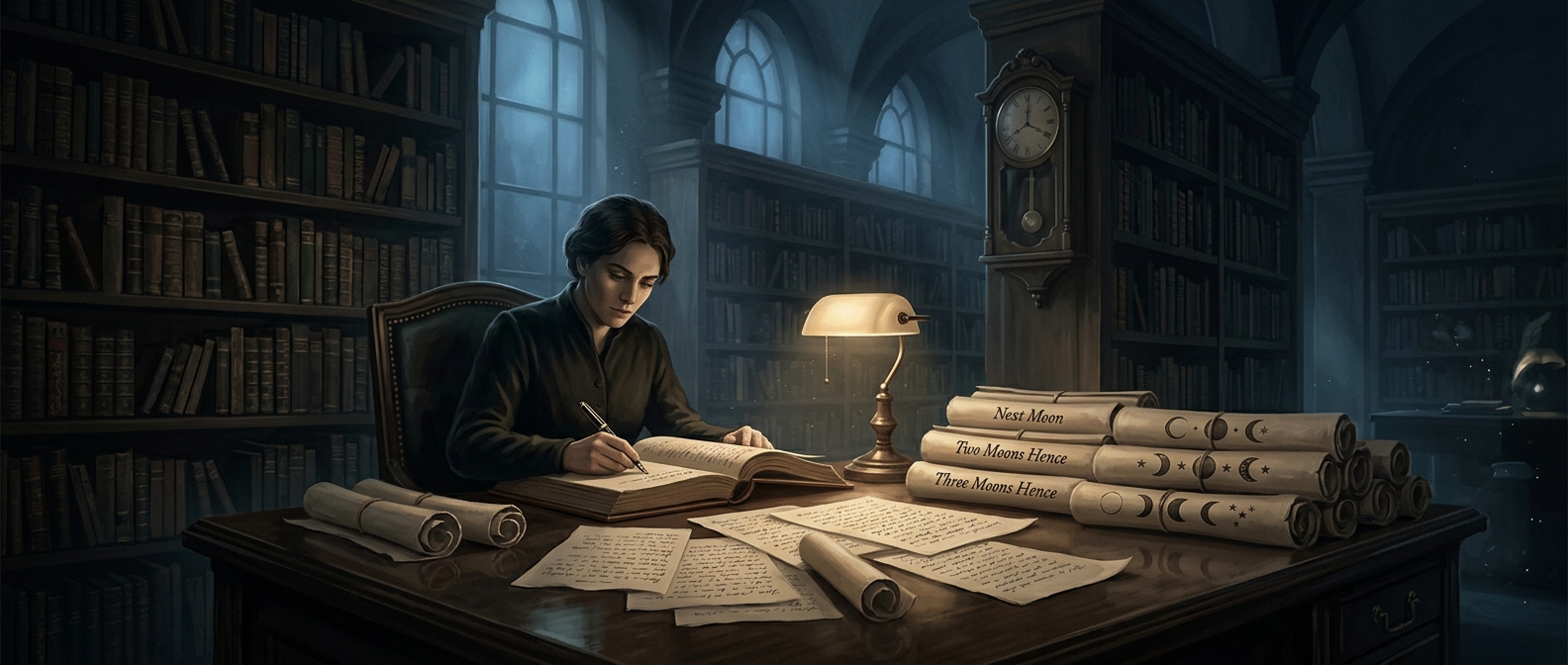
The result is a small time shift between writing and reading: a column can arrive on a reader’s doorstep as a new issue while its subject was already settled months earlier.