A basement show built its own audience
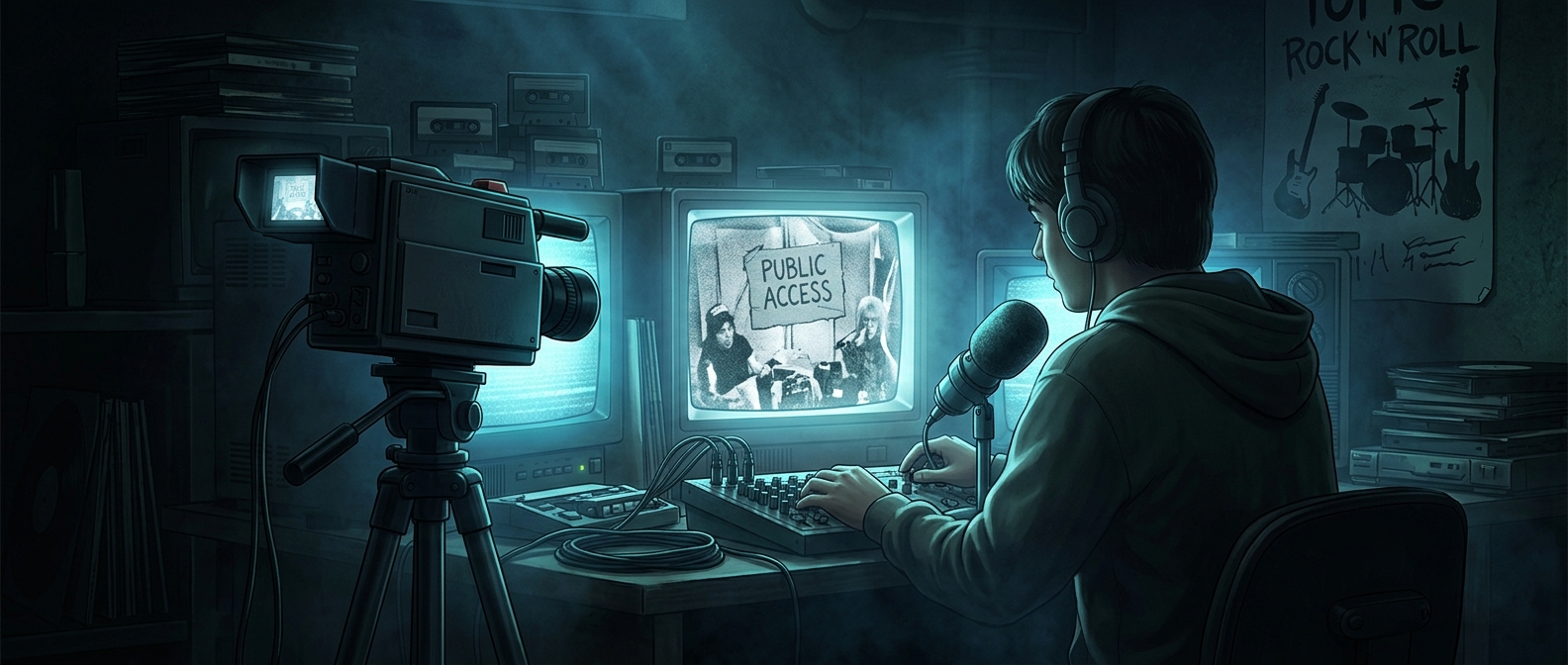
Before Wayne Campbell became a national comic character, the format belonged to the small, informal world of local cable access. These shows gave people a way to make television without a network studio or a polished production budget. That limitation shaped the comedy: Wayne and his sidekick Garth spoke straight to the camera as if viewers were hanging out with them, not watching a carefully staged broadcast.
The homemade setting also made the show’s conceit feel plausible. A basement, a camera, and an improvised presentation were enough to suggest that Wayne really was a local host trying to reach an audience. The looseness was not just decoration; it gave the jokes room to feel casual, awkward, and knowingly amateur.
From local oddity to mass-market comedy
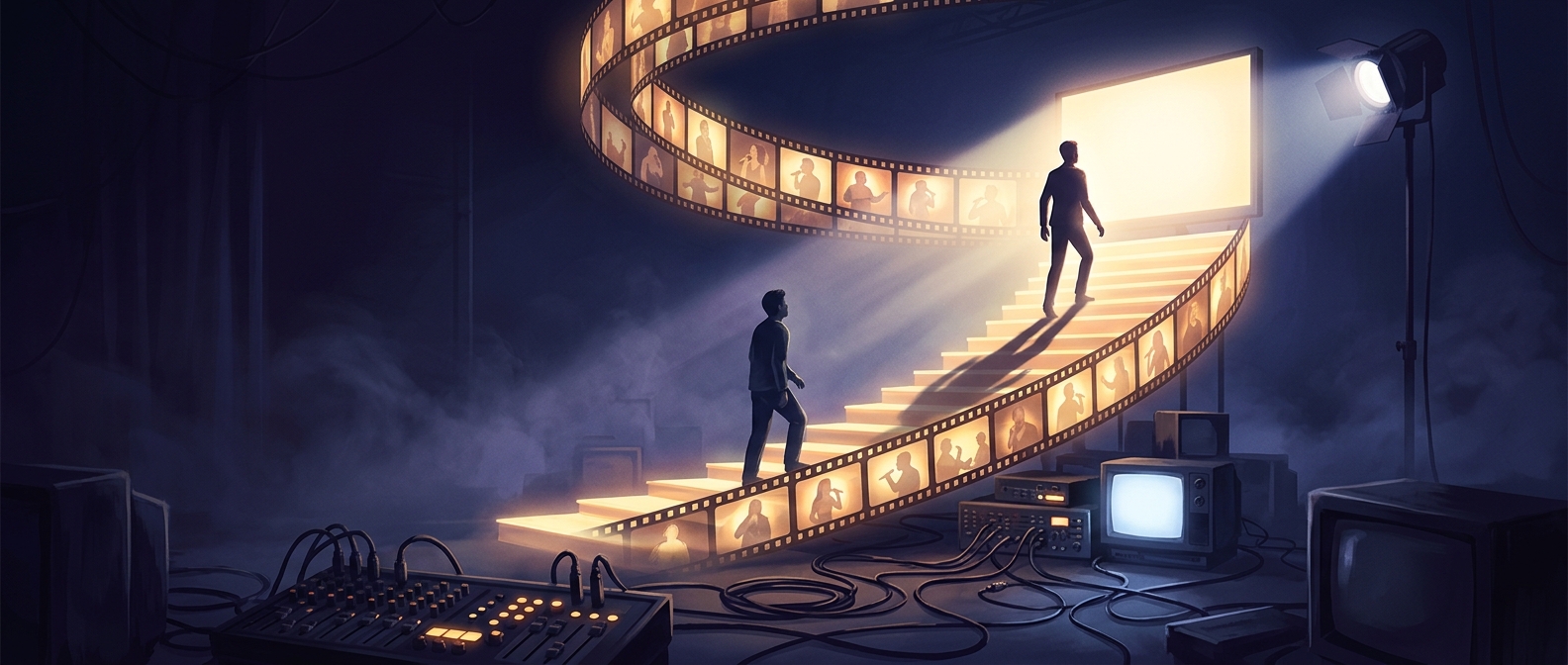
When the format moved to Saturday Night Live, its basic appeal survived the change in scale. The television parody still revolved around two enthusiasts treating their small show as important, while the larger program supplied a much bigger audience and a more elaborate production around them. Later, the feature films could expand the premise without losing the pleasure of watching Wayne and Garth behave as though their basement broadcast were the center of the universe.
That journey—from local cable to a national sketch show and then the box office—helped make the low-budget format part of the joke and part of its charm. The imagined broadcast never needed expensive equipment to feel real; its smallness was what made Wayne’s confidence so funny.