Why a Ball with Handles Is Harder to Ride Than It Looks
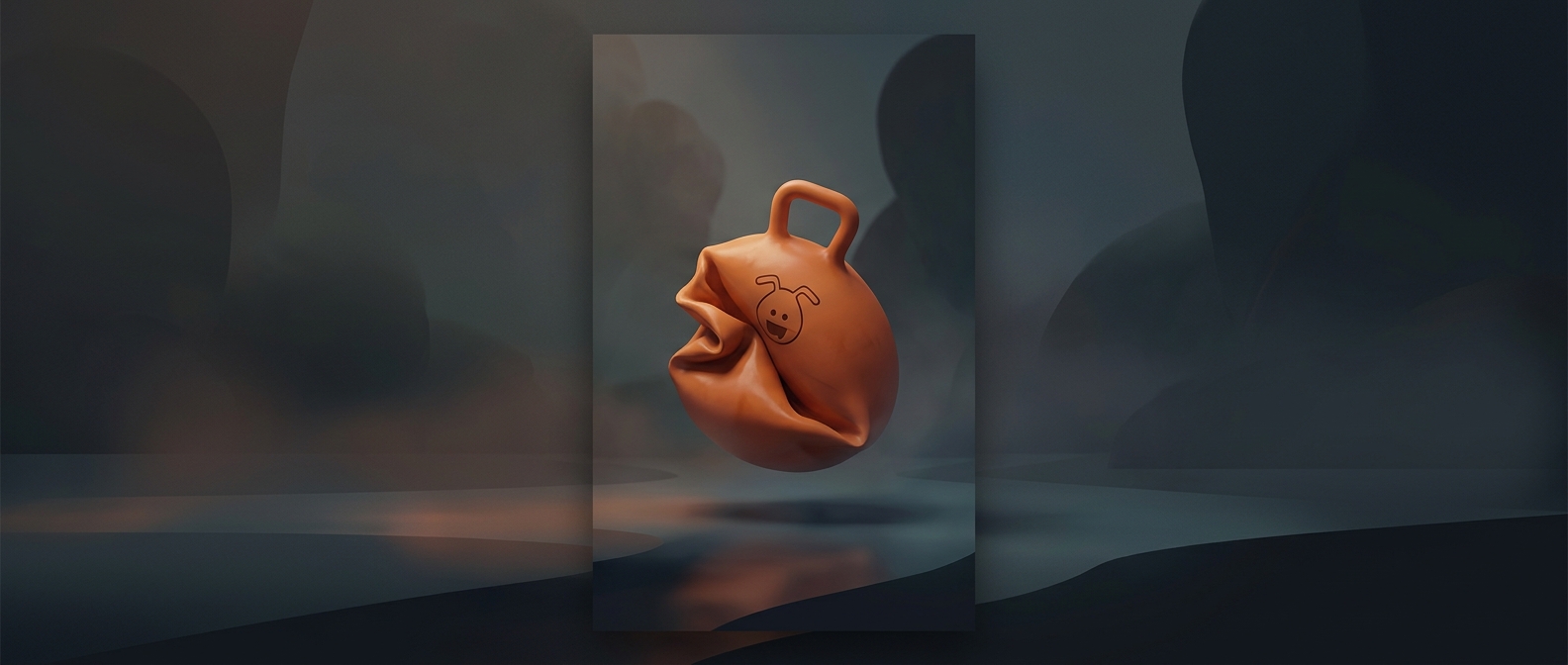
A hopper ball turns each step into a small cycle of compression and release. The rider’s weight pushes the shell out of shape; the shell then springs back, helping lift both ball and rider. But that rebound does not steer the ball or guarantee a smooth next landing. The rider has to keep their weight centered as the ball moves beneath them.
The Handle Solves a Control Problem
The handle gives the rider a fixed point to grip while the rest of the body rises and falls. Holding it can steady the torso and help keep the rider positioned over the ball. It is not a steering wheel: direction still depends largely on where the rider’s weight shifts and where the ball lands. A hop that begins upright can become a stumble if the next landing is off-center.
That makes the toy a compromise between bounce and control. A soft surface can cushion a landing but may absorb some of the ball’s rebound; a hard, even surface gives a more predictable spring but makes each impact less forgiving. Rough ground adds another problem: a bump or slope can send the ball away from the rider’s intended line.
A Short Trip, Not a Practical Commute
The motion can carry a person forward, but every hop requires a new landing and a fresh effort to regain balance. The ball’s elastic shell returns some energy, not all of it, and the rider must continually correct their posture. Its most useful lesson in movement is visible in each bounce: storing energy is easy compared with controlling where that energy sends you next.