Why a Broken Mirror Could Feel Like a Broken Self
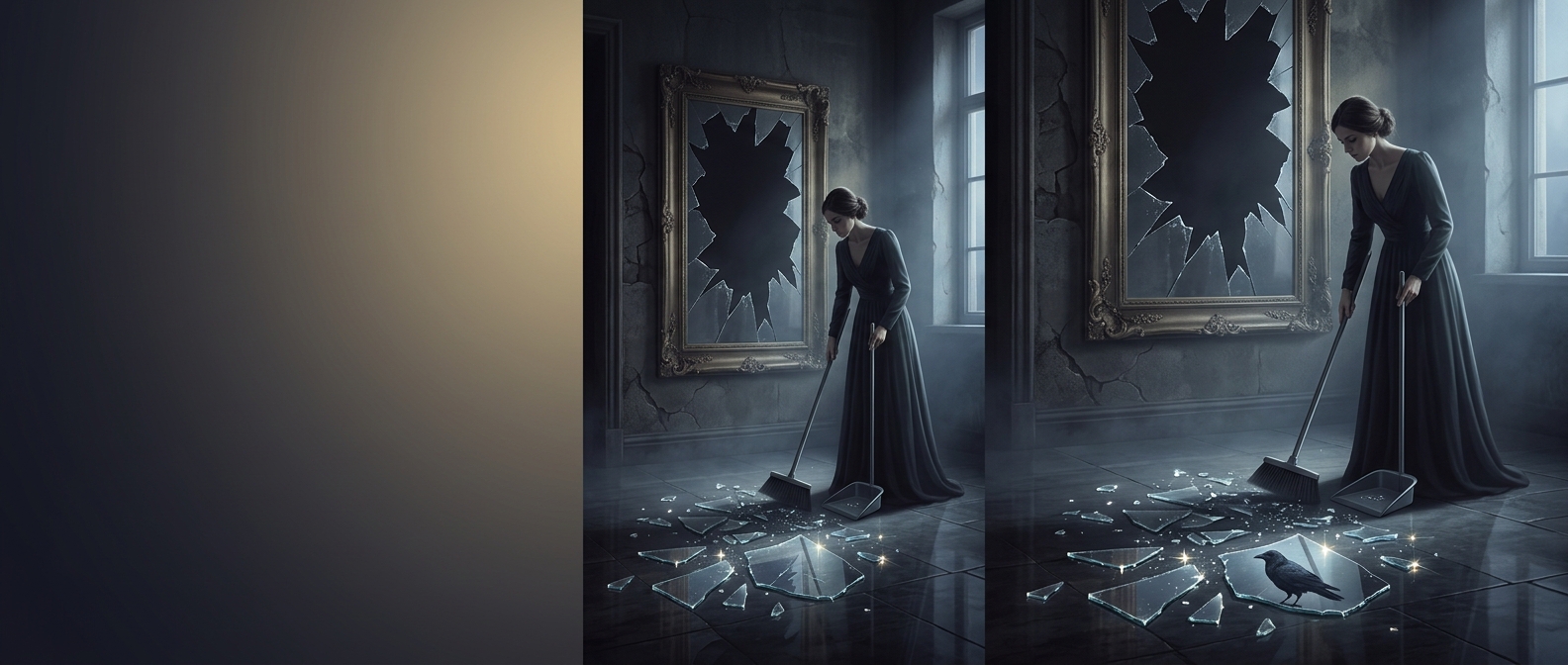
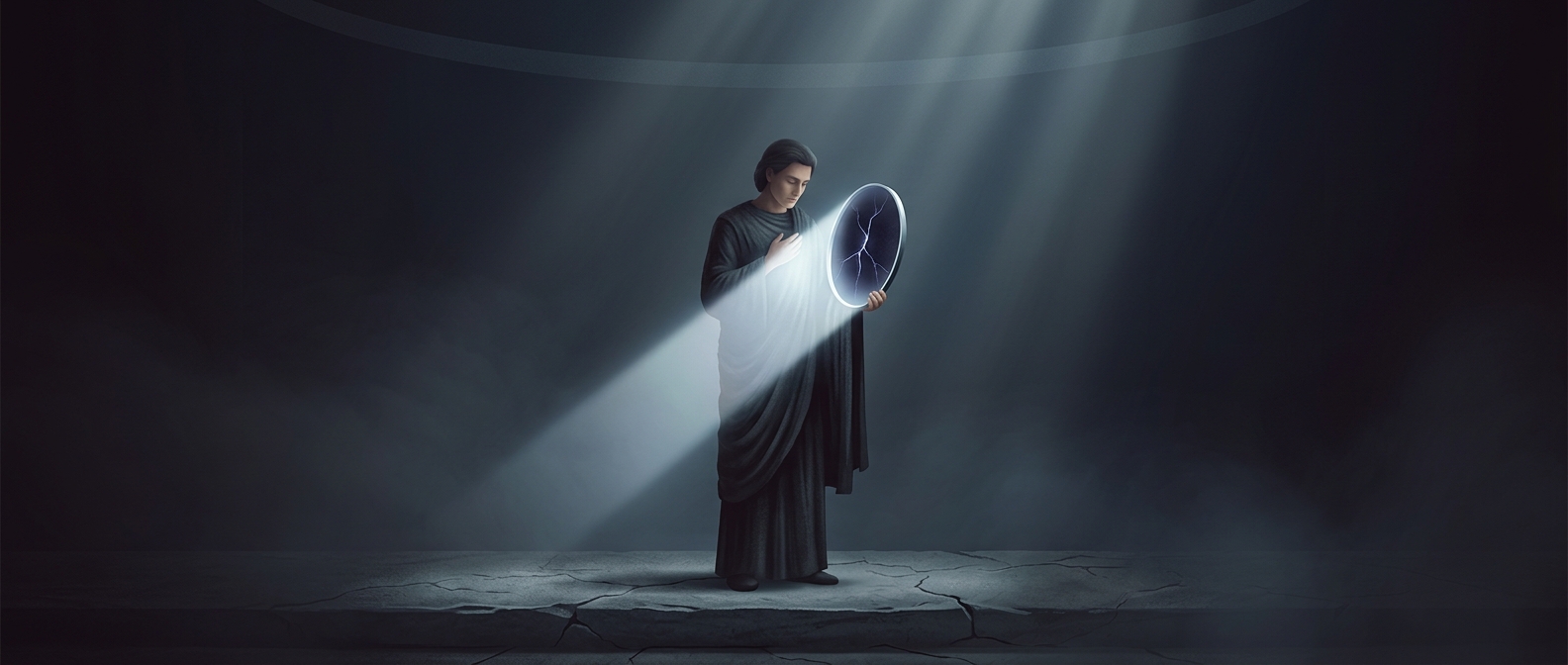
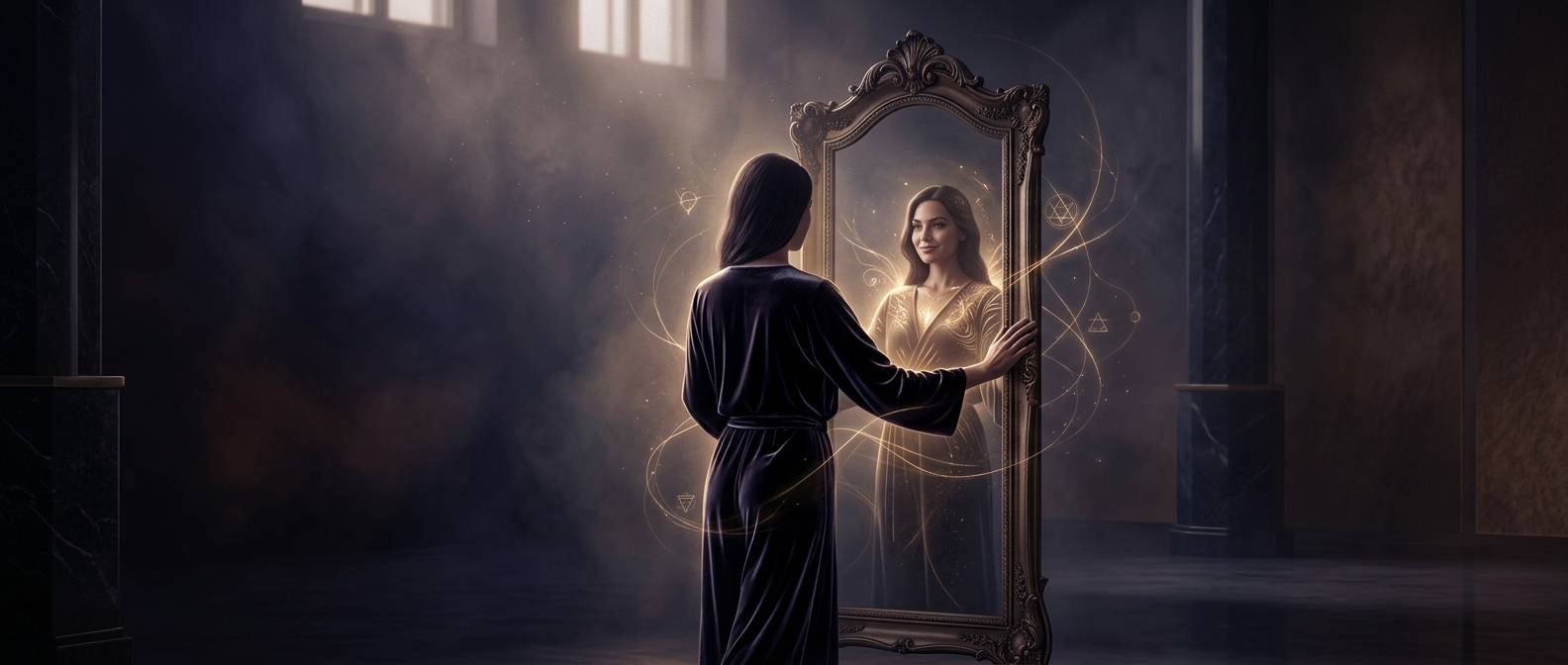
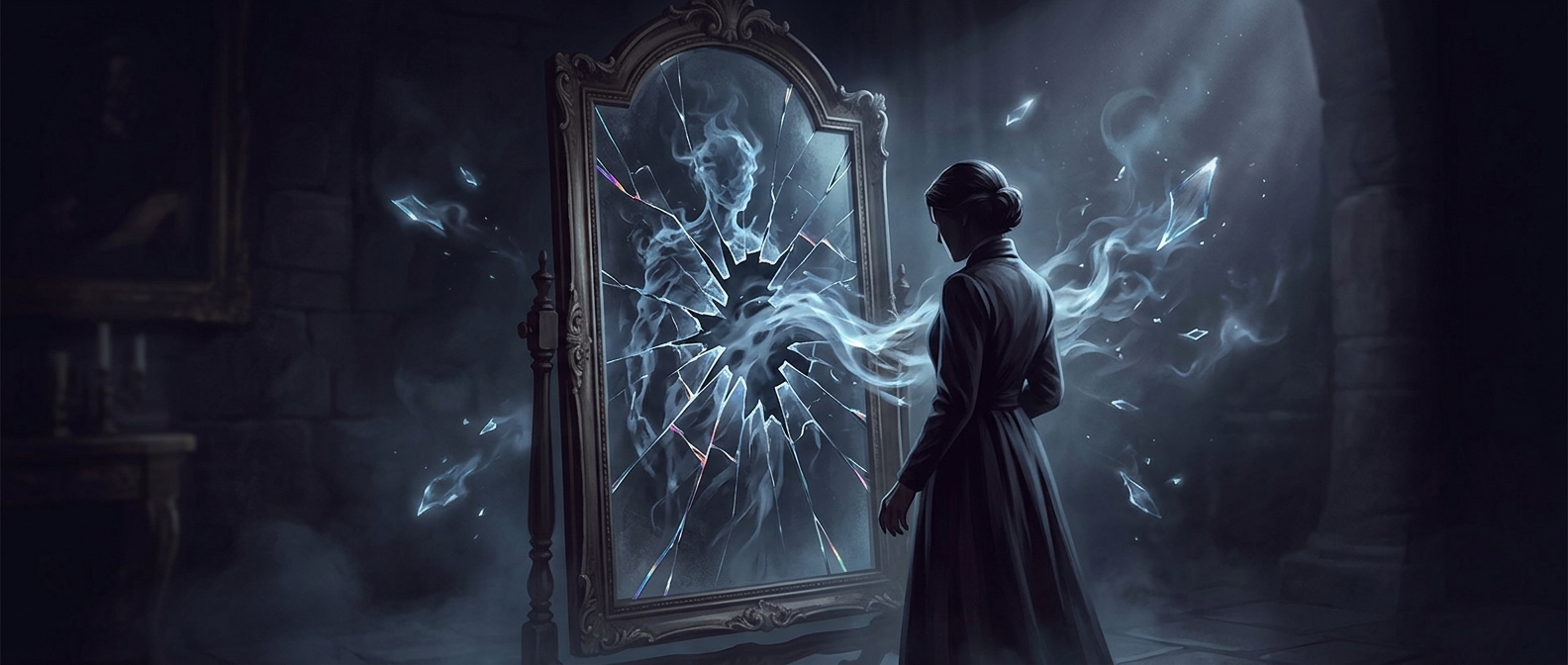
A mirror makes a person’s image appear in a place where no physical person is. For people who understood that image as more than a trick of light—as a counterpart or sign of a person’s life force—breaking the mirror could seem to threaten the person represented in it. The shards did not merely spoil an object; they fractured the visible double.
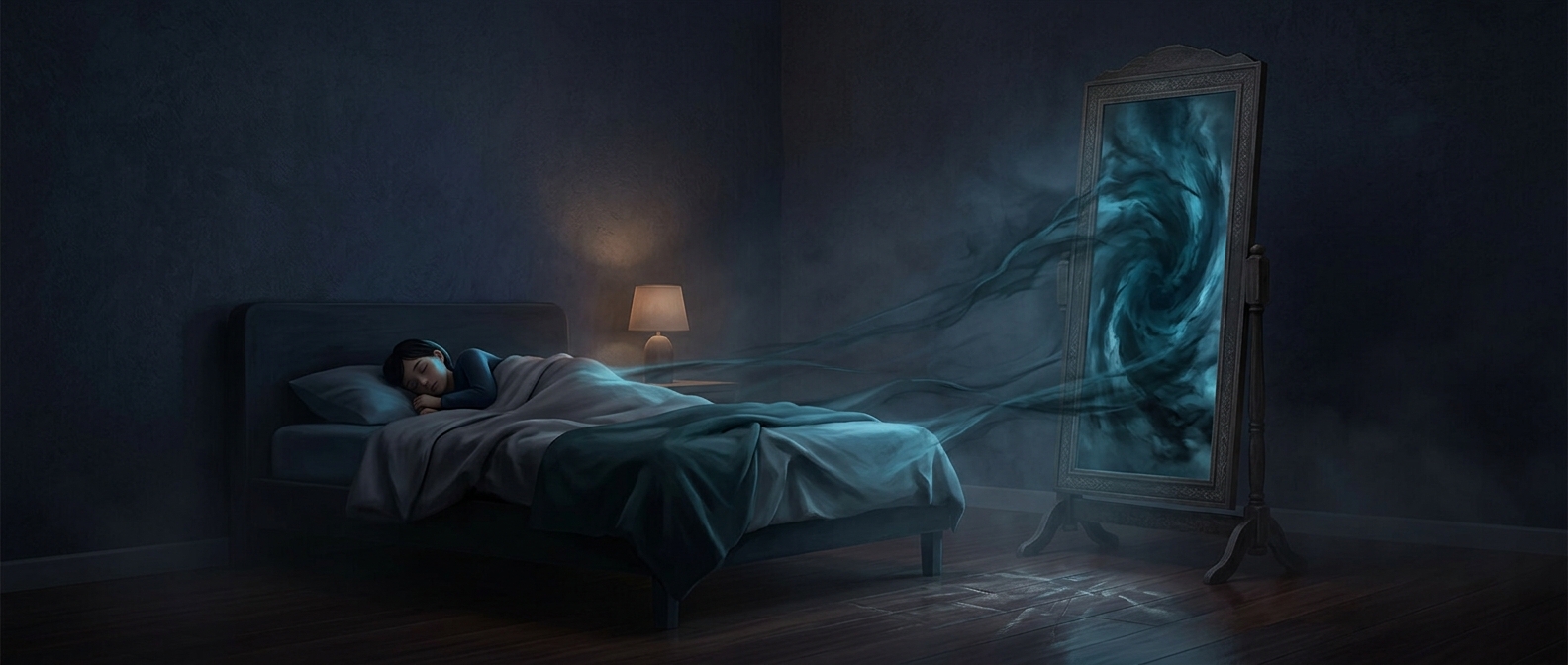
This way of thinking treats a reflection as a connection between the body and something unseen. The mirror becomes a vessel or threshold for that connection, so damaging it might be imagined to damage the person as well. It is a symbolic logic, not a claim that every ancient society shared one settled belief about mirrors.
Why the Cost of the Mirror Mattered
When mirrors were expensive, breaking one could carry two kinds of weight at once: the loss of a valuable possession and the fear that the loss had spiritual consequences. A shattered surface also made the idea of a shattered double unusually vivid—one face split across many pieces, each showing only part of the whole.
The belief’s memorable force comes from that overlap. A mirror turns an invisible idea about the self into something people can see break. A damaged reflection could therefore feel, to someone who believed in its spiritual connection, like more than bad luck or a costly accident.