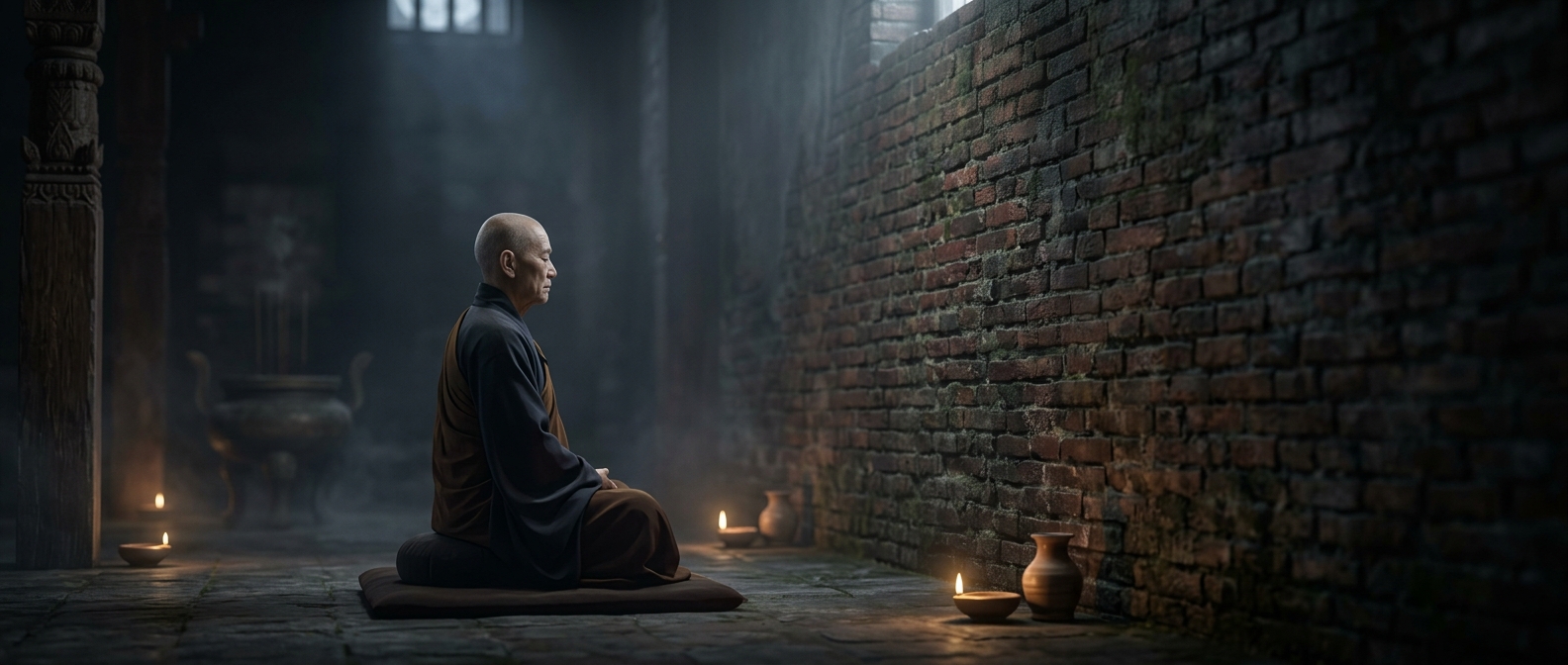
How a mantra becomes an inward practice
A mantra is a sacred word, phrase, or sequence of syllables used in prayer or meditation. In traditions that teach silent repetition, the practice may begin with audible recitation and gradually become quieter: spoken, whispered, and finally repeated mentally. The shift is not simply from sound to no sound. It changes what the practitioner must attend to.
When a voice is audible, its rhythm and volume help carry the repetition. In mental recitation, the practitioner has to sustain the syllables without hearing them, noticing when attention wanders and gently returning to the phrase. The mantra becomes both the focus of attention and a cue for bringing it back.
Why silence can carry spiritual weight
Some lineages describe inward repetition as subtler or more concentrated because it involves less outward activity. The claim that it is more potent belongs to those traditions’ spiritual teachings; it is not a measure that applies uniformly across religions or practitioners. Other communities value audible chanting for its shared rhythm, devotional expression, or role in ritual. The same mantra can therefore serve different purposes depending on how and where it is practiced.
Silence also changes the setting of the practice. A person can repeat a phrase without filling a room with sound, making it possible to continue in quiet surroundings or amid ordinary tasks. But mental recitation is not automatically effortless: without the voice to keep time, the practitioner may need patience to hold the sequence clearly.
The striking idea is that, in these traditions, sacred speech need not be heard to be practiced. Its intended work can happen in the disciplined act of returning to words that remain entirely within the mind.