How a Macintosh Turned Interface Actions Into Sounds
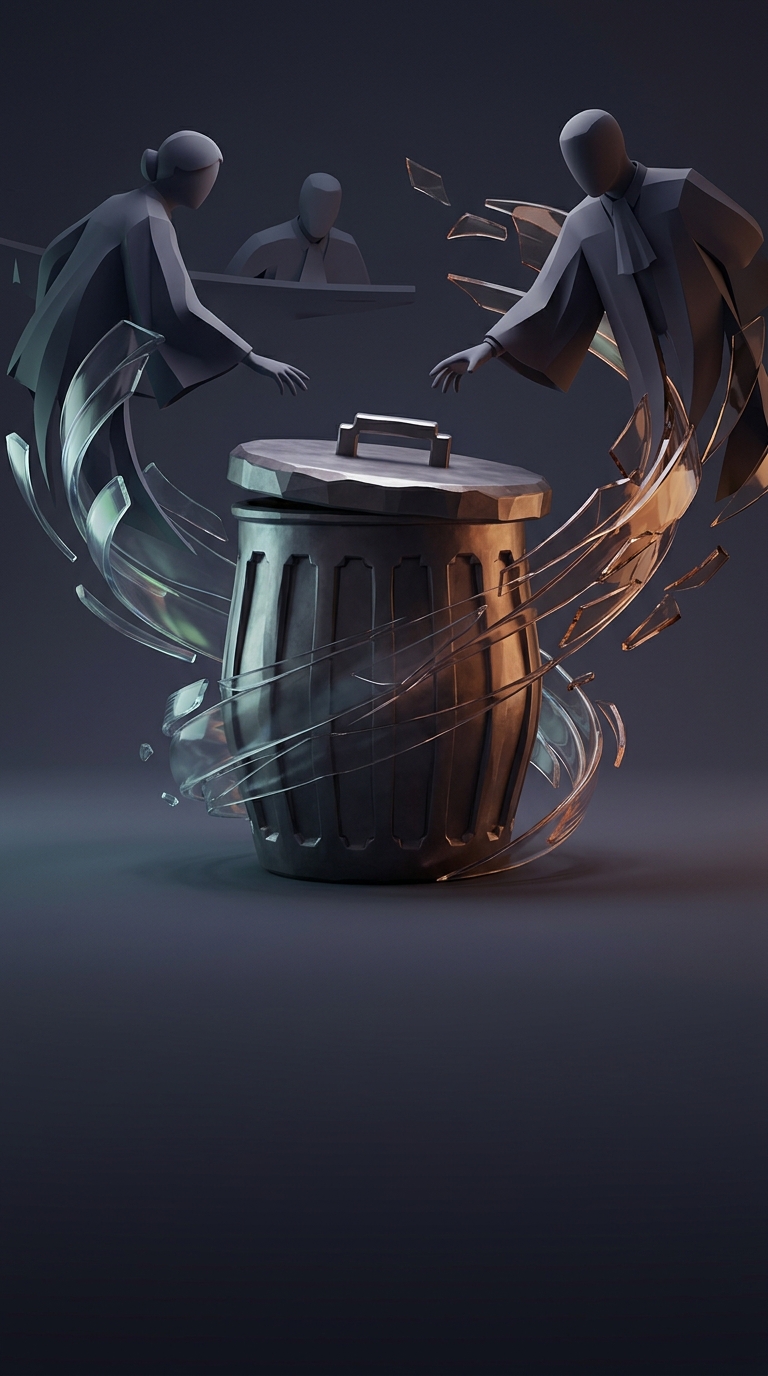
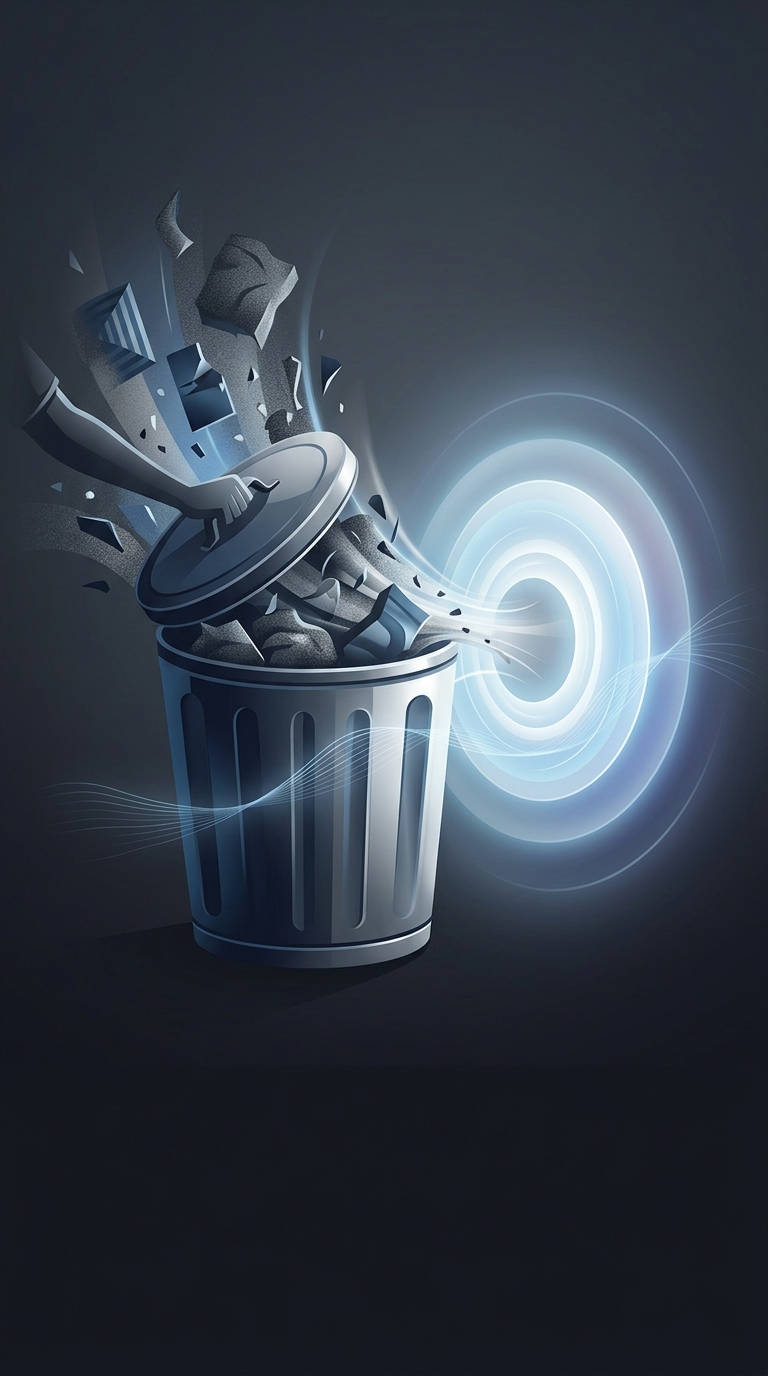
A file disappearing from a screen is an abstract event: pixels change, but nothing has physically gone anywhere. The Macintosh’s trash sound gave that action a more tangible ending. Jim Reekes made it from the noise of his own garbage being forcefully compacted, bringing the rough, blunt character of a real-world task into a tiny computer speaker.
That choice mattered because an interface sound does more than decorate an animation. It can tell a user that an action has happened, even when the visual change is easy to miss. Here, the crunch made deletion feel less like a silent vanishing act and more like something being decisively thrown away.
A Startup Chord With a Different Job
Reekes approached the startup sound from the opposite direction. The chord was composed to be soothing after a crash—a moment when users might be frustrated or unsure whether the computer had recovered. Instead of imitating a physical action, it offered a calm auditory cue as the Mac came back to life.
Together, the sounds show how small pieces of interface design can shape a user’s emotional experience. One makes an everyday command feel satisfyingly concrete; the other helps make a tense restart feel less alarming. A handful of notes, or a single crunch, can give a machine a more legible—and more human—presence.