A voice turns a device into a social presence
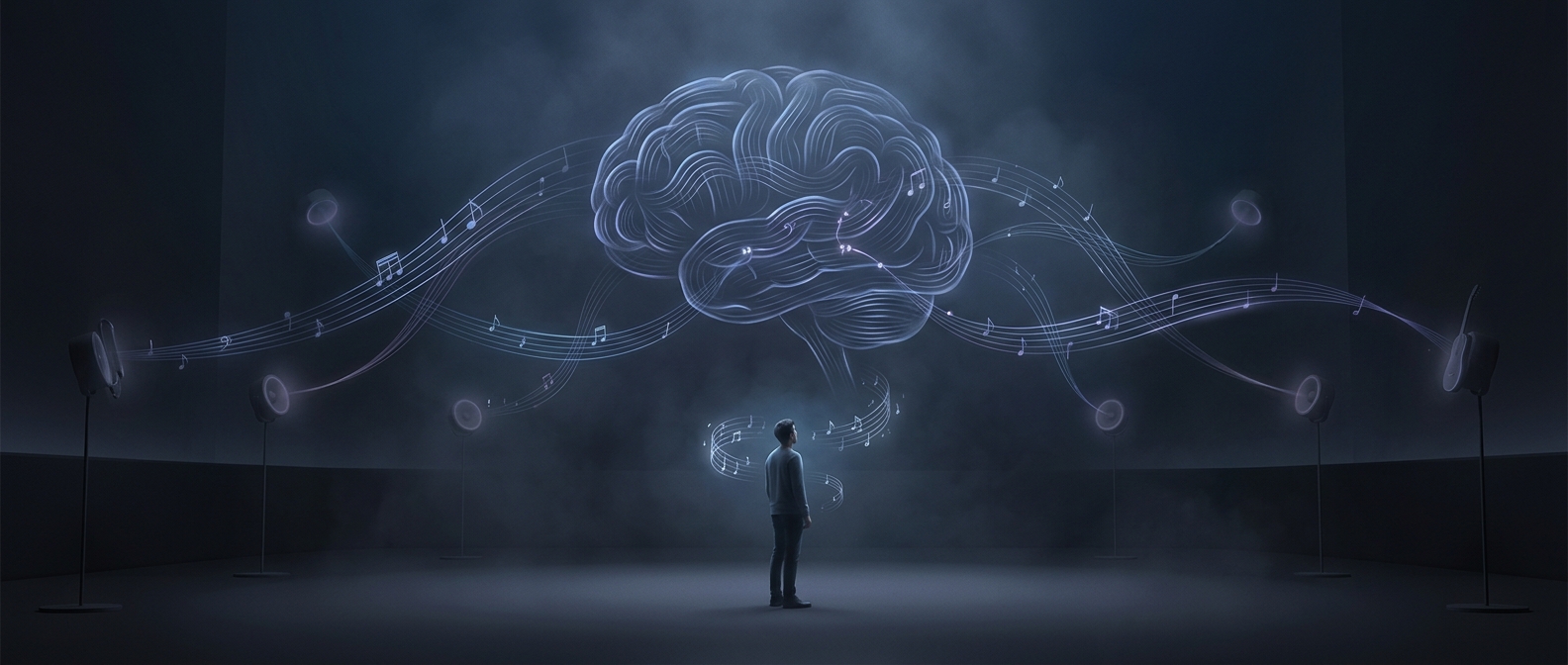
A subtle trust cue is human-like conversation. When an assistant answers in a natural voice, responds to a name, and takes turns speaking, people may instinctively treat the exchange less like operating a machine and more like interacting with a social partner. Psychologists call the tendency to assign human qualities to nonhuman things anthropomorphism.
That response can happen even when users know the assistant is software. A spoken answer feels immediate and directed at the listener; a menu of buttons usually does not. The voice supplies social signals—such as timing, tone, and conversational phrasing—that make the system seem attentive and easy to approach.
Familiarity can become misplaced confidence
Those cues can make an assistant feel more trustworthy, but they do not show that its answer is more accurate. A polished reply may sound confident whether the system has retrieved a reliable fact, misunderstood the request, or generated an error. The same conversational ease that encourages people to ask questions can also make them less likely to pause and verify an answer.
That is the practical catch: social comfort and factual reliability are different things. A voice assistant can feel like a helpful presence in the room, while still needing the same scrutiny as any other software.