A voice clone can start with seconds of audio
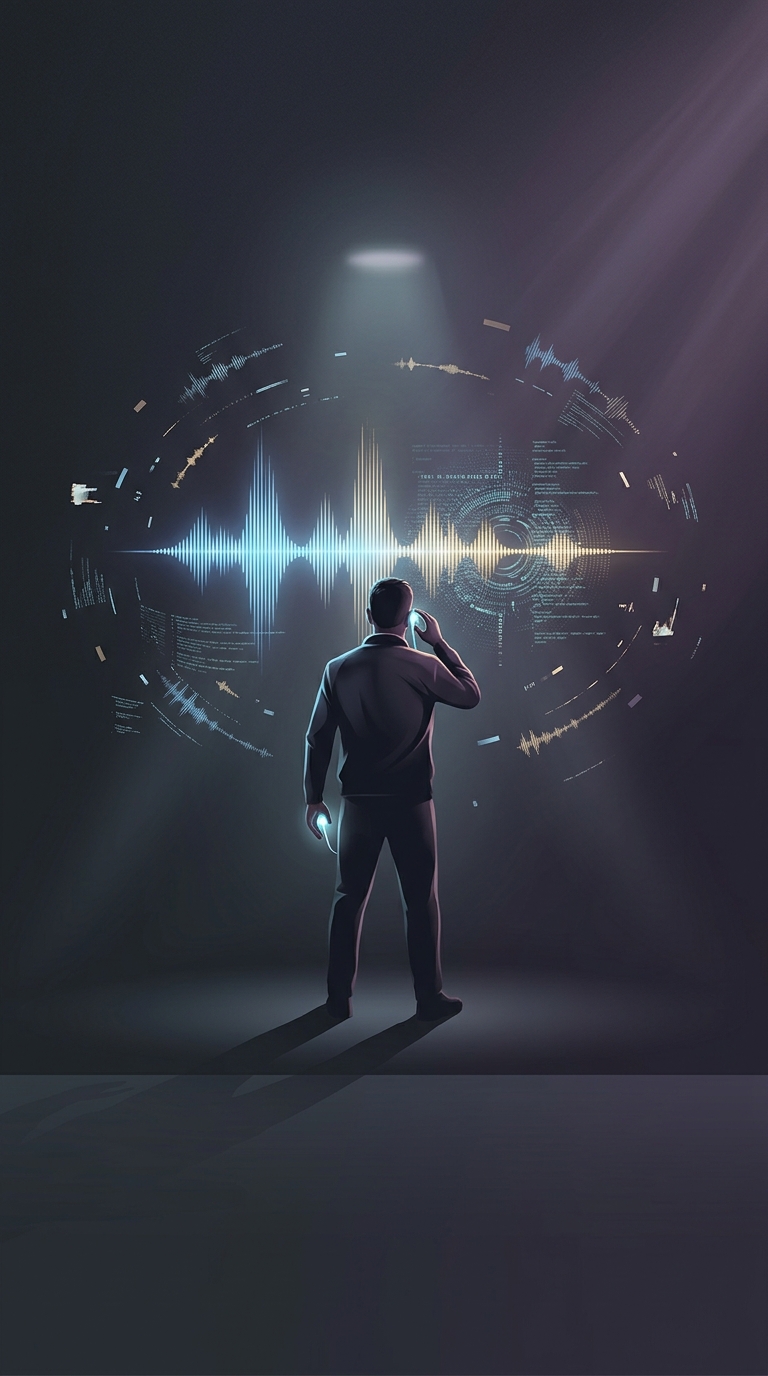
There is no single minimum: it depends on the voice-cloning system and what “successful” means. Some modern models can capture a recognizable vocal identity from only a short, clean sample—sometimes just a few seconds. More audio usually gives a system a better chance to reproduce details such as accent, rhythm, and the way a speaker shapes certain sounds.
That does not mean a tiny clip guarantees a convincing impersonation. A sample with music, overlapping voices, or heavy background noise gives the model less useful information. And sounding broadly like someone is easier than reproducing their natural range of emotion, emphasis, and spontaneous speech.
Why a short sample can go so far
A cloning system does not need to learn a person’s entire voice from scratch. It can use a model trained on many speakers to supply general patterns of speech, then use the short sample to steer those patterns toward one person’s vocal characteristics. In effect, the sample identifies whose voice to approximate; the broader model helps produce words the person never recorded.
This is why a voice clip posted publicly can become more consequential than it seems. It may be enough to create a plausible-sounding imitation, even if it is not enough to reproduce every vocal nuance. A listener under pressure may not notice the difference—especially in a brief phone call.
Familiar sound is not proof of identity
The practical safeguard is to verify urgent requests through a separate channel, such as calling the person back at a number you already know. A familiar voice can be copied from surprisingly little audio; a familiar voice alone cannot confirm who is speaking.